


Cart
Your shopping cart is empty!
It's never too late to make things right :)


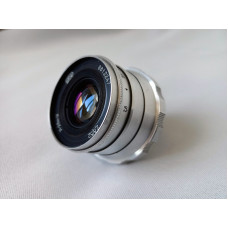
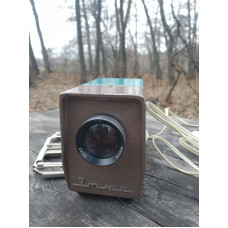
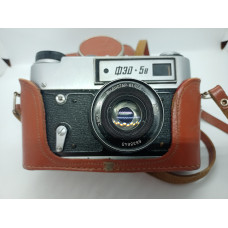
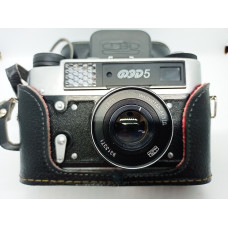
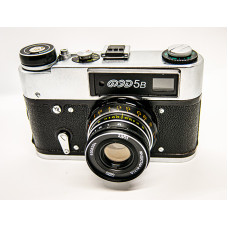
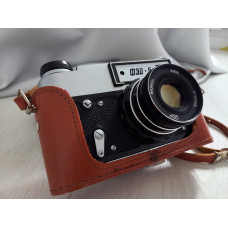
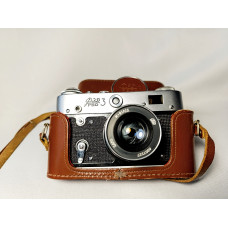

The FED camera holds a distinct place in photographic history. This Soviet rangefinder camera, known for its affordability and durability, enjoyed mass production from 1934 until the mid-1990s. Its story, however, is intertwined with the history of the factory that bore its name.
From Children's Commune to Camera Production:
The FED factory emerged from humble beginnings in 1927 as a children's labor commune in Kharkiv, Ukraine. Initially producing simple electrical machinery, the factory embarked on a pivotal shift in 1932 under new leadership. Inspired by the German Leica camera, the factory decided to create an affordable Soviet equivalent, marking the birth of the FED camera.
Evolution and Innovation:
The FED camera saw continuous improvements throughout its production run. From the FED 2 onwards, the rangefinder and viewfinder were combined, offering photographers enhanced functionality. Subsequent models like the FED-3 introduced slow shutter speeds and improved film advance mechanisms. Later iterations incorporated non-coupled exposure meters and reflected framelines, catering to the evolving needs of photographers.
The End of an Era:
The FED-5 marked the final chapter in the saga of FED rangefinder cameras. This versatile camera aimed to replace both the FED-3 and FED-4 models. Production ultimately came to a close in the mid-1990s, leaving behind a legacy of over 8.6 million cameras manufactured.
Beyond the FED 1:
For collectors seeking deeper knowledge, the FED 1 classification system offers a detailed breakdown of various FED 1 models. This system, created by collectors due to the absence of official designations, provides valuable information for identifying specific camera types.
The FED camera's story is one of innovation, adaptation, and enduring legacy. It serves as a testament to the evolution of Soviet photography and continues to captivate collectors and enthusiasts worldwide.


