


Cart
Your shopping cart is empty!
It's never too late to make things right :)


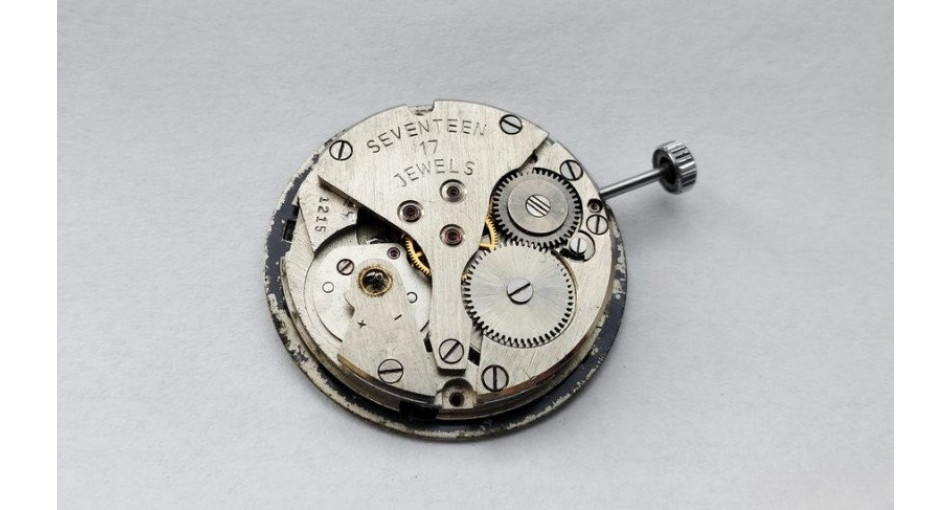
"In the realm of Soviet watchmaking, true beauty lies in purposeful engineering..."
- From a watchmaker's notebook
The Poljot watch factory holds a distinguished place in the pantheon of Soviet horology. While collectors often gravitate toward their celebrated complications - the mechanical alarm "Signal" caliber 2612 or the legendary "Sturmanskie" chronograph housing the 3133 movement - today we explore a more humble yet equally significant member of the Poljot family. The 17-jewel movement we'll examine represents the backbone of everyday Soviet timekeeping - reliable, serviceable, and engineered with surprising sophistication.
This comprehensive guide serves dual purposes: introducing the movement's technical architecture and providing a detailed service procedure for fellow enthusiasts. Our focus extends beyond mere disassembly and reassembly - we'll explore the engineering philosophy that made these movements so successful and share practical maintenance techniques developed through decades of experience. So let us embark on this journey through Soviet mechanical excellence!
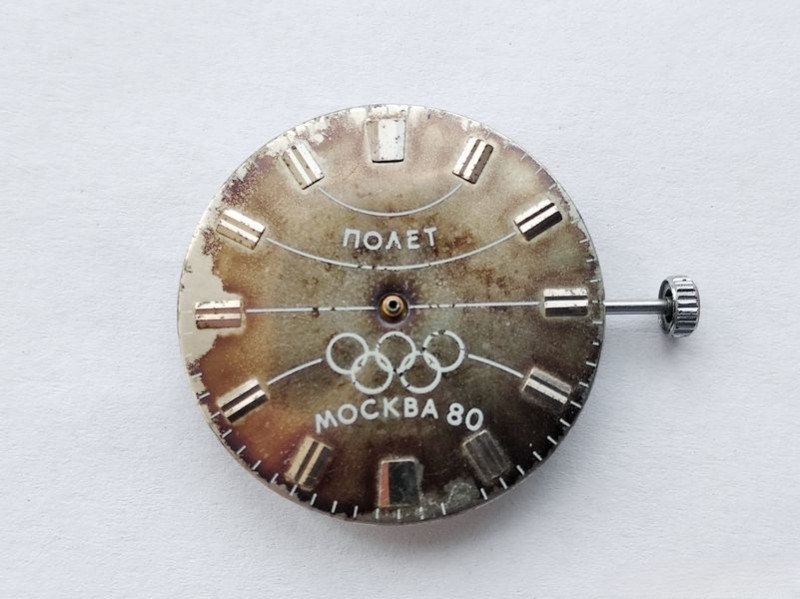
Before us lies the Poljot caliber 2609, equipped with 17 jewels. This particular specimen has served faithfully as a donor movement in my workshop. While its balance assembly has already found new purpose in another restoration project, the remaining mechanism provides an excellent educational example. What makes this specific movement particularly noteworthy is its commemorative nature - these pieces were manufactured to celebrate the 1980 Moscow Olympic Games, a moment of tremendous national pride for the Soviet Union.
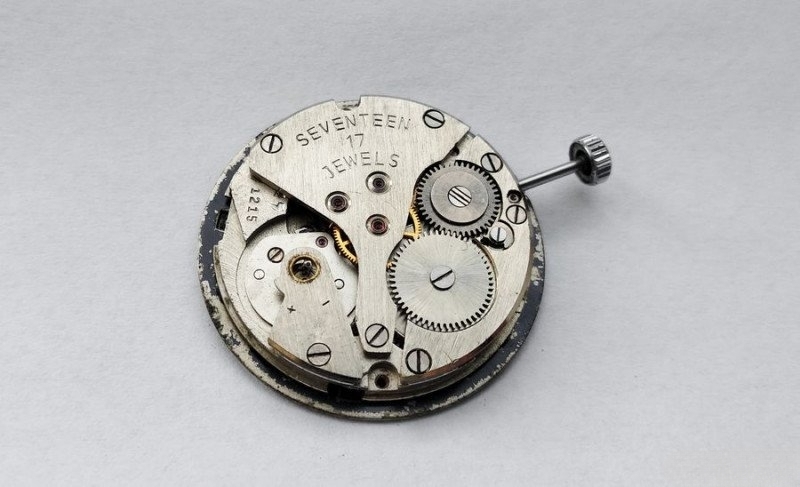
Examining the movement from its reverse side reveals the fundamental architecture. The winding mechanism dominates this view - the crown wheel meshes with the ratchet wheel, while the substantial gear train bridge spans across the movement. The jewel count visible in the bridge confirms it supports three wheels, typical for this caliber family. Note the robust construction throughout - these movements were built to endure decades of daily use.
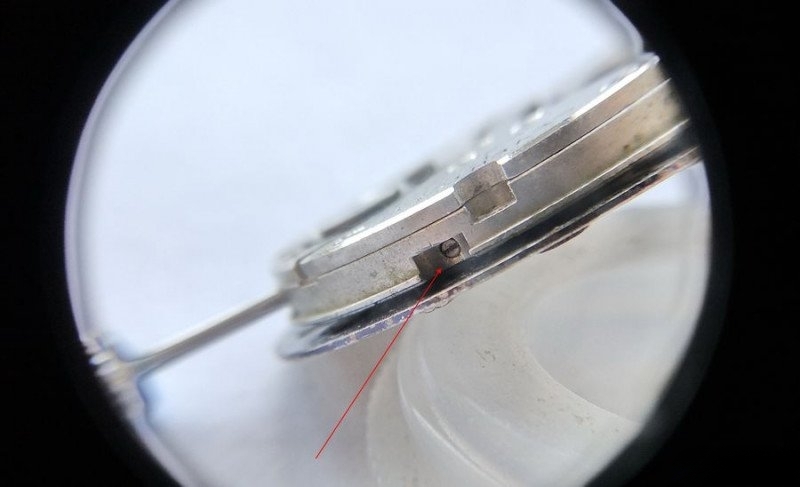
Our journey into the movement's interior begins with these screws positioned around the main plate's periphery. These secure the dial feet and must be carefully loosened to prevent damaging the dial during removal. Soviet dial feet often differ in positioning from Swiss standards, making proper technique essential.
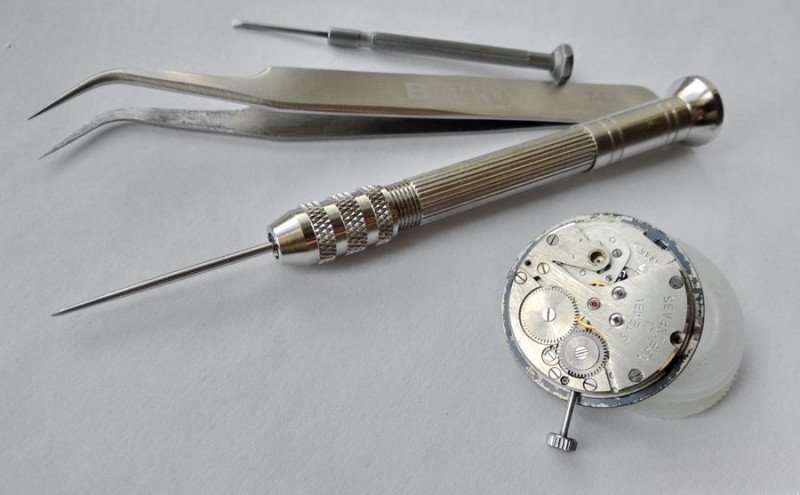
Quality tools transform watchmaking from frustration to pleasure. Here we see the essential instruments for Soviet movement service: properly fitted screwdrivers, precision tweezers, and specialized pullers. Investment in proper tools pays dividends through reduced damage risk and improved efficiency.
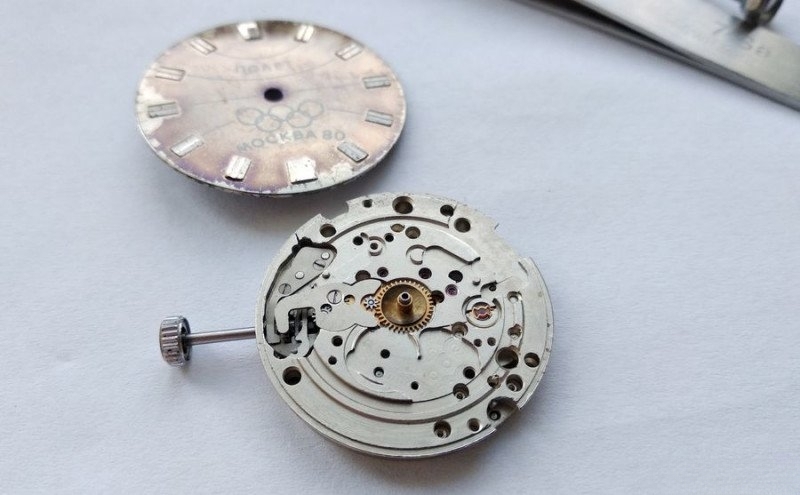
With the dial removed, the movement's clever design philosophy becomes immediately apparent. The main plate incorporates all necessary recesses and mounting positions for calendar mechanisms, despite this being a time-only variant. This "universal platform" approach demonstrates sophisticated manufacturing strategy - one base plate serves multiple complications, reducing tooling costs while maintaining parts compatibility. Additionally, the motion work benefits from a shaped protective cover, preventing wheel displacement during service - a thoughtful detail that speeds maintenance procedures.
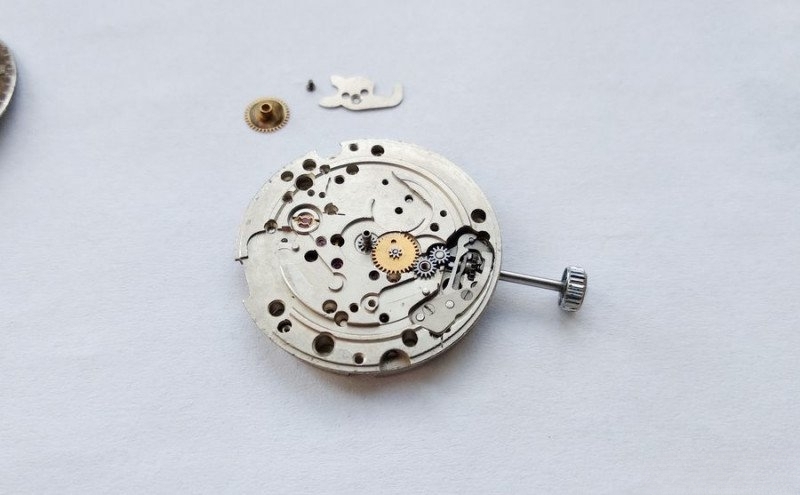
Lifting away the hour wheel with its tension washer and removing the protective cover reveals the motion work in detail. We observe two setting wheels and the intermediate wheel, all precisely positioned for smooth operation. The cannon pinion follows traditional construction principles with a friction fit on the center wheel post. This time-tested design works flawlessly for time-only movements and remains serviceable even in calendar variants, provided the calendar includes independent date correction. The apparent simplicity masks precise engineering - achieving correct friction requires maintaining exact tolerances during manufacture.
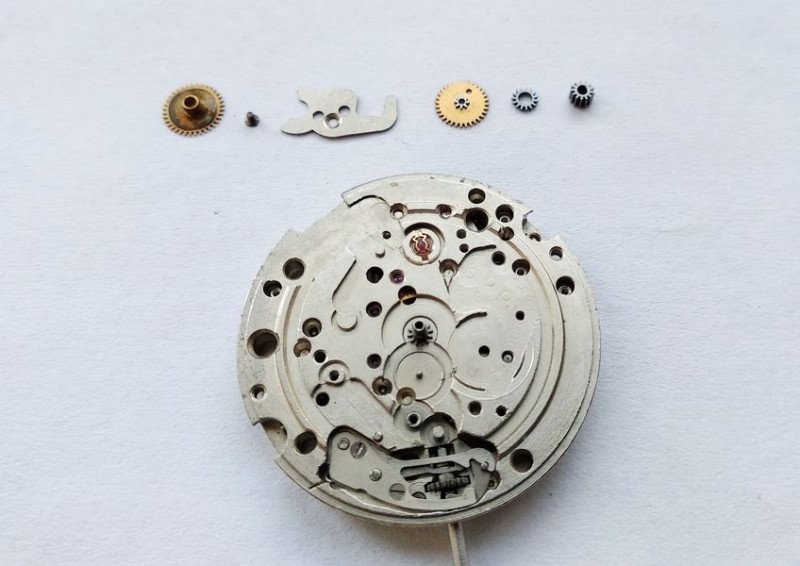
Systematic disassembly of the wheel train begins. Each component must be carefully removed and stored in sequence, ensuring trouble-free reassembly. Organization during disassembly saves time and prevents confusion later.
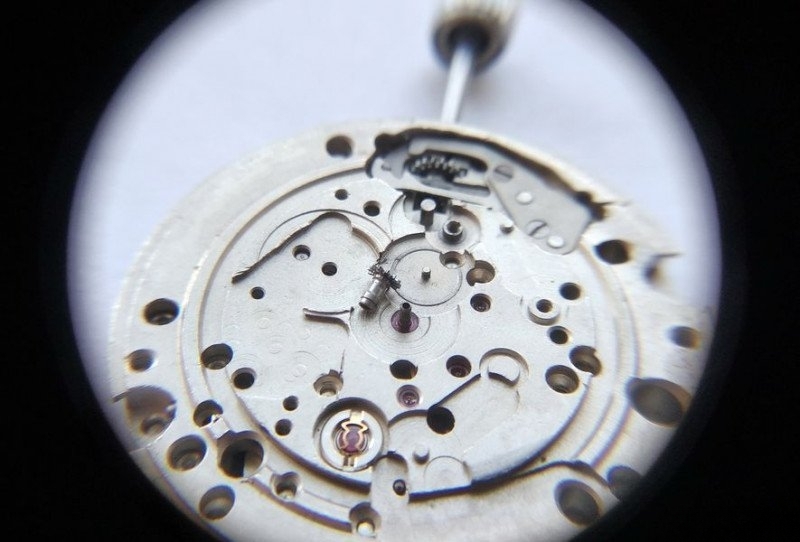
The cannon pinion demands special attention during removal. Using tweezers with curved tips, we work around the pinion's circumference, gradually releasing it from the center wheel post. Patience prevents damage - forcing this component risks bending the center wheel arbor or distorting the pinion itself.
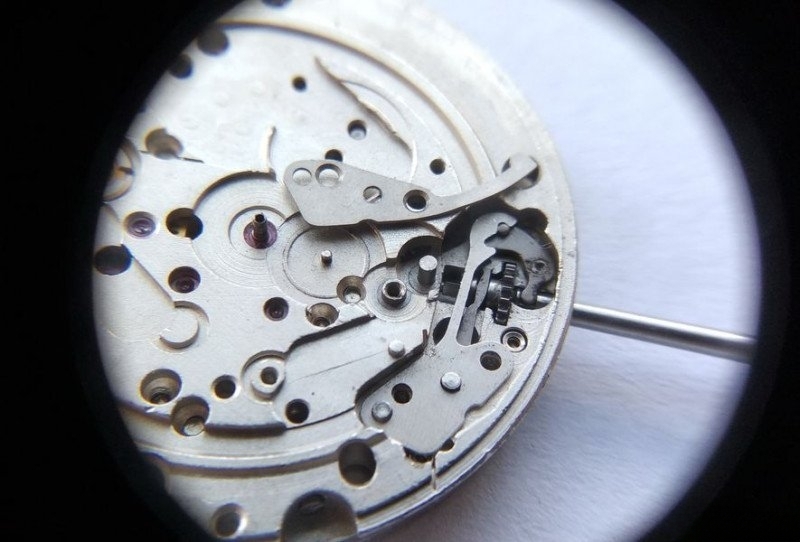
The keyless works reveal the first of several interesting engineering choices in this caliber. Unlike many contemporary movements, the Poljot 2609 employs a dual-spring system. The upper spring maintains constant tension on the setting lever - depressing the crown button lifts this lever, allowing stem removal. The lower spring functions as a detent, providing positive positioning for winding and hand-setting modes. This redundant design ensures reliable operation even as components wear over decades of use.
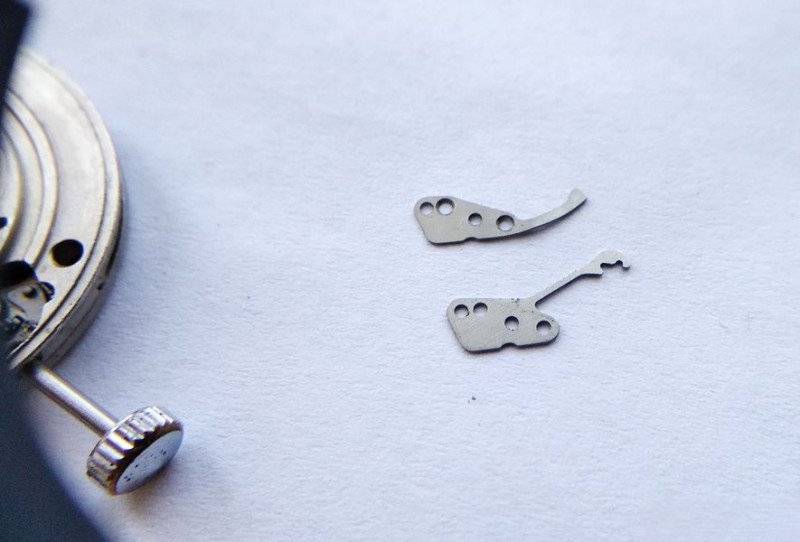
With both springs carefully removed, we gain access to the underlying components...
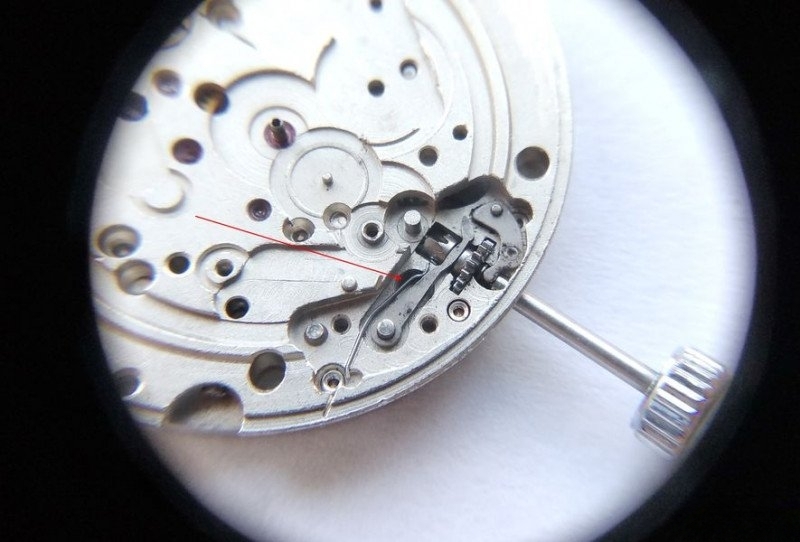
Here we encounter another distinctive feature - rather than employing the conventional U-shaped setting lever spring common to many movements, Poljot engineers specified a straight spring seated in a precisely milled channel. While this requires additional machining operations during manufacture, the design offers significant advantages: the spring resists accidental displacement during service, maintains more consistent tension throughout its range, and simplifies replacement when necessary.
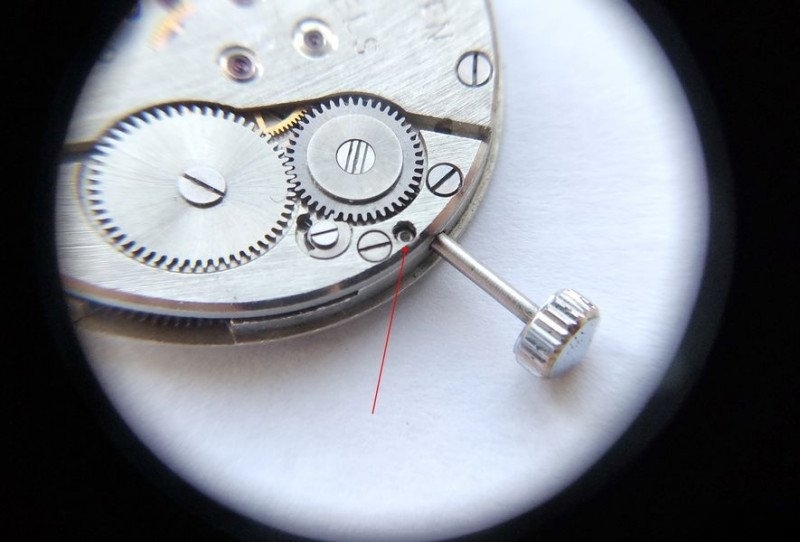
The stem release button occupies its position here, easily accessible when needed.
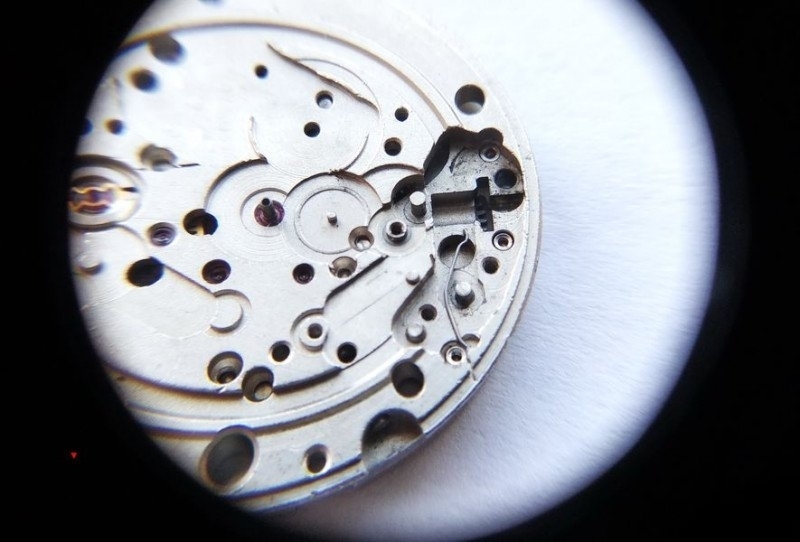
The spring rests securely in its milled channel. During removal, it lifts out easily yet remains captive - eliminating the frustrating spring launches that plague other movement designs. This thoughtful engineering detail exemplifies the practical approach Soviet designers brought to movement architecture.
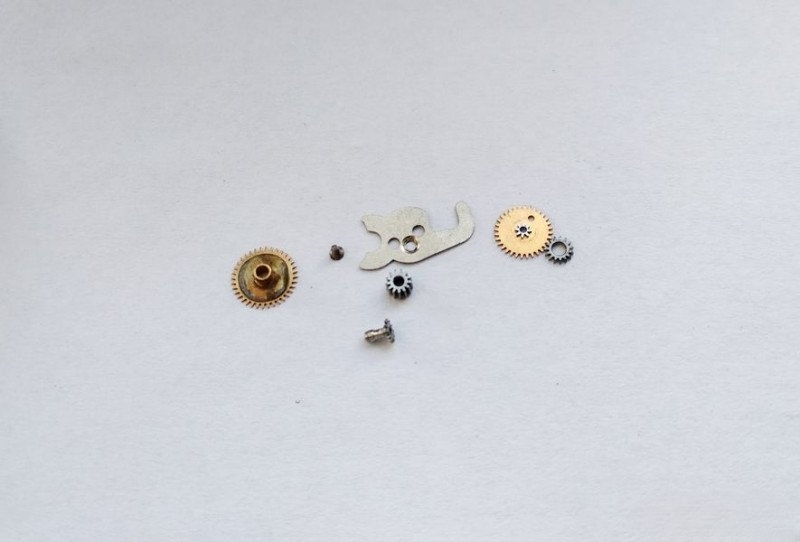
All components of the setting mechanism laid out systematically for inspection and cleaning.
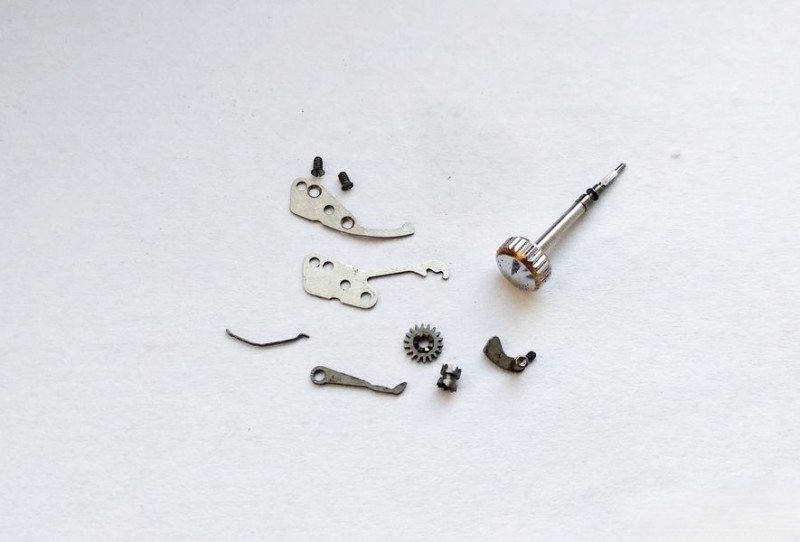
The complete keyless works assembly showcases Poljot's unique approach to this critical subsystem. Each component reflects purposeful design aimed at long-term reliability rather than manufacturing economy.
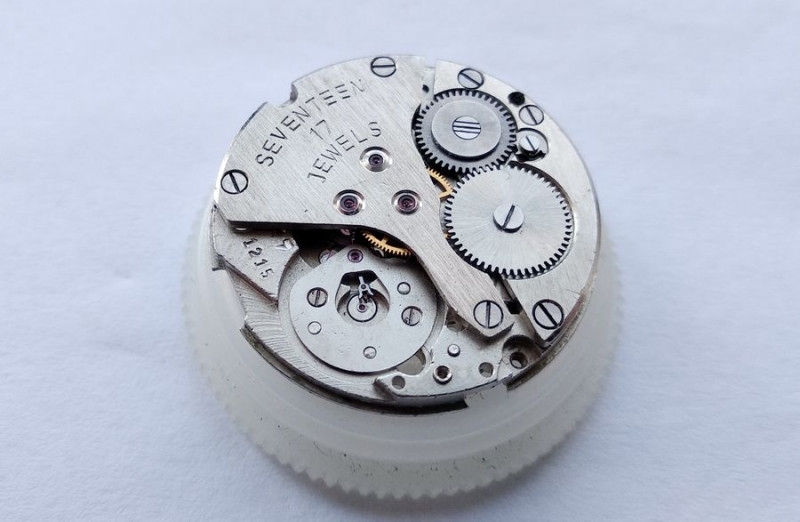
Moving to the regulating components, we examine where the balance assembly would normally reside. While absent in this donor movement, the balance system typically features standard shock protection identical to that employed in Vostok, Raketa, and other Soviet calibers. This standardization across different factories represented intelligent central planning - technicians could transfer skills between brands, and parts availability improved dramatically. The consistency also reduced training costs and simplified field repairs.
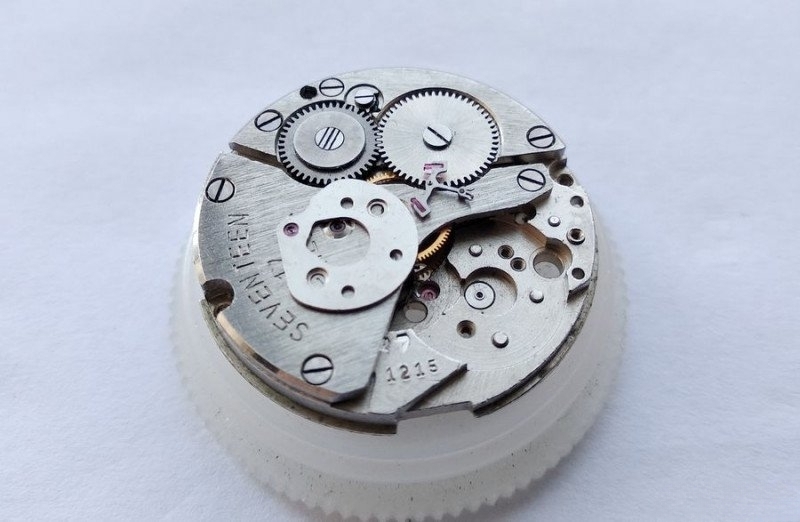
Disassembling the escapement reveals familiar territory for those experienced with Soviet movements. The pallet fork itself presents no unusual features, following conventional Swiss-inspired design principles. However, the bridge construction merits closer examination. This ring-shaped component locates precisely on three posts and secures with two screws, providing exceptional stability. This mounting system ensures consistent pallet stone depth regardless of manufacturing tolerances - a critical factor in maintaining reliable timekeeping across production batches.
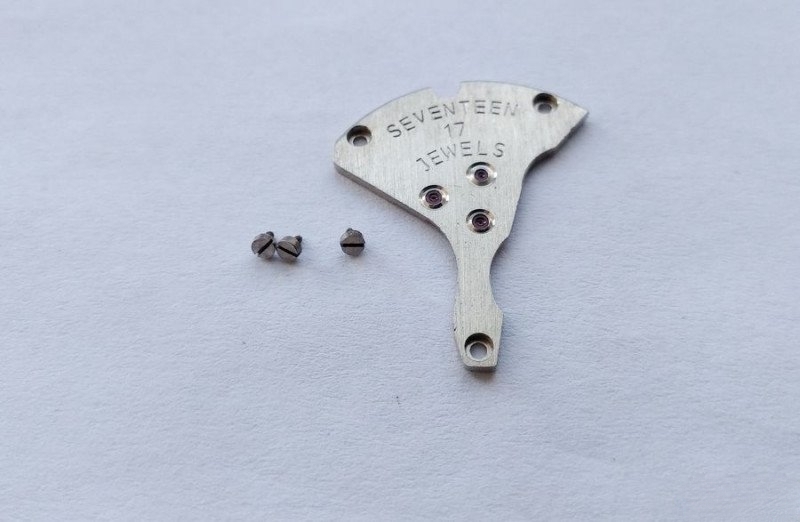
We now address the substantial gear train bridge. This component spans from one side of the movement to the other, reminiscent of the design philosophy employed in Raketa's 2609.HA caliber. Three screws secure this robust bridge to the main plate. Of particular interest is the jewel mounting technique - observe how each jewel is surrounded by a circular recess at its pressing point. This seemingly minor detail yields major benefits: oil migration from the jewel's reservoir becomes virtually impossible, maintaining cleaner running conditions for extended periods. The movement stays cleaner longer, extending service intervals significantly.
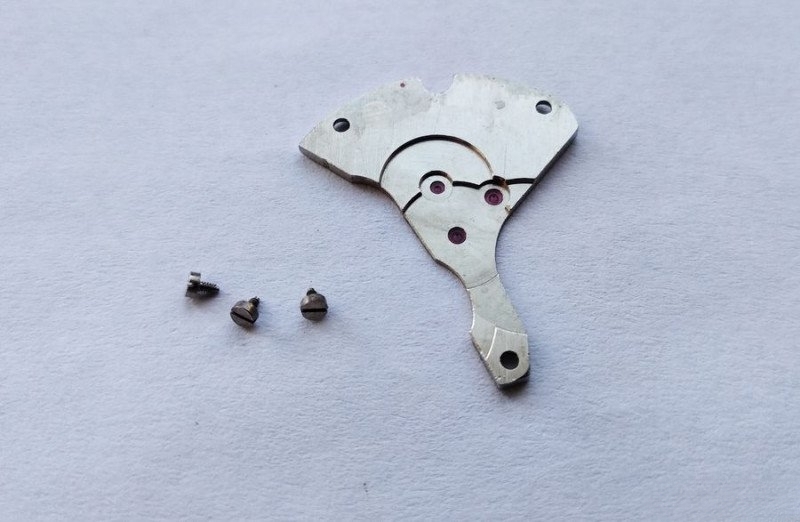
The bridge's underside reveals the substantial screw posts - another indicator of the movement's robust construction philosophy. Note also the quality of the machining and finishing, impressive for a movement intended for everyday use rather than luxury applications.

With the bridge removed, we observe the compact yet efficient wheel train layout. Soviet engineers excelled at space-efficient design, fitting maximum functionality into minimal volume.
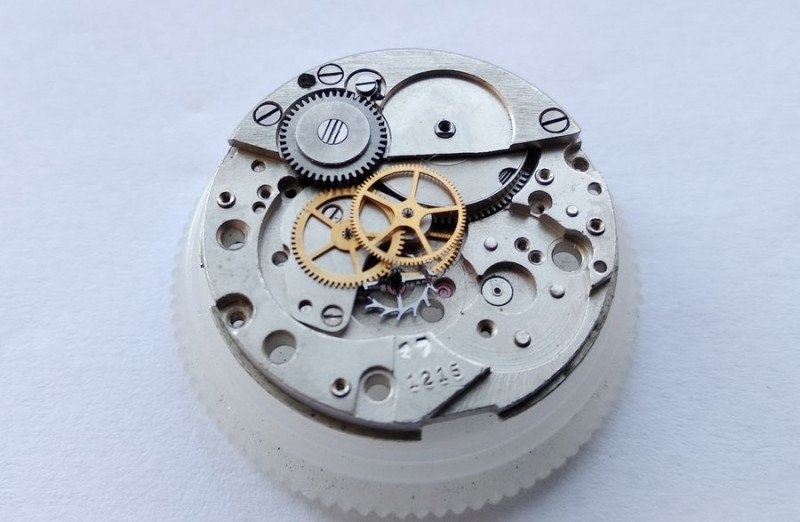
An interesting sequencing requirement becomes apparent - extracting the escape wheel demands prior removal of the mainspring barrel. This interdependency speaks to the movement's tightly integrated design, where every cubic millimeter serves a purpose.
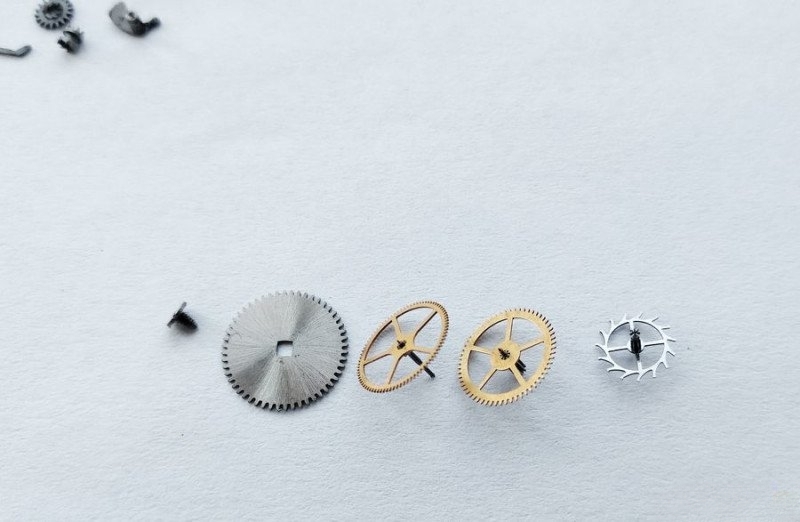
Here we see the complete going train - escape wheel, third wheel, and fourth wheel - alongside the mainspring barrel. Each component displays commendable finishing quality considering the movement's intended market position. The wheels run in jeweled bearings throughout, ensuring minimal friction and extended service life.
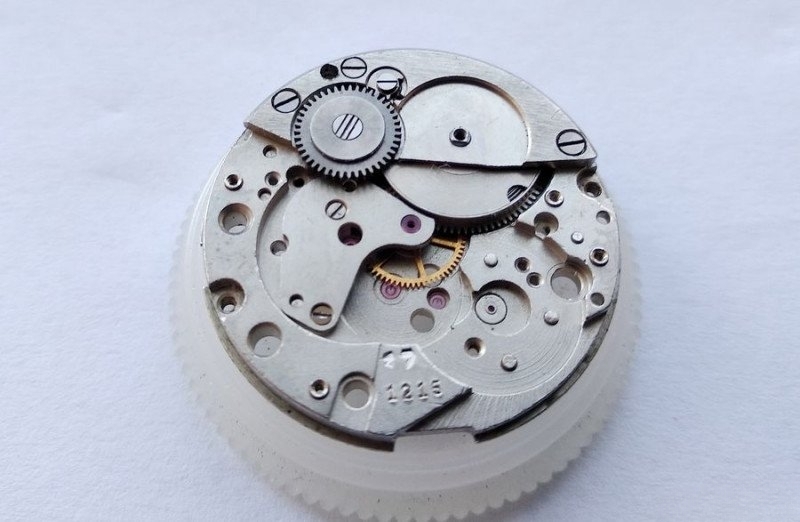
Progressing deeper into the movement requires removing the barrel bridge and crown wheel assembly. These components must be carefully lifted away to avoid damaging the delicate wheel teeth below.
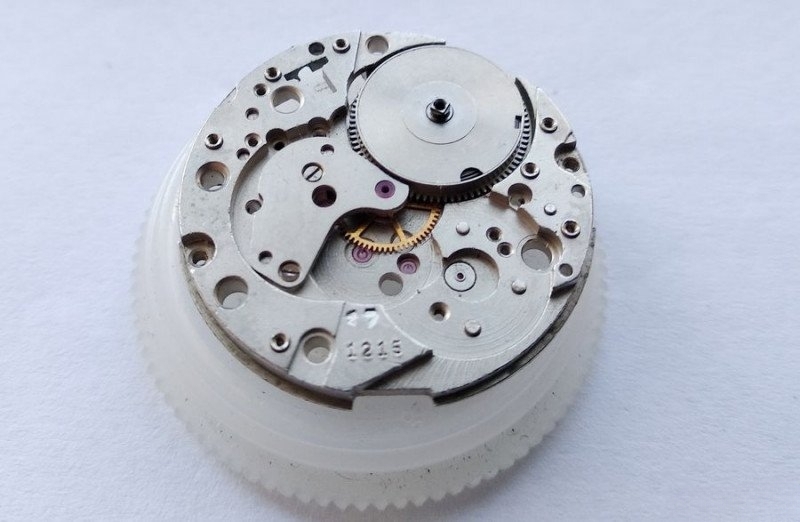
With these obstacles cleared, we gain access to the movement's heart...
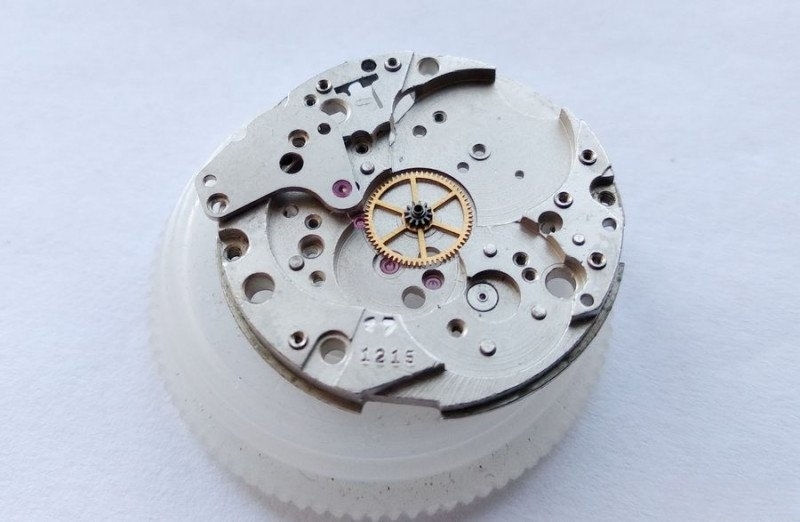
Now we can extract the mainspring barrel, followed by the center wheel bridge, and finally the center wheel itself. This completes our systematic disassembly of the power train.

The movement now lies completely disassembled, each component ready for cleaning and inspection. This organized arrangement facilitates both cleaning efficiency and proper reassembly sequence. Take note of this layout - photographing your disassembly provides invaluable reference during reassembly, especially for those new to Soviet movements.
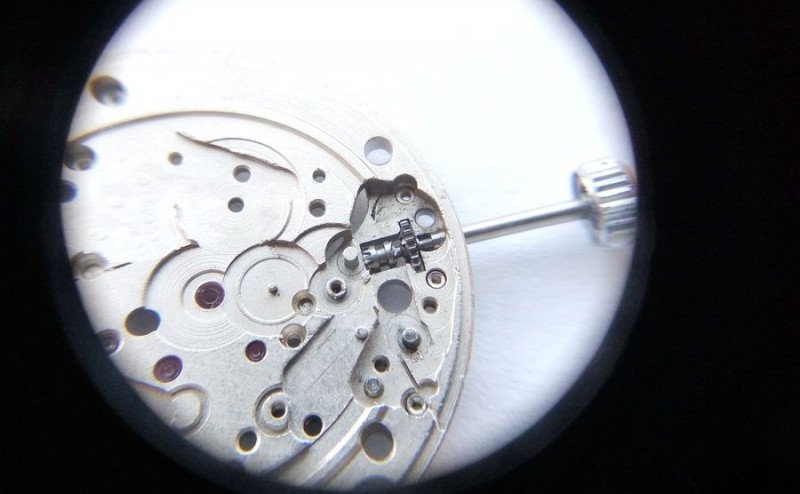
Reassembly commences, as with most movements, with the keyless works. We begin by sliding the winding pinion and clutch onto the stem. These components must move freely while maintaining proper engagement throughout their range of motion. Any binding or excessive play requires attention before proceeding.
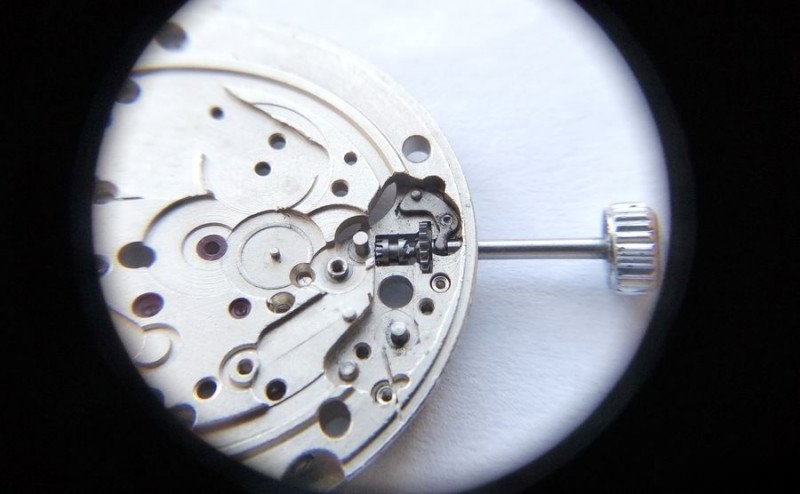
The setting lever drops into position, followed by installation of its actuating components. Proper orientation ensures smooth transition between winding and setting positions.

Here's that distinctive straight setting lever spring we examined earlier, ready for installation.
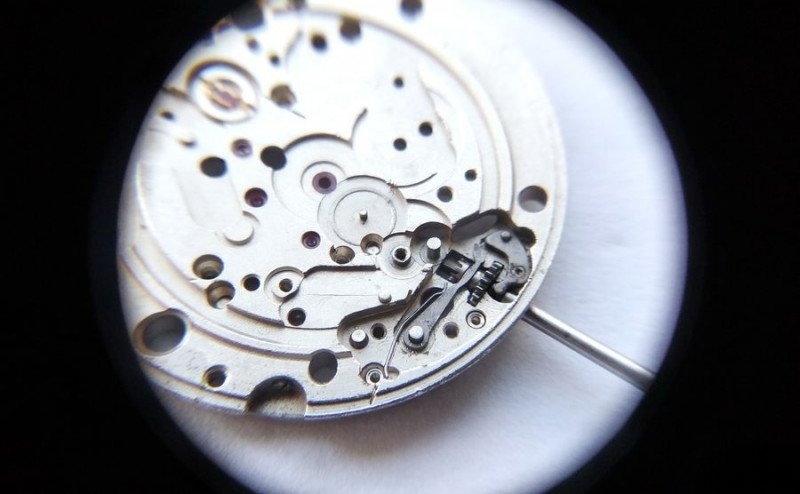
Installing the setting lever spring requires careful positioning within its channel. The spring must seat fully while maintaining proper contact with the setting lever throughout its range of motion. Test the action before proceeding - the crown should snap positively between positions without binding.
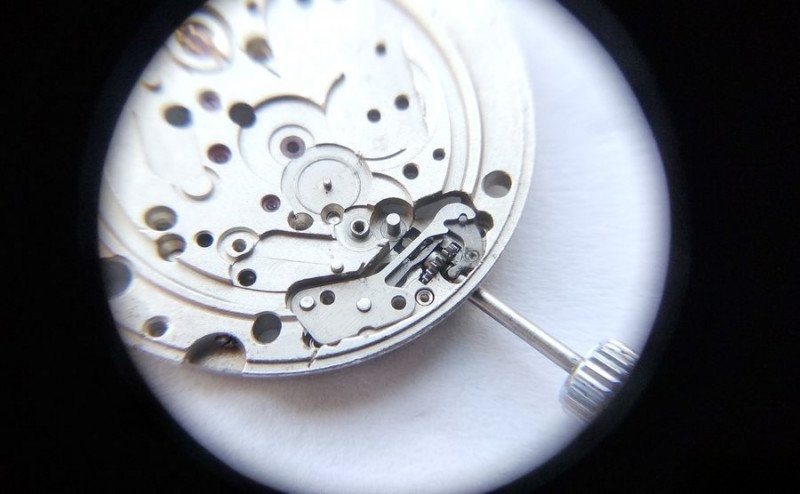
Before completing the keyless works assembly, we must address a critical sequence requirement. The center wheel and cannon pinion must be installed before the intermediate wheel. This order is essential - attempting to install the cannon pinion after the intermediate wheel risks catastrophic damage. The force required for proper cannon pinion installation would certainly distort or break the delicate intermediate wheel teeth.
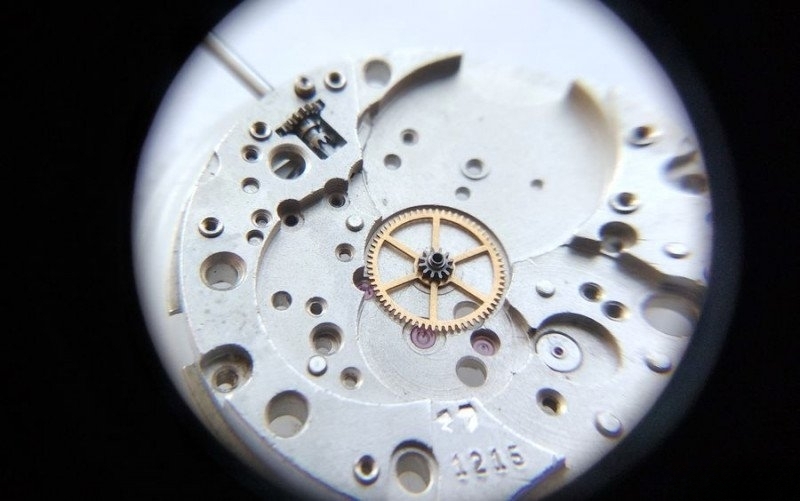
Turning the movement over, we position the center wheel carefully in its jeweled bearings. Ensure the wheel sits fully home with proper endshake before proceeding.
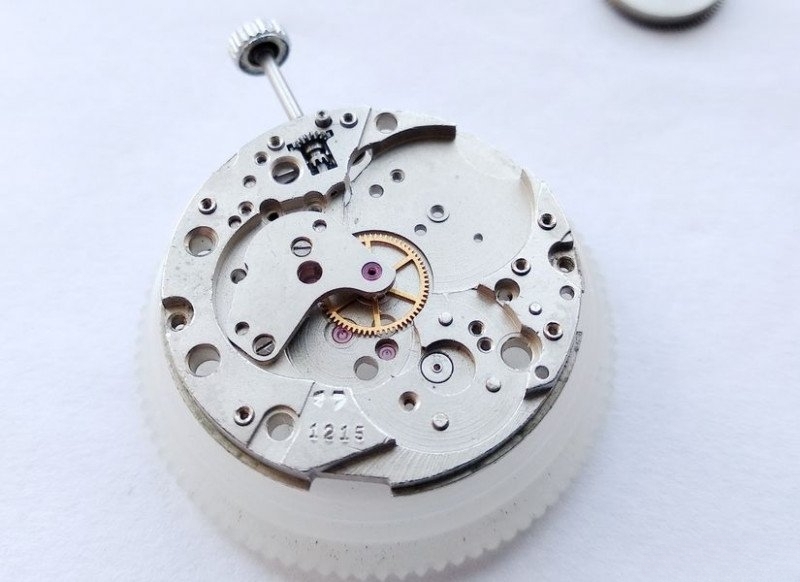
The center wheel bridge slides into position and secures with two screws. Unlike some Soviet calibers employing double-sided bridges, this design mounts only from the movement side. However, the bridge's substantial thickness and precise locating posts ensure absolute stability. Tighten the screws evenly to avoid distorting the bridge.
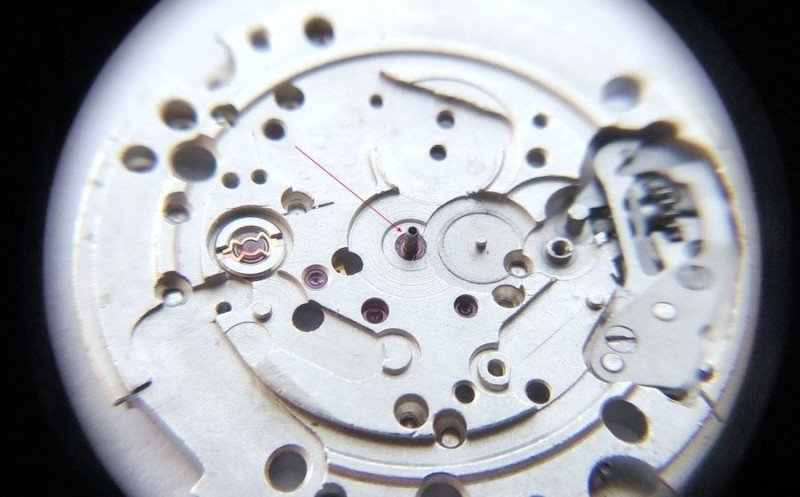
With the bridge properly secured, the center wheel post now protrudes through the main plate on the dial side, ready to receive the cannon pinion.
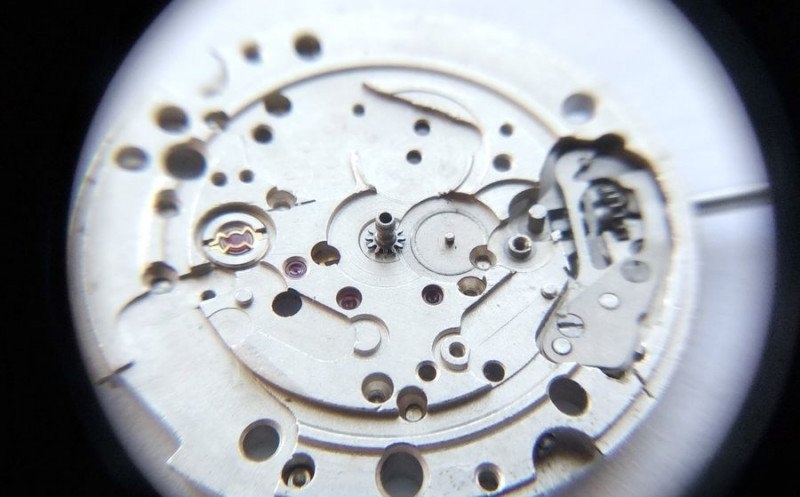
Place the movement on a solid surface with the center wheel jewel fully supported. Using steady, controlled pressure, push the cannon pinion onto the center post. This operation demands confidence and precision - insufficient pressure results in poor hand stability, while excessive force risks damaging the delicate center wheel pivots. The pinion should seat with firm resistance, indicating proper friction for reliable hand setting.
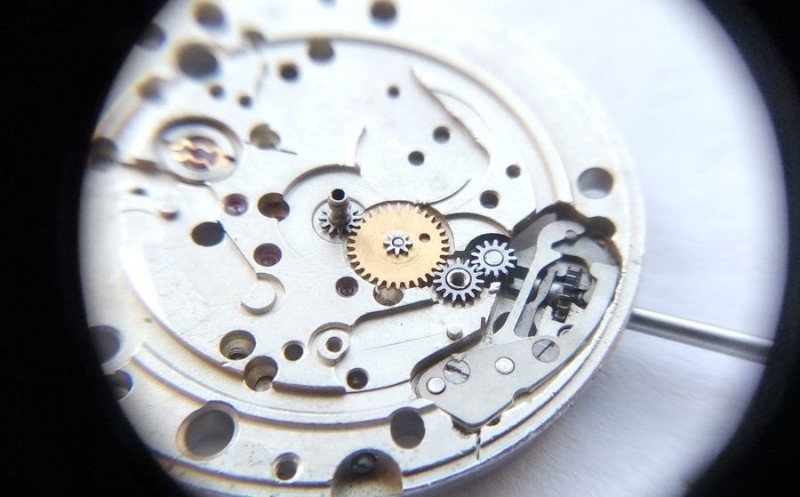
With the cannon pinion safely installed, we can now complete the motion work assembly. Each wheel must mesh properly with its neighbors while maintaining appropriate endshake.
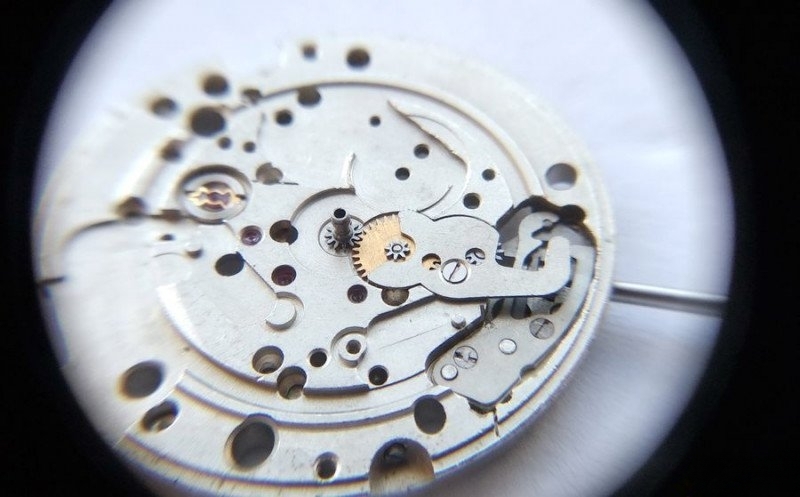
The protective cover plate completes the dial-side assembly. This component not only prevents wheel displacement during handling but also provides a clean, professional appearance. Ensure all wheels rotate freely before securing the cover plate screws.
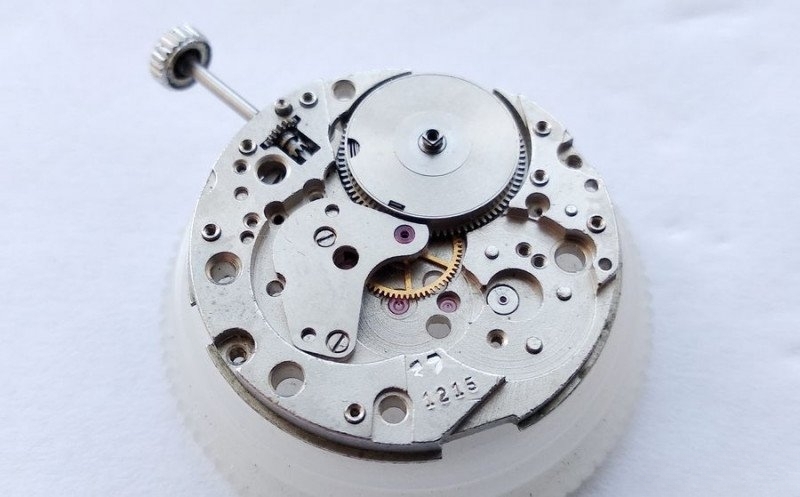
Returning to the movement side, we install the mainspring barrel. Check that the arbor rotates smoothly and the barrel teeth mesh properly with the center wheel pinion.
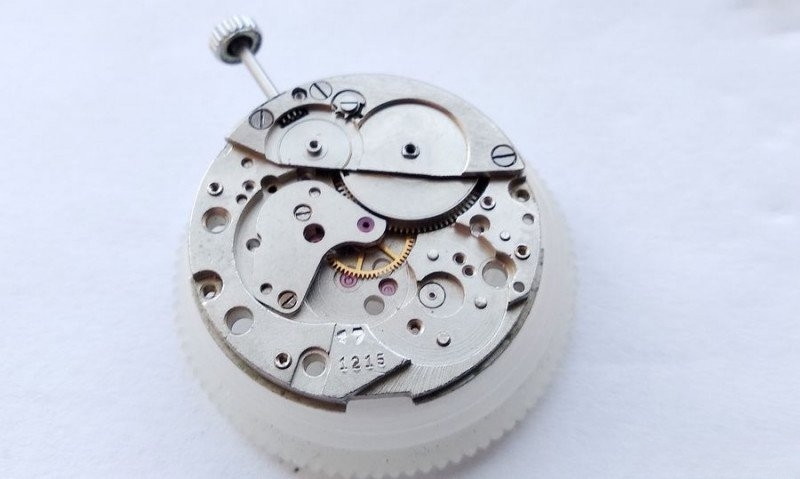
The barrel bridge precisely locates the barrel arbor while allowing free rotation. Note the absence of jeweled bearings here - a cost-saving measure that requires careful attention during service to ensure longevity.
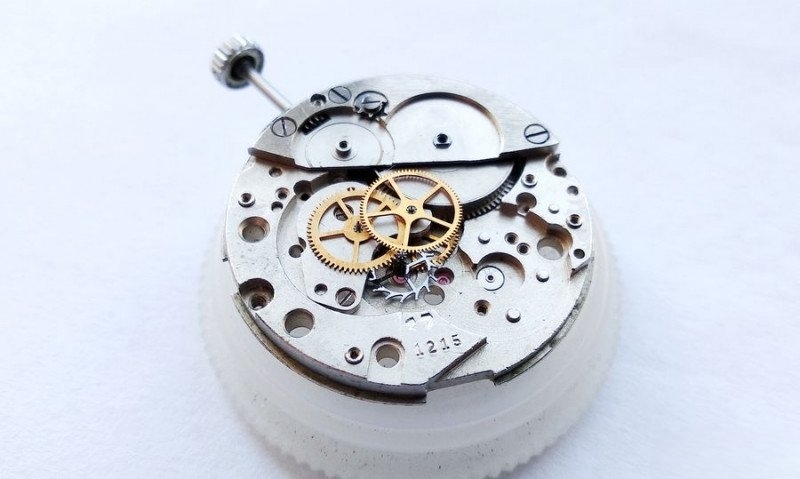
Now comes the delicate process of installing the going train wheels. Each must be placed in proper sequence while maintaining correct meshing relationships. Take time here - rushing invites damaged pivots or bent wheels.
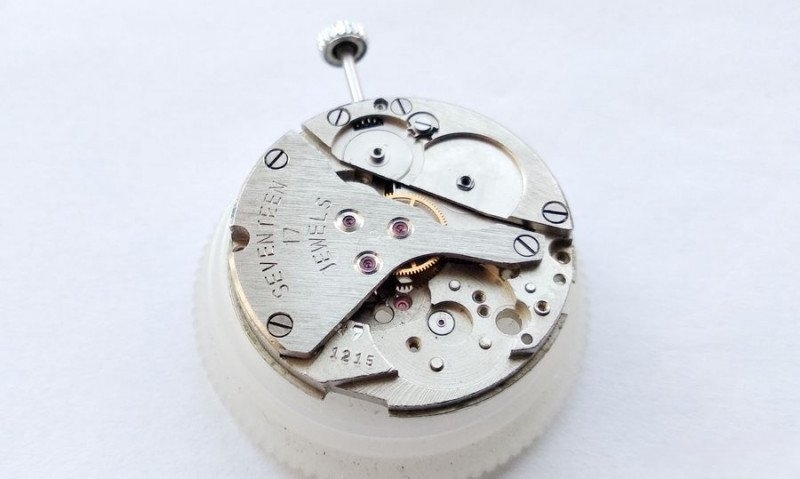
The gear train bridge should drop into place with minimal effort once all pivots align with their respective jewels. If resistance is encountered, stop immediately and verify pivot positions rather than forcing the bridge. Gentle manipulation of the wheels usually achieves proper alignment. The ease of assembly when components are correctly positioned demonstrates the movement's thoughtful design.
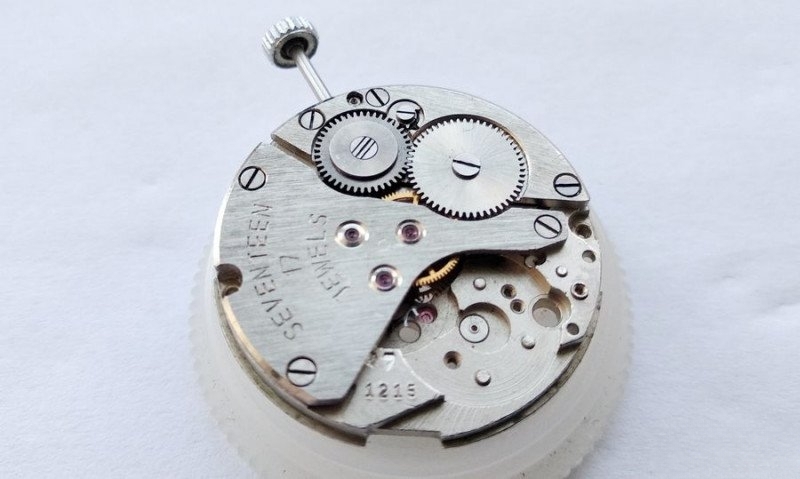
Installing the crown wheel and ratchet wheel completes the winding mechanism. Pay special attention to the crown wheel screw - those three slots on the screw head indicate left-hand threads. This detail, while clearly marked, catches many inexperienced technicians. Turn counterclockwise to tighten, clockwise to loosen. The reverse threading prevents the screw from working loose during normal winding operation.
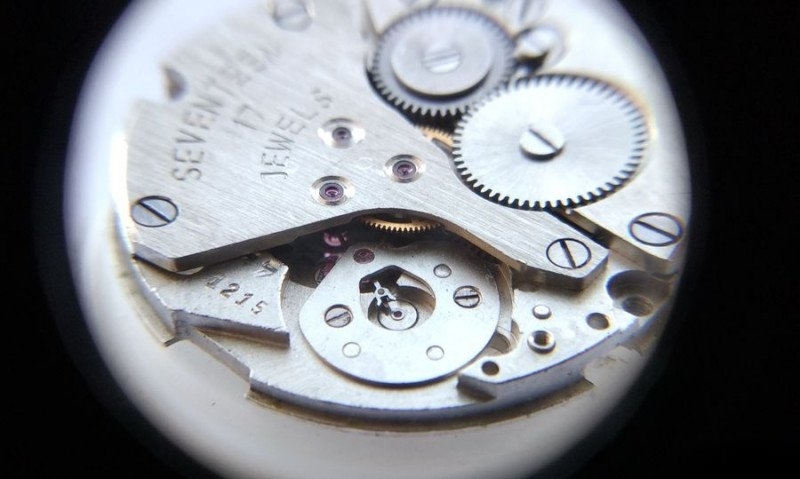
The pallet fork assembly requires delicate handling during installation. Ensure both pivots enter their jewels simultaneously without any forcing. If resistance is encountered, remove the fork and inspect for bent pivots or foreign material in the jewels. The fork should drop into place with minimal guidance when properly aligned. Once seated, check for free movement throughout its range - any binding indicates misalignment requiring immediate correction.
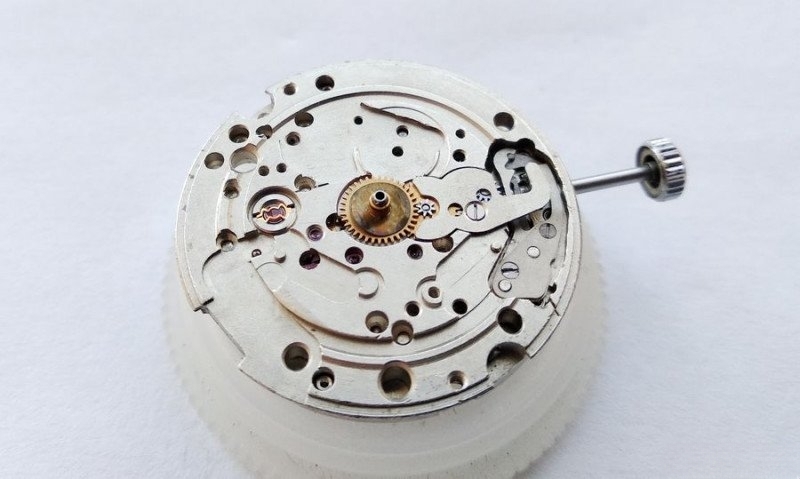
With the escapement installed, our movement stands mechanically complete. At this stage, preliminary testing can verify proper function before lubrication. Wind the mainspring slightly and observe the escapement action - the balance wheel would normally regulate this motion, but even without it, you can verify proper wheel train freedom and pallet fork operation.
Having completed our detailed examination, several distinctive characteristics of the Poljot 2609 emerge. The unique keyless works, while requiring additional manufacturing complexity, provides superior long-term reliability. The universal main plate design demonstrates forward-thinking engineering, allowing one base architecture to support multiple complications without compromise.
Comparing this movement to its contemporaries reveals interesting relationships. The similarity to Raketa's 2609.HA is unmistakable, suggesting either common design heritage or deliberate standardization. More intriguingly, the movement shares substantial DNA with Chinese standard movements - not coincidental given the technical cooperation between Soviet and Chinese industries during certain historical periods.
However, cost optimizations distinguish this caliber from premium Soviet offerings. The absence of jeweled barrel bearings, while reducing manufacturing cost, increases wear at these critical friction points. Similarly, the escape wheel lacks shock protection found in higher-grade movements. These economies make sense for an everyday watch movement - with proper maintenance, the design provides decades of reliable service.
Proper lubrication transforms a mechanically sound movement into a reliable timekeeper. The Poljot 2609's specific design characteristics demand tailored lubrication approaches differing from generic Swiss protocols. Understanding these requirements ensures optimal performance and extended service intervals.
The non-jeweled barrel arbor bearings require special attention. Apply high-quality mainspring grease specifically formulated for high-pressure applications. Coverage must be complete but not excessive - excess lubricant attracts contamination and accelerates wear. Some technicians apply a thin epilame coating to the main plate and bridge holes before lubrication, improving oil retention in these critical areas.
The unique oil retention design surrounding the gear train jewels - those circular recesses we noted - permits slightly more generous oiling than typical movements. These recesses function as reservoirs, maintaining consistent lubrication over extended periods. However, this doesn't license careless over-oiling. Use quality synthetic oils applied with precision - automatic oilers provide ideal consistency, though skilled hand oiling achieves equal results.
Pallet stone lubrication demands exceptional care. Soviet pallet stones often exhibit different surface characteristics than Swiss equivalents, affecting oil adhesion. Begin with minimal application, adding incrementally while monitoring amplitude. The correct amount produces smooth impulse without flooding - excess oil here causes more problems than insufficient lubrication.
Years of servicing these movements reveal recurring issues and proven solutions. Understanding these patterns enables proactive maintenance and efficient troubleshooting when problems arise.
Cannon pinion tension represents the most frequent service issue. The friction fit allowing hand setting gradually weakens through use, eventually permitting hand slippage during normal operation. Before replacing the pinion, attempt restoration: remove it carefully, place it on an appropriate stake, and use a cannon pinion closing tool to compress it slightly. Work incrementally, testing frequently - excessive tightening makes hand setting difficult and risks damaging the center wheel arbor.
The distinctive keyless works occasionally develop their own issues. The straight setting lever spring can lose tension over time, resulting in imprecise crown positions. Unlike conventional U-springs that permit careful reshaping, this design requires replacement when worn. Fortunately, the simple geometry enables fabrication by skilled technicians with appropriate spring steel stock and basic tools.
Power reserve degradation often stems from mainspring condition rather than gear train wear. Original blue steel mainsprings suffer from permanent set and corrosion after decades of service. Modern white alloy replacements offer superior performance and consistency. When replacing mainsprings, verify dimensions precisely - incorrect springs cause barrel knocking, reduced power reserve, or accelerated wear.
Understanding the Poljot 2609 requires appreciating its cultural context beyond mere technical specifications. These movements emerged during a unique period of Soviet industrial development, reflecting broader societal values of functionality, accessibility, and collective achievement. Unlike Western luxury watches emphasizing individual status, Soviet timepieces embodied egalitarian ideals - reliable timekeeping for every citizen.
The Olympic commemorative version examined today represents a particular moment of national pride. The 1980 Moscow Olympics marked the Soviet Union's attempt to showcase its achievements on the world stage. Watches produced for this event carried special significance, worn by citizens as symbols of participation in historic events. This context transforms simple mechanisms into cultural artifacts worthy of preservation.
Factory workers who assembled these movements likely never imagined their creations being carefully restored decades later by collectors worldwide. Yet their precision work endures, testament to training systems that produced skilled technicians despite economic constraints. Each well-finished component reflects individual pride in craftsmanship transcending political systems.
As we conclude this comprehensive exploration of the Poljot 2609, reflection on larger themes seems appropriate. These humble movements, produced in massive quantities for everyday use, now receive careful attention typically reserved for haute horlogerie. This transformation speaks to changing values and growing appreciation for functional design.
The engineering philosophy embodied in these movements - prioritizing reliability, serviceability, and honest functionality - offers lessons for our disposable age. While modern technology provides conveniences unimaginable to Soviet designers, it often lacks the repairability and longevity these mechanical movements demonstrate daily.
Through maintaining these movements, we preserve more than functional timepieces. We maintain connections to a fascinating period of human achievement, when mechanical ingenuity solved fundamental challenges without electronic assistance. We honor the unknown workers who assembled these mechanisms with pride despite challenging circumstances. We ensure future generations can experience mechanical timekeeping's tactile satisfaction.
The Poljot 2609 may lack the prestige of Swiss luxury calibers or the innovation of modern haute horlogerie. Yet it succeeds brilliantly at its intended purpose - providing reliable timekeeping for the common citizen. This democratic approach to horology, making quality mechanical movements accessible to all, deserves recognition and preservation.
Whether you're beginning your journey into Soviet horology or adding to years of experience, I hope this guide provides both practical knowledge and renewed appreciation for these remarkable mechanisms. Each tick represents continuity across decades, each service ensures that continuity extends forward. In our digital world of planned obsolescence, such permanence becomes increasingly precious.
May your Poljot movements continue their steady progress through time, marking moments both mundane and significant with mechanical precision. Through careful service and respectful preservation, these humble mechanisms will outlive us all - the ultimate testament to thoughtful engineering and the enduring appeal of mechanical craftsmanship.
Happy servicing, and may your adventures in Soviet horology bring the same satisfaction they've provided me over countless hours at the bench. These movements reward patience with reliability, care with longevity, and study with deep appreciation for human ingenuity applied to timekeeping's fundamental challenge.


