


Cart
Your shopping cart is empty!
It's never too late to make things right :)


Unlike the West, the Soviet Union started its photographic journey from scratch. Prior to the revolution, Russia lacked a domestic camera industry and relied solely on imports for cameras, film, and accessories. Its nascent optics industry was primarily run by foreigners.
Unlike the West, the Soviet Union started its photographic journey from scratch. Prior to the revolution, Russia lacked a domestic camera industry and relied solely on imports for cameras, film, and accessories. Its nascent optics industry was primarily run by foreigners.
The early 1920s and 1930s, a period marked by experimentation and social unrest following the 1917 revolution and subsequent civil war, witnessed the birth of the Soviet camera industry. This coincided with the formation of the USSR in 1923, Lenin's passing in 1924, and Stalin's rise to power.
The first Soviet cameras emerged under Stalin's ambitious plan for Russia's industrial and economic transformation. The country's first 35mm camera, the FED, was produced by the F.E. Dzerzhinsky Labour Commune in Kharkiv, then the capital of Ukraine. Initially meant to rehabilitate youth, the commune was established in memory of Felix Dzerzhinsky, the founder of the Soviet secret police. The man behind the commune's unique path, Anton Semyonovich Makarenko, found lasting fame not in photography but in the field of Soviet education. The story of the FED camera, in many ways, reflects the broader changes taking place within the country at the time.
The FED story starts in 1932-33 with a small batch of cameras directly copying the Leica I (A). These were the first of many Leica imitations by FED, making it one of the earliest surviving brands in 35mm photography.
A true turning point came in 1934 with the mass production of FED Leica II (D) copies. This camera marked two Soviet firsts: the first widely available 35mm camera and only the second major camera of any format made in the USSR. Remarkably, production continued for over two decades with minimal modifications.
Ironically, the total number of FED and other Soviet Leica II copies far outstripped the original Leitz Leica II. They may have even surpassed the entire production of screw-mount Leica cameras.
The arrival of the Leica camera in 1925 marked a significant turning point in global photography, with the Soviet Union experiencing its impact firsthand.
Introduced in the May 1927 issue of "Sovetskoe Foto" (Soviet Photo), the Leica A, equipped with an f3.5 Elmax lens, quickly gained popularity among Russian photographers. Its price of 133 rubles and 40 kopeks placed it within reach of some, and its compact size and innovative 35mm format offered a distinct advantage over bulkier, traditional cameras.
By 1933, the Leica's influence in the Soviet Union was undeniable. A British magazine correspondent wrote, "Although no longer imported, the Leica is easily first in popularity. No film packs are made, and no roll film exists except cartridges for the Leica."
A key figure in popularizing the Leica in Russia was Alexander Rodchenko (1891-1956), a renowned painter who transitioned to photography. During the late 1920s, Rodchenko worked as a photographer for "Novyi LEF" (New LEF), a magazine edited by the acclaimed poet Vladimir Mayakovsky. LEF stood for "Levyi Front Iskusstva" (Left Front in Art).
In the July 1928 issue of "Novyi LEF," several of Rodchenko's photographs were published with the caption "Taken with the Leica camera using cinema film." This deliberate mention of the camera and film format highlights the significant change the Leica represented and Rodchenko's intention to emphasize its innovative nature in the context of Soviet photography.
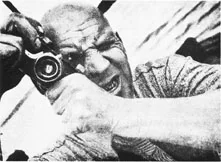
A Soviet biography hails Rodchenko as the first photographer in the USSR to use a Leica camera, solidifying his immense popularity. The camera's influence is undeniable, with an entire chapter dedicated to his "Leica photography" and even gracing the book's cover. Rodchenko fully embraced the compact camera's potential, crafting photomontages, portraits, and documentaries. One such documentary series, capturing Moscow street vendors in the late 1920s, is described vividly by his biographer: "His lens captures the city's essence: the bustling crowds, the lively street trade. Vendors huddle near the sidewalk, one selling candy. A subtle shift of the Leica reveals another, enticing with fresh fruit. But the photographer's true focus lies in the interaction between vendor and customer, their expressions and gestures conveying a silent story."
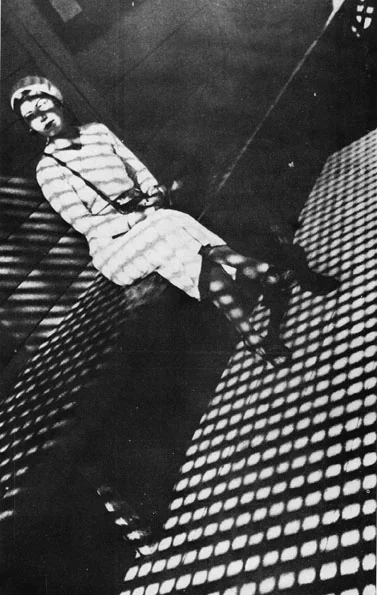
Alexander Rodchenko, a pioneer in Soviet photography, experimented with converging lines, perspective, and unusual angles. His work, however, faced criticism for not aligning with the developing ideology of "socialist realism," which emphasized realistic portrayals and positive social messages. Despite the criticism, Rodchenko is recognized for introducing and popularizing 35mm photography in the Soviet Union and having his work published in various magazines.
The Leica's arrival in the Soviet Union impacted the practices of Soviet photographers, likely due to its portability and ease of use compared to larger, bulkier cameras. However, imports of the Leica and other foreign equipment were soon halted, leading to a demand for a domestically produced "Leica-type" camera.
These developments highlight the tension between artistic innovation and ideological control in Soviet photography during this period. While Rodchenko pushed boundaries with his techniques, the rise of socialist realism aimed to restrict artistic expression to fit specific ideological messages. The introduction of the Leica, despite being eventually replaced by domestic alternatives, provided a tool that facilitated new photographic approaches like those employed by Rodchenko.
Though little known in the West, Anton Makarenko, a Ukrainian educator, left a significant mark on Soviet education during the first half of the 20th century. His methods even had an unforeseen impact on the Soviet camera industry. Makarenko's influence soared in the Soviet Union, where he's revered as a leading educational figure.
A prolific writer, Makarenko documented his experiences in novels, articles, and stories. Some of these works achieved classic status within the Soviet Union. His seven-volume collection, translated into Russian and German, offers a deeper dive into his approach. English readers can discover his ideas in "The Road to Life," his most famous work.
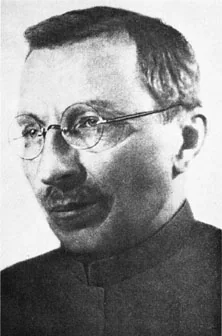
Anton Makarenko's educational journey began in 1905, when he started teaching in the Ukrainian town of Kryukov. Coincidentally, this year also witnessed the significant event of the 1905 Revolution, which greatly impacted his intellectual outlook. After graduating with honors from the Poltava Teachers Institute in 1917, Makarenko returned to Kryukov as the school director.
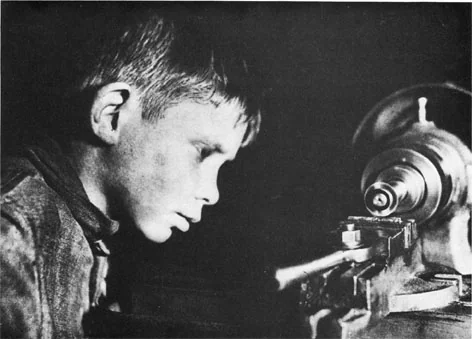
Following the October Revolution of 1917, which he wholeheartedly supported, Makarenko became a vocal advocate for changes in Soviet education. His passionate views earned him the opportunity in 1920 to lead a rehabilitation program for "besprizorniki," children orphaned and left destitute by war, famine, and social upheaval. These neglected youngsters, numbering in the millions by the early 1920s, roamed the streets and resorted to crime and begging for survival.
Makarenko accepted the challenge, establishing a small colony near Poltava in 1920. Later named the Gorky Colony, it relocated twice and grew to accommodate 400 individuals by 1926. During his seven years there, Makarenko developed his signature educational methods, emphasizing collective discipline and labor education.
Collective discipline resembled a quasi-military structure, with work "detachments" led by designated "commanders." This system fostered a sense of pride, achievement, and community among the members. Labor education combined formal education with practical work, primarily agriculture in the Gorky Colony's case. It eventually led to the production of the FED camera, showcasing the tangible outcomes of Makarenko's approach.
His success with the besprizorniki was a remarkable feat compared to the struggles faced by other institutions. These years at the Gorky Colony laid the groundwork for Makarenko's unique educational philosophy.
Despite his achievements, Makarenko's methods at the Gorky Colony faced criticism, particularly from Ukrainian education officials who preferred a less regimented approach. This eventually led to his resignation in 1927. However, this marked just a turning point in his impactful career, as he was immediately welcomed to lead a new project: the Dzerzhinsky Commune.
The FED camera boasts a history as unique as its name. It wasn't named after a famous photographer or a cutting-edge technology company, but rather a youth rehabilitation program. But that's not the strangest part. This program, aimed at helping disadvantaged youth, was surprisingly run by the Soviet secret police!
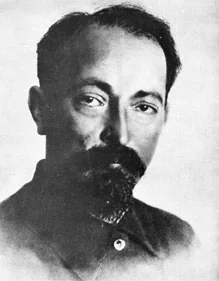
The namesake of the FED camera, Felix Dzerzhinsky, was no champion of children's welfare. He was the founder of the Cheka, the first and fearsome Soviet secret police force. Despite its reputation for ruthless tactics, the Cheka took on an unexpected role in 1920: helping homeless and abandoned children, known as "besprizorniki." Dzerzhinsky, known for his efficiency in building the Cheka's vast network, saw this as an opportunity to leverage that very network for a social cause. His involvement in such a seemingly incongruous project caused quite a stir. Even the education ministry felt the need to reassure a public likely bewildered by the association of the Cheka with children's welfare.
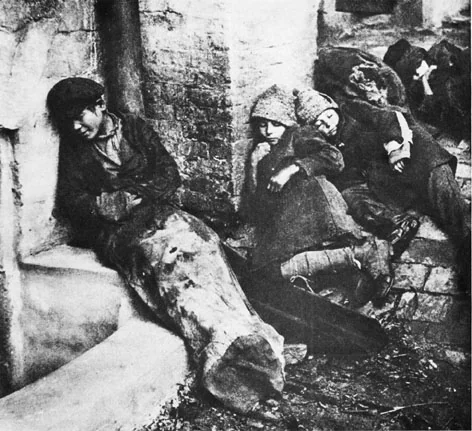
The story of the FED camera takes a bizarre turn when we discover its connection to a youth rehabilitation program. But even stranger is the fact that this program was overseen by the Soviet secret police, the Cheka! The FED camera's namesake, Felix Dzerzhinsky, wasn't exactly a household name for benevolence. He was the ruthless founder of the Cheka, the first Soviet secret police force, notorious for its harsh tactics during the Russian Civil War. Imagine the public's surprise when the Cheka, known for crushing dissent, got involved in social welfare!
In 1920, the Cheka faced a new challenge: tackling the issue of "besprizorniki," a term referring to the large number of homeless and abandoned children left in the wake of World War I and the Civil War. These children were vulnerable to exploitation and could potentially become a source of dissent. Dzerzhinsky, known for his unwavering commitment to the communist cause, saw the Cheka's vast network and fearsome reputation as an advantage. He believed the Cheka's efficiency and ability to command attention could be used to locate these children, establish care facilities, and even deter potential criminals from preying on them.
Dzerzhinsky's involvement in this initiative caused quite a stir. The public likely struggled to reconcile the Cheka's image of brutality with its newfound role as protector of children. Even the Narkompros, the Soviet Ministry of Education, felt compelled to reassure the public through official pronouncements.
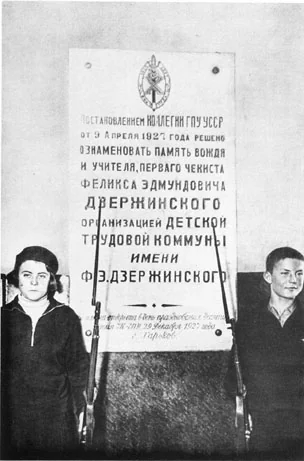
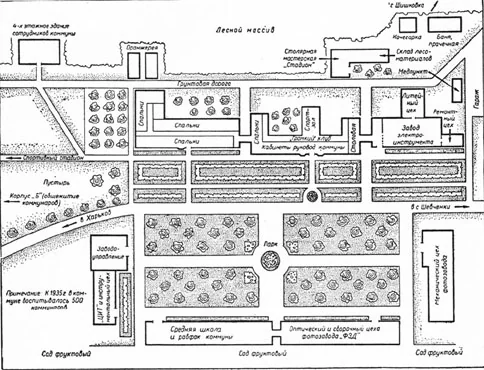
From the beginning, the Dzerzhinsky Commune set itself apart from the Gorky Colony. Makarenko had already developed and tested his educational system at the Gorky Colony, which allowed him to implement his methods with greater confidence at the Dzerzhinsky Commune. Here, he enjoyed full support from the authorities and was free from the distractions of disapproving supervision. Unlike the Gorky Colony, which started in the rundown remains of a former estate, the buildings and workshops of the Dzerzhinsky Commune were new and even luxurious compared to their counterparts. The construction and furnishing of these facilities were made possible, in part, by contributions from local Cheka officers.
Initially, the commune consisted of 150 members, boys and girls aged 13 to 17, including 50 former Gorky Colonists. The young residents of the commune, or "communards," were still classified as besprizorniki, but now more in the sense of delinquents, as understood in the Western world. Their numbers would grow to 600 by 1935.
Makarenko's methods combined productive work and secondary education within a Marxist system of polytechnical education that aimed to eliminate the distinction between physical and mental labor. This was achieved by dividing each day into two four-hour shifts, one dedicated to productive work and the other to classroom instruction.
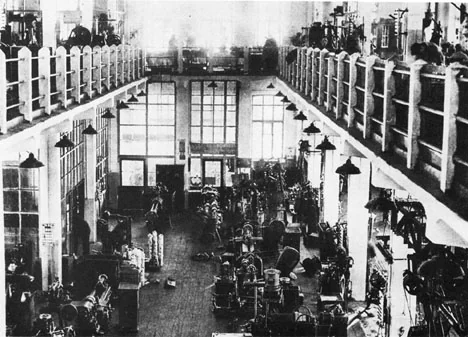
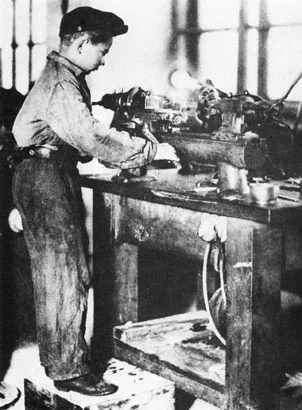
While agricultural labor was the primary focus at the Gorky Colony, the Dzerzhinsky Commune developed more advanced forms of work. Initially, the commune engaged in handicraft production, with workshops for locksmithing, carpentry, shoemaking, and sewing. The commune also had a small foundry. Initially, outside craftsmen provided assistance, but as the commune members developed their skills, external help was minimized.
The products produced by the commune, including clothing and rudimentary furniture, initially served the needs of the commune itself. However, they soon began accepting orders from outside. In this way, the commune became a self-sufficient institution, a source of great pride. By late 1929, the commune was producing and selling various types of furniture and other products. The resulting income allowed for the improvement of facilities and the expansion of the carpentry shops. The production of desks and chairs reached thousands. The value of daily production increased steadily, and the communards received wages that grew as their skills and the value of their work increased. The commune even had a marching band and a wide range of clubs, including drama, sports, photography, and service-oriented clubs aimed at improving conditions within the commune. There were also youth organizations such as the Komsomol and Pioneer. The Dzerzhinsky Commune had evolved into a complex community and was about to face even greater challenges.
During this time, the Soviet Union underwent significant changes. Stalin consolidated his power in the late 1920s and launched the First Five-Year Plan in 1928. The first three Five-Year Plans transformed the USSR from an agrarian country with underutilized resources into an industrial nation that no longer relied heavily on imports to meet its economic needs.
The Soviet goal, as articulated by Lenin and Stalin, was to establish a self-sufficient, autarkic economy independent and isolated from the capitalist world. The First Five-Year Plan aimed to achieve wholesale collectivization of agriculture and rapid industrialization, including the development of heavy industry, transportation, and new power sources. However, to industrialize rapidly, Russia initially relied heavily on Western technology. Books, research, scientists, technicians, and machinery enabled the Russians to acquire some of the most advanced industrial technology in the world without incurring the significant costs of experimentation and development. In this context, international patent agreements and the fact that certain products, like the Leica camera, were of foreign origin became largely insignificant.
The forced collectivization of peasants resulted in the dispossession of millions of people, and many perished. Forced labor on major construction projects also took a toll. Makarenko managed to survive this period while many other educators did not. Sudden shifts in policy often had fatal consequences.
It was also during this period, driven by the push for industrialization and self-sufficiency, that the Soviet camera industry emerged. In 1929, the first EFTE plate cameras were produced in limited quantities by the Foto-Trud cooperative in Moscow. By late 1930, the Fotokor-1, a 9x12 cm folding plate camera manufactured by the State Optical Mechanical Works (GOMZ) in Leningrad, became the first Soviet camera produced in large numbers. Nearly one million were manufactured before World War II. Designed along Western lines, the Fotokor-1 featured a four-element 13.5 cm f4.5 Ortagoz lens. Soviet camera production increased from zero in 1928-29 to 2,973 in 1929-30 and 23,008 in 1931.
The First Five-Year Plan had a profound impact on almost every aspect of life in the Soviet Union, including education. The emphasis on industrialization and the development of a socialist society led to significant changes in the educational system. Makarenko's Dzerzhinsky Commune, with its focus on polytechnical education and productive work, was seen as aligned with the goals of the Soviet government.
However, as the Soviet Union transitioned into a more centralized and authoritarian state under Stalin, the atmosphere became increasingly oppressive. The Great Purge of the late 1930s resulted in the execution or imprisonment of many Soviet citizens, including educators and intellectuals. Makarenko himself faced scrutiny and was briefly arrested in 1934, though he was released and allowed to continue his work.
The Dzerzhinsky Commune faced its own challenges during this time. The emphasis on productivity and meeting production targets sometimes led to harsh conditions and a lack of consideration for the well-being of the communards. Makarenko, while believing in the importance of discipline and hard work, also recognized the need for a more humane approach. He advocated for a balance between work, education, and personal development.
Despite the challenges, the Dzerzhinsky Commune continued to exist and evolve. Makarenko's methods and ideas influenced generations of educators, and his work remained significant in the field of educational theory. However, with the outbreak of World War II and the subsequent turmoil in the Soviet Union, the fate of the Dzerzhinsky Commune and other similar institutions became uncertain. The war had a devastating impact on the country, and many aspects of society were disrupted.
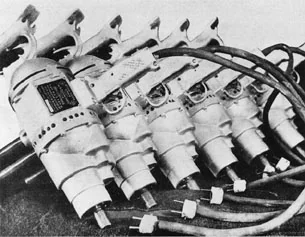
The production of the electric drills proved to be a successful enterprise. In June 1932 it was decided to begin the design of several new models. These were based on Black & Decker models from the United States and were designated FD-2 and FD-3. A goal of 11,500 drills was set for 1933, mostly of the FD-1 type.
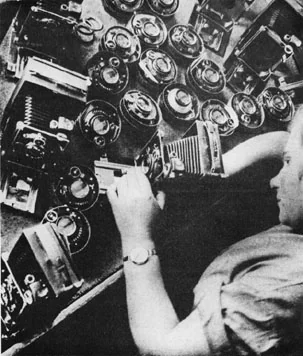
The decision to produce Leica cameras at the Dzerzhinsky Commune was driven by the desire for economic independence and the need for a high-quality camera without relying on imports. While the exact process of how the commune decided on the Leica camera is not known, it is clear that they saw it as a way to achieve self-sufficiency and demonstrate their technological capabilities.
According to Makarenko's writings, planning for the production of Leica cameras began on June 2, 1932, and a special experimental department for their manufacture was established on June 21 of the same year. The first three Soviet Leicas were completed on October 26, 1932. The significance of this achievement was underscored by its mention in Izvestiya, the official newspaper of the Soviet government, on November 5, 1932.
These early Soviet Leicas were exact duplicates of the Leica A model, including an accessory rangefinder. It's worth noting that at the time, the Leica II model with a built-in rangefinder coupled to the lens had already been introduced by the original Leica company earlier in the same year.
The production of the Soviet Leica cameras was an important symbol of the Soviet Union's efforts to achieve economic independence and showcase its technical capabilities. It represented a step towards self-sufficiency in manufacturing and technology, which aligned with the goals of the Soviet government during the period of rapid industrialization and collectivization.
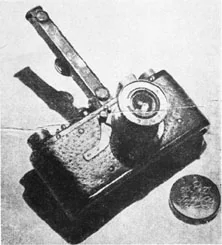
The cameras produced at the Dzerzhinsky Commune and referred to as "Soviet Leicas" in the Izvestiya article were labeled with the inscription "FED-Khar'kov" on their lens caps. These cameras were highly praised for their quality, with the article stating that the lenses were of higher quality compared to similar foreign-made lenses. The lenses themselves, specifically the 50mm f3.5 anastigmat lenses, were manufactured in Leningrad at the Experimental Factory of the All-Union Optical Industry Association (VOOMP) in collaboration with the State Optical Institute (GOI). This collaboration between different institutions in Leningrad highlights the cooperative efforts within the Soviet Union to produce these cameras.
The fact that the lenses were examined and acknowledged by the Leningrad Optical Institute further emphasizes the quality of the lenses and the technical expertise involved in their production. This recognition from an esteemed institution added to the reputation and significance of the Soviet Leicas.
By producing their own cameras and lenses, the Soviet Union aimed to achieve self-sufficiency in the optical industry and reduce dependence on foreign imports. The successful production of these "Soviet Leicas" demonstrated the capabilities of the Soviet manufacturing sector and represented a step towards economic independence in the field of technology and optics.
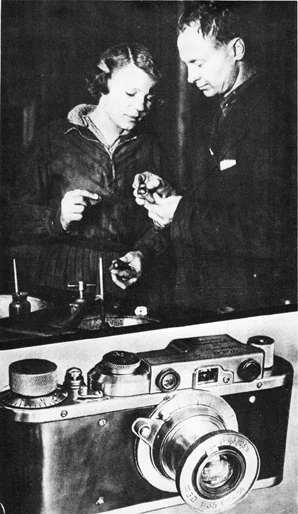
The introduction of the FED cameras, as they came to be known, was announced to the photographic world through publications like Proletarskoe Foto (Proletarian Photo). In the January/February 1933 issue, an article proclaimed the existence of a "Soviet Leica" and praised the new camera as a remarkable achievement for the Soviets and the Dzerzhinsky Commune. While defects were acknowledged, it was expressed with confidence that they would be addressed and resolved in due course. The photographs accompanying the article depicted a camera that closely resembled the Leica, with a black-painted baseplate and top deck, a metal-finished lens, and an infinity lock.
An engineer familiar with the new camera encouraged photographers to offer suggestions and assistance to the commune in their new endeavor. The versatility, compact size, ease of use, film capacity, light weight, and optical qualities of the Leica were highlighted as virtues that promised the FED camera widespread popularity and applications among press photographers, photojournalists, tourists, and scientists.
Throughout 1933, the commune focused on planning and preparing for camera production, while continuing the manufacture of electric drills at its normal pace. The challenge of producing a Leica-like camera was significant, as it required mastering new techniques, producing new equipment, and meeting the demanding precision and optical standards of the Leica. With the assistance of the State Optical Institute, a detailed production and financial plan was developed, and construction began on a new factory building with a planned capacity of 30,000 cameras per year. However, by the end of 1933, only 30 pilot-production copies of the Leica A had been made.
The first regular-production FED cameras, numbered 31 to 40, were completed in January 1934. Unlike the earlier models, the lenses for these cameras were also manufactured within the commune's facilities. The FED cameras, now straight copies of the Leica II, were featured in the April 1934 issue of USSR in Construction, which focused on "The OGPU Labour Communes." The accompanying caption described the young workers of the commune engaged in producing delicate and accurate camera lenses and Leica-type cameras. Variations among the early FED models, such as slight differences in the rangefinder housing and camera body covering, suggest that there may have been some experimentation among the initial production examples.
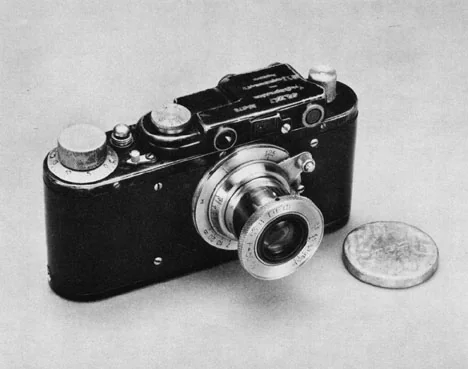
It is interesting to note that the Dzerzhinsky Commune faced challenges in finding a suitable finish for the exposed metal parts of the FED cameras. In a letter to Gorky in June 1934, Makarenko mentioned that the lacquer finish was still a secret they hadn't mastered yet. The commune desired to achieve an elegant appearance for the FED cameras, and they expressed the hope that Gorky would accept one as a representation of their achievements.
To address the issue, an initial solution was to adopt a burnished finish on the plated brass, which gave the appearance of being almost galvanized. This finish can be seen on early examples such as FED No. 922, which also featured a more leather-like covering. Another early camera, No. 4049, showcased in Makarenko's Werke, shares the same characteristics as No. 922. These cameras exhibit signs of hand-finishing by the communards, including fine file-marks on the rangefinder housing.
The early production FED cameras were distinguished by their lack of an accessory clip, a "notched" viewfinder window, and a large shutter-speed dial. The shutter speeds included six settings ranging from 1/20 to 1/500, with a "Z" (bulb) setting. The top of the rangefinder housing featured the engraving "FED/Trudkommuna/im./F.E. Dzerzhinskogo/Khar'kov" (FED, F.E. Dzerzhinsky Labour Commune, Kharkov), while the lens was engraved "FED 1:3·5 F=50 m/m," a style that remained largely unchanged for the following two decades. Approximately 4,000 cameras were produced in 1934.
During the same period, two other factories also ventured into producing Soviet Leica replicas. The VOOMP Experimental Factory (VOOMP Opytnyi Zavod) and the Geodeziya Factory both aimed to create their own versions of the Leica cameras.
In 1933, the VOOMP Experimental Factory produced exact replicas of the Leica A, similar to the initial FED cameras. However, these cameras received little attention, and only a few were likely manufactured. In 1934, the factory embarked on a more serious production of Leica II copies under the name Pioner (Pioneer). The Pioner cameras featured 50mm f/3.5 lenses, likely identical to the lenses used in the FED cameras, engraved with VOOMP Opytnyi z-d 1:3.5 F=50 mm. Production reports indicate that 300 cameras were made in 1934, with a goal of 5,000 cameras for 1935. Nevertheless, the project was likely discontinued, and it is unlikely that more than a few hundred Pioner cameras were manufactured.
Simultaneously, the Geodeziya Factory in Moscow began producing their own Leica II copies. The factory distributed the first 50 examples of their camera in early 1934. The Geodeziya Leica II copies closely resembled the Leica/FED/Pioneer models, with the only noticeable difference being a rectangular viewfinder window with screws on either side. The initial cameras had nickel-plated baseplates and top decks, with chrome planned for later models. The lens, produced by VOOMP in Leningrad, was engraved with VOOMP Z-d Geodeziya 1:3.5 F=50 mm.
It was hoped that the Geodeziya Factory would produce a total of 300 cameras in 1934 and 1,500 cameras in 1935. By early 1935, reports indicated the introduction of a model with a detachable back. The Geodeziya designers aimed to incorporate various improvements into their camera, such as a combined viewfinder/rangefinder. However, similar to the Pioneer project, it appears that the Geodeziya camera was eventually dropped in favor of the FED, with only a few hundred units manufactured. It is worth mentioning that the name "FAG" was used temporarily for the Geodeziya camera, but the meaning behind the acronym remains unclear.
Although information about the Pioneer and FAG cameras reached beyond the Soviet Union, as reported in the March 1935 issue of the Polish journal Fotograf Polski, no surviving examples of these cameras are known to exist today.
In July 1934, the responsibility for the police functions of the Soviet state was transferred from the OGPU to the People's Commissariat of Internal Affairs (NKVD). Consequently, the administration of the Dzerzhinsky Commune, including the camera production, was also transferred to the NKVD. However, Makarenko continued to be in charge of the commune. This change was reflected in the second version of the FED camera, which was introduced in early 1935. The new version carried the engraving "FED/Trudkommuna/NKVD-USSR/im./F.E.Dzerzhinskogo/Khar'kov" (FED, F.E. Dzerzhinsky Labour Commune of the NKVD of the Ukrainian SSR, Kharkov). Additionally, the camera received several modifications, including a professional satin chrome finish, an accessory clip, a smaller shutter speed dial, and a rectangular viewfinder frame. Later in 1935, the top of the viewfinder frame was made flush with the top of the rangefinder housing, becoming the most distinctive feature of subsequent Soviet Leica II copies.
The year 1935 was significant for the Dzerzhinsky Commune, as it reached its peak as a combined education and labor institution. The commune grew to 600 members, and its productive capacity was at an all-time high. The majority of camera production processes were carried out internally by the commune itself. However, the growth of the commune also brought challenges, as economic and educational considerations began to compete with each other. The commune was starting to outgrow its original purpose as a rehabilitative organization. Photographers in Russia were demanding accessories such as enlargers, developing tanks, slide projectors, and additional lenses to complement the FED camera. This demand eventually led to a fundamental change in the organization of the commune.
In July 1935, after eight years of dedicated work, Makarenko's directorship of the Dzerzhinsky Commune was abruptly terminated. This event marked a sad occasion for both Makarenko and the commune. Makarenko was appointed as the Assistant Director of Labour Colonies for the NKVD in Kiev. In January 1937, Makarenko moved to Moscow, where he dedicated himself entirely to writing and lecturing until his death on April 1, 1939.
Even after Makarenko's departure, the Dzerzhinsky Commune maintained its original form for about two more years. During this period, the commune continued to grow, reaching 750 members, with an additional 400 hired workers. Sometime in 1937, after Makarenko had left his post in Kiev, the school and production activities of the commune were separated. The factory was then directly administered by the NKVD. The NKVD's economic activities, which included various forced labor enterprises, accounted for 1.2% of the total Soviet production by 1941, and FED production was specifically mentioned among these activities. However, it is unlikely that forced labor was employed at the Dzerzhinsky Commune. The commune had established itself as a model institution under Makarenko's leadership and had gained a favorable reputation that the authorities likely wanted to maintain.
The change in administration at the commune coincided with a decree issued by the Narkompros (People's Commissariat of Education) on March 4, 1937. The decree ordered the abolition of labor education and the liquidation of all school shops in the Soviet Union. Although this decree did not directly affect the Dzerzhinsky Commune, as it was not under the administration of Narkompros, it indicated the changing sentiments regarding labor and education during that time.
Nonetheless, the production of FED cameras continued. In 1935, a total of 12,000 cameras were produced, and the number increased to 15,000 in 1936, with the celebration of the 25,000th camera. By late 1937, the first accessories for the FED camera became available. These accessories included developing tanks, photoelectric exposure meters, loupes for examining negatives, film cassettes, and mechanical and hydraulic self-timers. The list of accessories grew to about 18 items by 1938, many of which were direct copies of their Leitz counterparts. In the September 1937 issue of Sovetskoe Foto, a Leica camera was shown with an accessory folding-frame sports viewfinder, with the caption mentioning that an analogous viewfinder was being developed at the Dzerzhinsky Labor Commune. In fact, a FED camera with a similar "analogous" accessory was illustrated in the November issue. The factory received criticism from Sovetskoe Foto regarding the accessories, as only four out of the announced 18 items were actually produced in 1938. Complaints also included concerns about low quality, high prices, and the lack of relevant manuals.
By 1938, four additional lenses were being produced as accessories to the standard 50mm f/3.5 Elmar-type lens. These included a 28mm f/4.5 wide-angle lens, a 50mm f/2 fast lens, a 100mm f/6.3 long-focus lens, and a reproduction lens for close-up work, which consisted of the basic f/3.5 lens elements in a longer close-focusing mount.
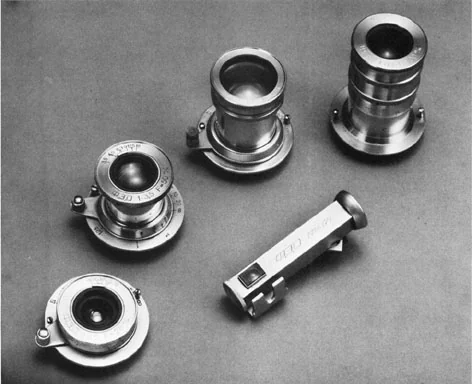
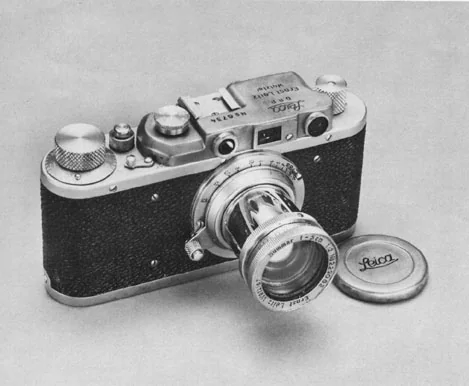
During its time under the administration of the NKVD, the Dzerzhinsky Commune engaged in a rather unique practice in the history of camera manufacturing. In addition to producing physical copies of the Leica cameras, some of the FED cameras were engraved with the 'Leica' trademark, and certain f/3.5 lenses were engraved with 'Leitz Elmar'. This practice persisted for several years, resulting in a significant number of these "counterfeit Leica" cameras being produced. Despite any shortcomings in workmanship, these cameras were easily identifiable by the distinctive FED viewfinder window.
The earliest known instance of these "counterfeit Leica" cameras being manufactured was in 1936, although the most common year for their production appears to be 1938. It is unclear what motivated the Dzerzhinsky Commune to engage in this practice, but it certainly adds an interesting chapter to the history of camera production.
In 1937, preparations began for the development of two new FED camera models. The first model was called the FED-B, which was planned to be introduced in 1938. It was essentially identical to the standard FED camera, with the exception of a top shutter speed of 1/1000 and a separate slow-speed dial on the front of the camera body for additional speeds ranging from 1/20 to one second. The FED-B was intended to be a direct copy of the Leica IIIa (G) model. However, the project was eventually abandoned and never reached the production stage. Only 40 experimental examples were built in 1937, and after that, they were no longer mentioned in the literature.
The second new model, known as the FED-S (Cyrillic letter 'C', equivalent to the English letter 'S'), did make it to the production stage and was introduced in 1938. The FED-S differed from the standard FED camera only in having an additional top shutter speed of 1/1000 and a faster f/2 lens as standard equipment. However, innovations were relatively slow to appear in the FED cameras compared to their Leica counterparts. It appears that the FED-S was produced in smaller quantities than the standard model. Interestingly, this model also appeared with Leica branding, with the FED f/2 lens engraved as 'Leitz Summar'. However, the focusing mount of this 'Summar' lens was quite different from that of the genuine 50mm f/2 Summar lens.
In terms of styling changes, the FED camera's appearance was modified in 1938 to reflect changes that had been made on the Leica models several years earlier. Early in the year, the platform under the shutter-speed dial was changed from a rounded contour to a more angular shape. Towards the end of the year, the stud on the camera's side, which was used to engage the baseplate, was enlarged.
Overall, these developments in the FED camera line demonstrate the ongoing efforts to improve and align the FED cameras with the design and features of their Leica counterparts, while also introducing some variations and unique characteristics.
The publication of the first edition of "Kamera FED" in 1938, followed by a second edition in 1942, aimed to fulfill the demand for a comprehensive manual on the FED camera and 35mm photography. This work covered various aspects of 35mm photography and FED equipment, and would have been highly valued by Russian photographers. It seems that the author drew inspiration from the "Leica Manual," at least in terms of its illustrations. The cross-sectional views of the FED camera depicted in "Kamera FED" were identical to those found in the early editions of the "Leica Manual." This similarity highlights the close resemblance between the two cameras.
Around this time, other Soviet cameras began to emerge, primarily manufactured by the GOMZ factory in Leningrad, which was the major pre-war Soviet camera factory. In addition to the Fotokor, the factory produced the 6x9 cm Turist, 6.5x9 cm Reporter, and large-format cameras in sizes such as 13x18 cm and 18x24 cm in the mid-to-late 1930s. Of particular interest is the 35mm Sport single-lens reflex (SLR) camera, introduced in 1936. Although its production spanned only a few years, it is considered one of the world's earliest 35mm SLRs, appearing around the same time as the Kine Exacta from Germany. The Sport featured a focal plane shutter, accepted cassettes capable of holding film for 50 exposures, and had shutter speeds ranging from 1/25 to 1/500, including a 'B' (bulb) setting. The lens used was a 50mm f/3.5 Industar-10 in a bayonet mount, even though no other bayonet lenses were available at the time. The standard lens for the FED camera was also an Industar-10, although this designation only appeared in print. Since the FED Industar-10 was essentially a copy of the Leica Elmar lens, it can be inferred that the Industar-10 lens on the Sport camera was also an Elmar-type lens.
Among the Russian cameras that appeared in significant quantities before the war were the plastic 35mm cameras Liliput, Malyutka, and Smena. It is worth noting that while in the United States, Kodak 35mm film boxes were labeled "For Retina, Contax, and Leica cameras," Russian 35mm film boxes were similarly labeled "For FED, Leica, and Contax." This indicates the recognition of the FED camera as a significant contender alongside Leica and Contax in the Russian market.
In early 1939, the FED factory underwent a renaming and became known as the F.E. Dzerzhinsky Kombinat of the (central) NKVD of the USSR. In the Soviet Union and other Eastern European countries, the term "kombinat" was used to refer to a large industrial complex that combined several establishments, each responsible for a different step in the production process. This renaming reflected the factory's increased size and capabilities compared to its previous designation as a "commune." The FED camera itself also underwent a change to reflect this renaming. The rangefinder housing of the camera was engraved with the following inscription: FED/NKVD-SSSR/Khar'kovskii/Kombinat/im./F.E.Dzerzhinskogo. This inscription highlighted the association of the FED camera with the NKVD and the F.E. Dzerzhinsky Kombinat in Kharkov, Ukraine.
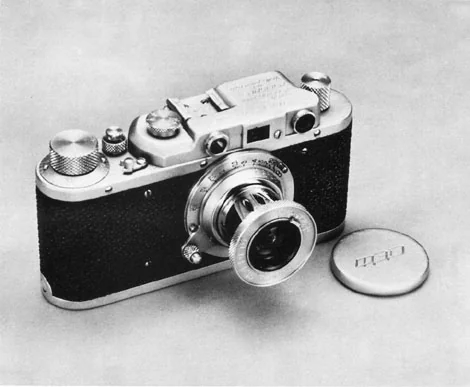
In mid-1939, the production of the 100,000th FED camera was celebrated, marking a significant milestone for the Soviet camera industry. Sovetskoe Foto, a Soviet photography magazine, reported on the event, stating that the FED camera had fulfilled the aspirations of 100,000 amateur and professional photographers and reporters who had once envied the owners of the compact Leica cameras. The magazine emphasized the pride and joy of the Soviet photo community in the progress of the domestic photo industry, as the 100,000th FED camera had successfully passed the factory's final quality control section.
However, despite the achievement of this production milestone, the FED factory continued to face criticism for its perceived failure to address the needs and demands of Soviet photographers. One of the key criticisms was the lack of specialized accessories and innovations in camera and lens design. Soviet photographers felt that the FED cameras were lacking in terms of meeting their specific requirements and preferences. They desired a wider range of accessories and advancements in design that could enhance their photographic capabilities.
The criticism highlights the tension between the achievements of mass production and accessibility of the FED cameras, and the desire for more specialized features and innovations that could elevate the camera's performance and expand its capabilities.
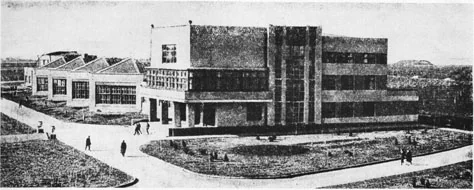
The pre-war Soviet camera industry experienced its highest point in 1939, with a total production of 478,600 cameras of various types. This production figure would not be surpassed again until 1953. The industry was thriving, and the FED camera, in particular, was in demand among Soviet photographers.
In 1941, the State Economic Plan set a target for the production of 40,000 FED cameras by the NKVD, representing a 24% increase compared to the 1940 production of 32,300 cameras. However, the outbreak of World War II interrupted the plan, and the camera production was affected by the war effort.
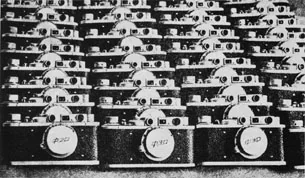
The total pre-war production of FED cameras reached approximately 175,000 units. These cameras played a significant role in providing Soviet photographers, both amateurs and professionals, with a domestic alternative to foreign-made cameras like Leica. The FED cameras offered accessible and affordable options for photographers in the Soviet Union, contributing to the growth of the local photography industry.
The impact of the war and the subsequent years of recovery would have a significant influence on the production and development of cameras in the Soviet Union. It would take several years before camera production reached the levels seen in 1939.
The invasion of the Soviet Union by Germany on June 22, 1941, had devastating consequences for the country. The war resulted in the loss of approximately 20 million lives and widespread destruction of towns, villages, and industries. Ukraine, with its significant agricultural and industrial resources, suffered particularly heavy damage. As German forces advanced, many Soviet industrial enterprises were evacuated to safer regions beyond the Urals. Demolition teams were also deployed to destroy what could not be moved. In a "scorched-earth" policy, retreating German forces further devastated Ukrainian industry. By the end of the war, the destruction of Ukrainian industry was nearly complete.
Kharkov, an important communications center, changed hands multiple times during the war. The city fell to the Germans on October 25, 1941. The Russians attempted to retake it in May 1942 but failed. They made another attempt in February 1943, succeeding this time but only after retreating German forces had systematically destroyed the entire city. The Germans recaptured Kharkov a month later but abandoned it for the final time on August 22, 1943. The FED camera factory, along with the buildings of the former Dzerzhinsky Commune, was completely destroyed. FED camera production likely ceased with the initial German takeover in 1941.
During the course of the war, the Soviet camera industry came to a halt. However, with the return of peace in 1945, efforts began to rebuild the industry. Official Soviet figures indicate that camera production in 1945 amounted to only ten cameras. The numbers increased to 5,700 in 1946 and 91,500 in 1947. By this time, the former commune school buildings were being reconstructed, and it is likely that the FED factory was also rebuilt. Unfortunately, detailed information about the post-war period is scarce, as there was no Soviet photographic magazine between 1941 and 1957, and books often lack comprehensive coverage. Information on individual factories is seldom published today.
The FED camera, unchanged from its pre-war design, reappeared sometime after 1946. The rangefinder housing now featured the engraving "Zavod/im./F.E. Dzerzhinskogo" (F.E. Dzerzhinsky Factory) below the "FED" brand. A more attractive FED logo was later adopted, and in the final version, the factory name was dropped. The lens remained the 50mm f/3.5 FED (Industar-10) with the same engravings as in 1934, except for a minimum aperture of f/16 instead of f/18. Production of accessory lenses did not resume after the war. Shutter speeds were adjusted to a more geometric progression between 1/25 and 1/500, with the addition of a 'B' (bulb) setting instead of 'Z'. In 1946, the NKVD was reorganized into the MVD (Ministry of Internal Affairs), and it appears that the factory no longer maintained its official ties with the secret police after the war.
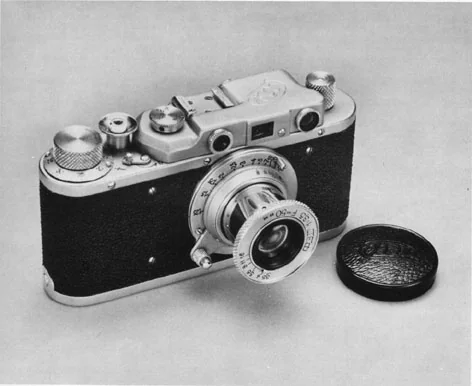
The Zorki is another noteworthy Russian Leica II copy that emerged alongside the post-war FED. It was introduced around 1948 and was manufactured by the Krasnogorsk Mechanical Works (KMZ) in Krasnogorsk, located outside Moscow. Despite being virtually identical to the FED, the Zorki was produced by a different factory. The reason for both factories producing the same type of camera is not entirely clear. KMZ, which is now a larger enterprise than the Dzerzhinsky Factory, produces a wide range of sophisticated optical instruments and camera models, including the Zenit 35mm SLRs.
The main physical difference between the Zorki and the FED was the lens. The Zorki featured the Industar-22 lens, a coated anastigmat that was slightly different from the FED and Elmar lenses. Unlike the FED, some Zorki cameras were intended for export and had dual Russian/English engravings. Both the Zorki and FED Leica II copies were last produced in 1955.
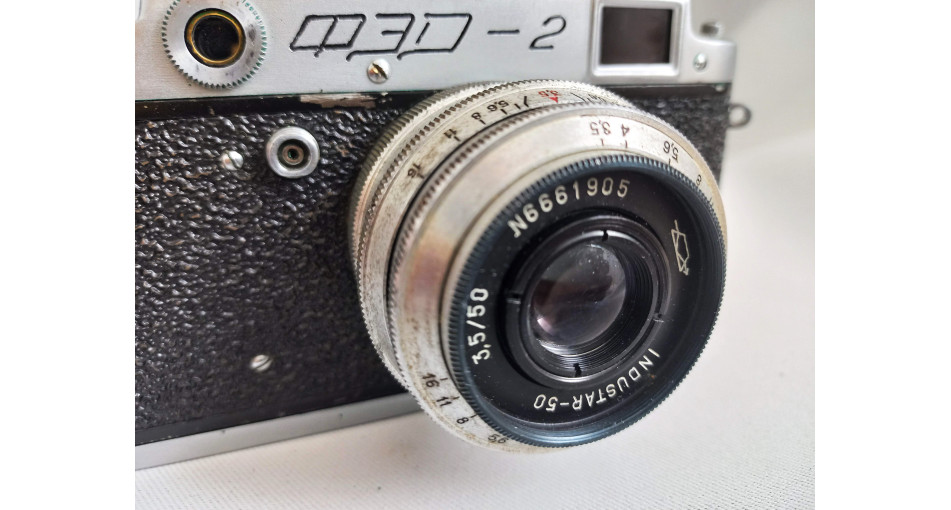
Following the original models, a series of FED (and Zorki) models were introduced that gradually deviated from the Leica II design while still retaining their Leica heritage. The FED-2, introduced around 1955, incorporated new features such as a removable back, a combined rangefinder/viewfinder, a longer rangefinder base (67mm), a self-timer, and flash synchronization.
The global trend towards 35mm single-lens reflex (SLR) cameras significantly reduced the market demand for 35mm interchangeable-lens rangefinder cameras. The current FED-4L is among the few remaining options in this category. It is not highly sophisticated by Western standards, with its main advantage being its affordability. However, even within the realm of Russian cameras, it is often overshadowed by the Zorki-4K or Contax-like Kievs. Today, the FED factory likely plays only a minor role in the substantial Soviet camera industry.


