

Servicing the Raketa 2603: A Practical Guide to the Post-Pobeda Soviet Caliber
"The movement was still running despite everything — that kind of determination to survive deserves restoration..."
— Notes from the workbench
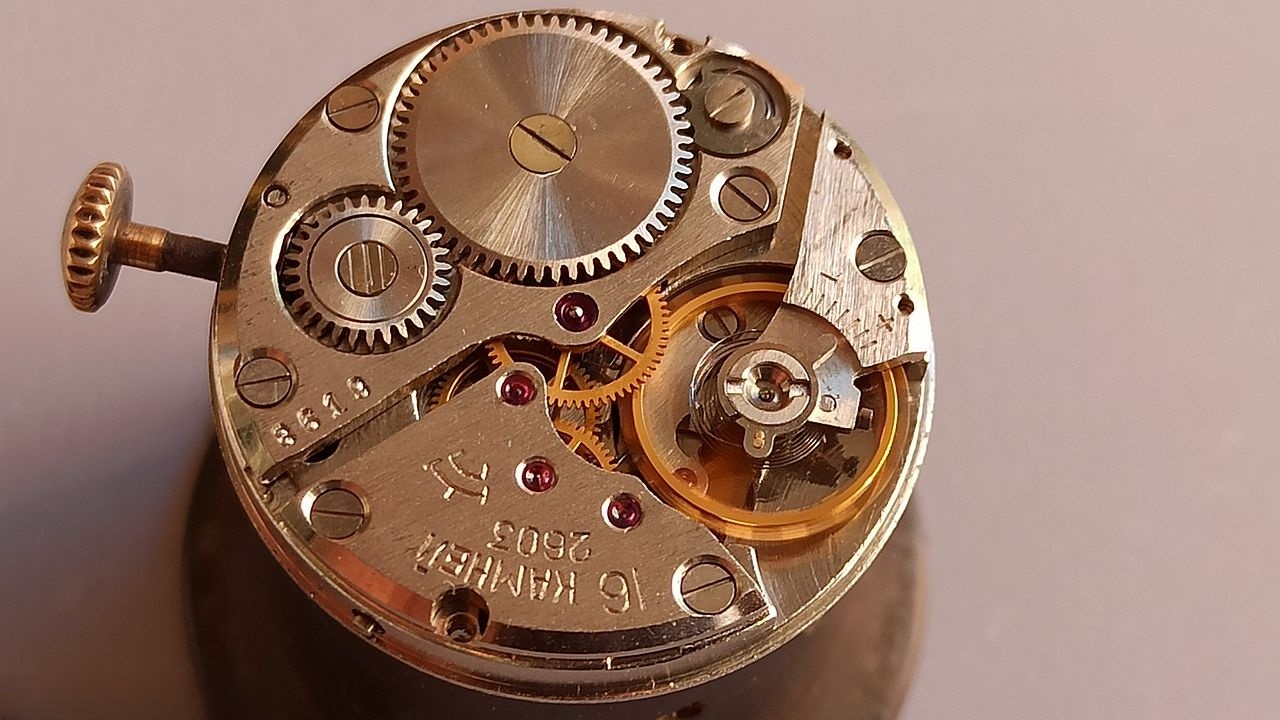
This Raketa had waited years for attention, technically running but cosmetically suffering. When interest arose specifically in the caliber 2603 — the evolutionary step beyond the legendary K-26 Pobeda movement — the opportunity seemed right for a documented service.
The 2603 shares approximately ninety percent compatibility with the earlier 2602 (K-26), making experience with Pobeda or ZIM movements directly applicable. The key differences: shock protection for the balance and, in some variants, additional jewel bearings. For detailed historical context on how the 2603 evolved from the Pobeda and what distinguishes different production variants, see our comprehensive guide to the Raketa 2603 caliber. This article focuses on practical service procedure.
Case Disassembly
Initial examination reveals the expected condition for a watch of this age. The external deterioration belies the mechanical resilience within.
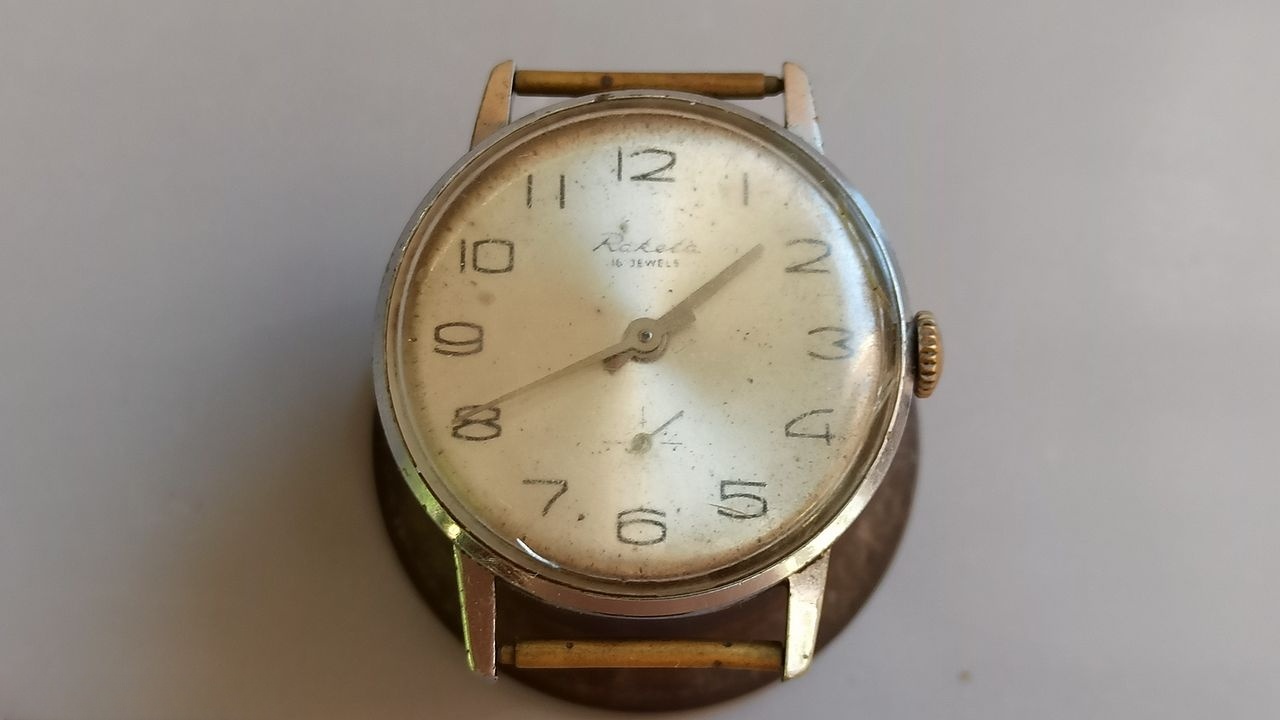
The case back is a standard snap-on design, yielding to a case knife.
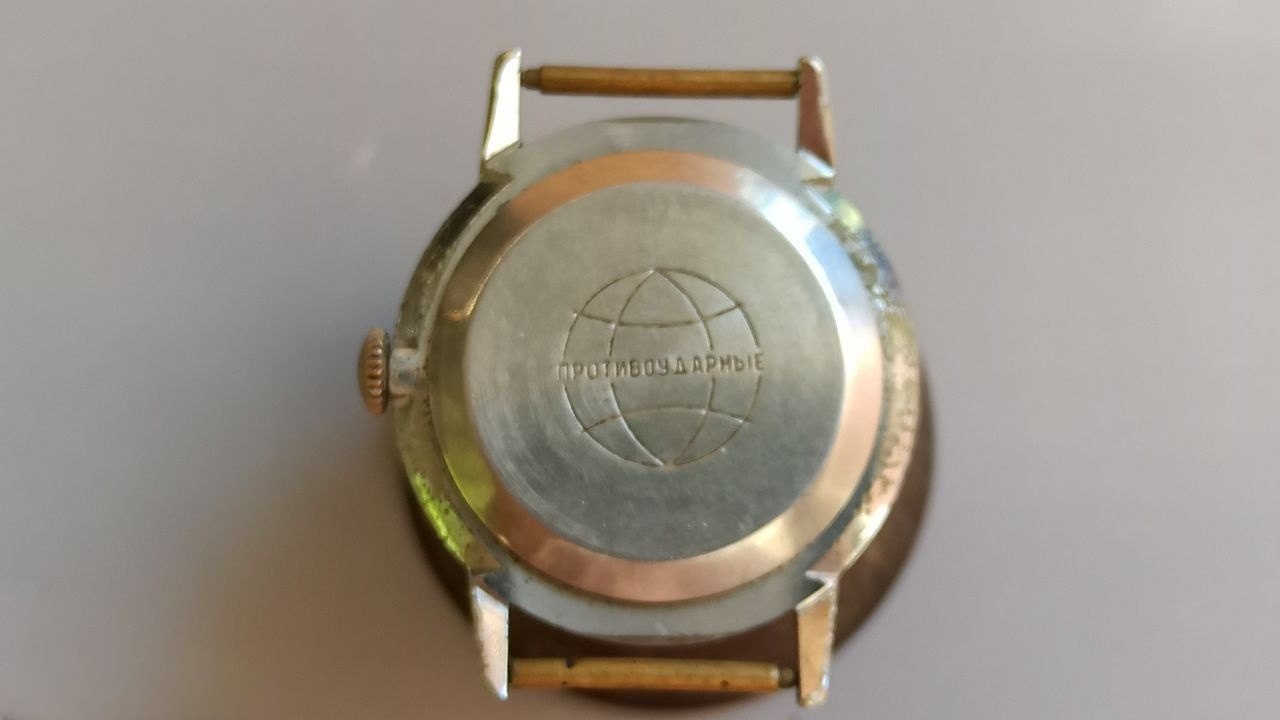
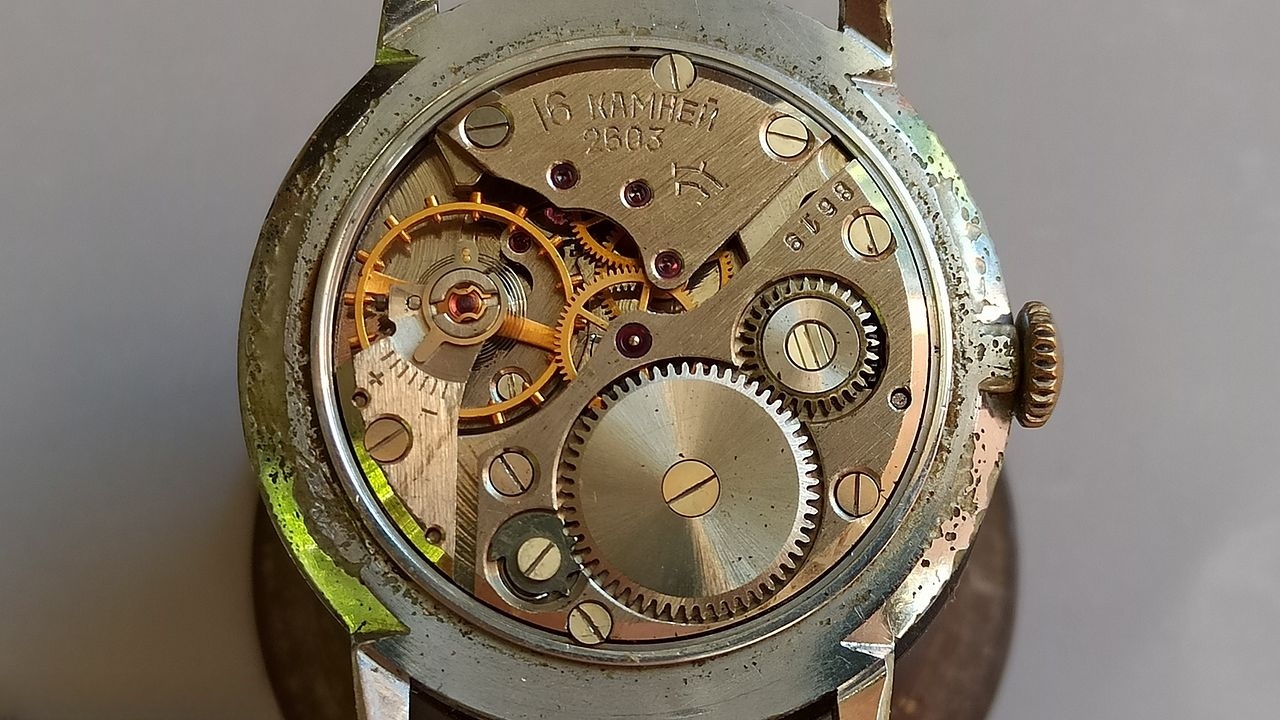
This case design comprises three parts: back, mid-case, and bezel with crystal. The movement extracts through the front, not the back. First, remove the screws securing the movement to the mid-case.
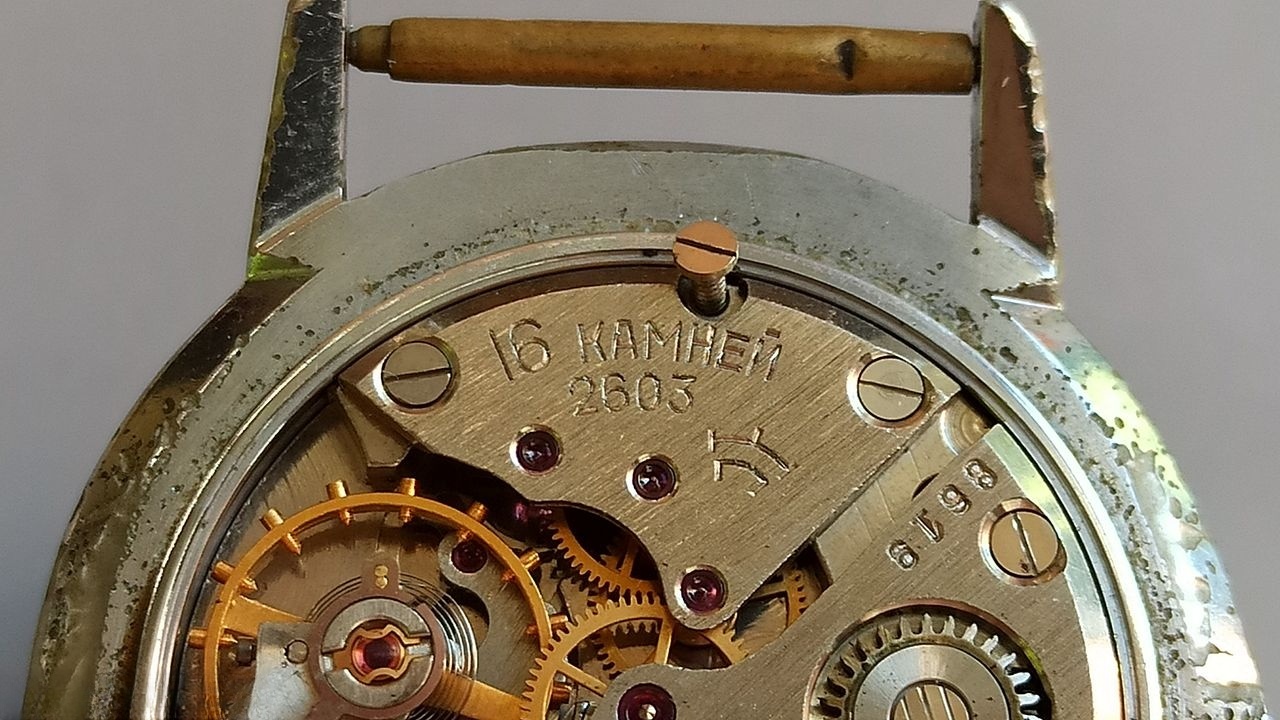
The bezel incorporates a small notch for a case knife. Gentle prying releases the bezel with crystal.
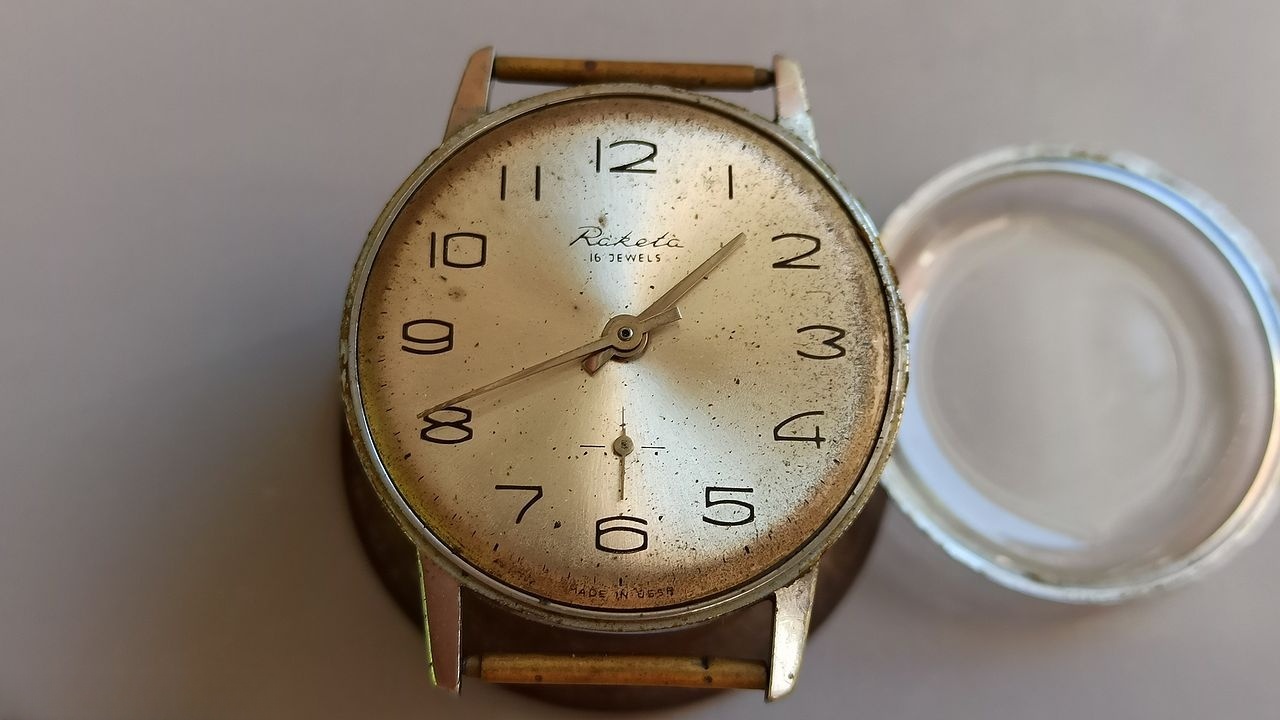
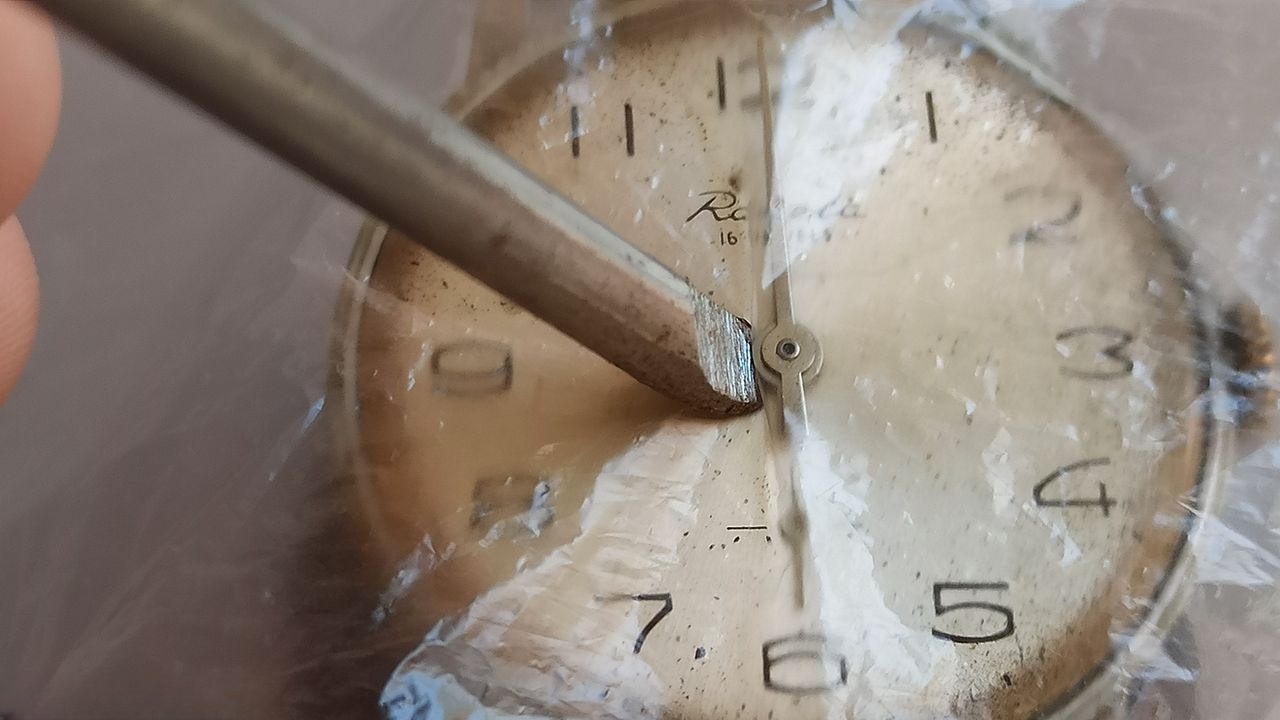
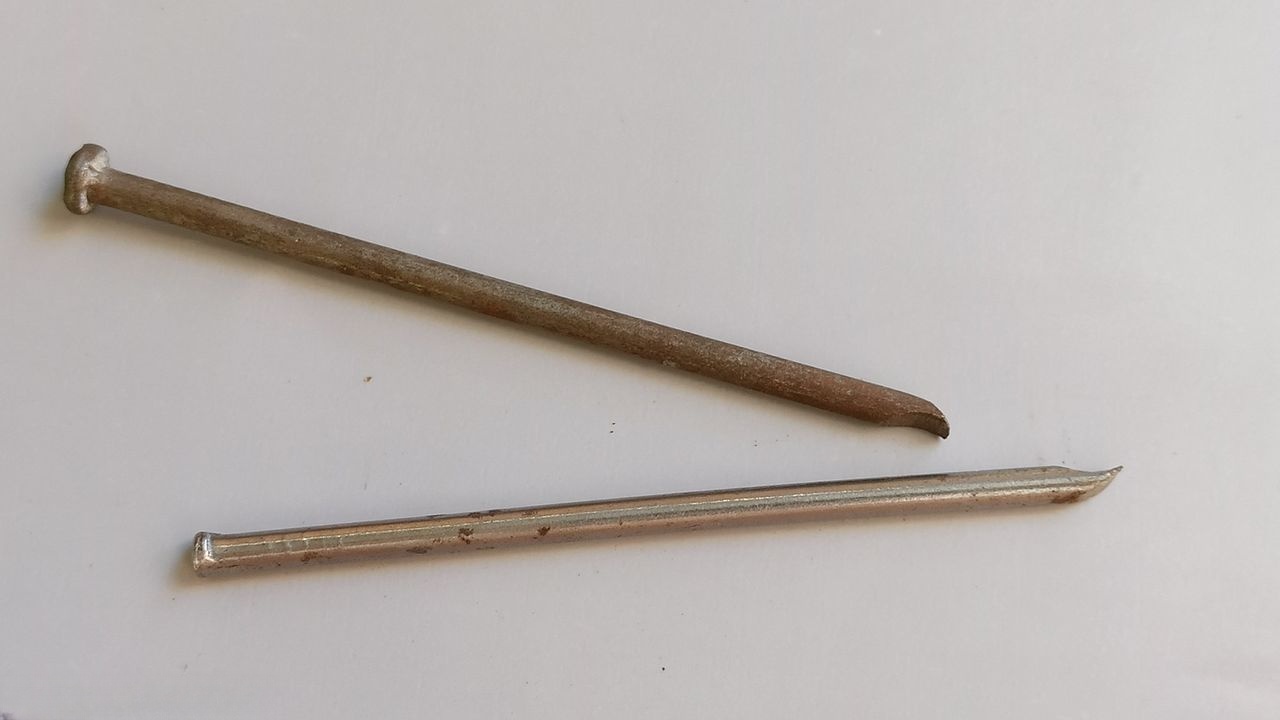
With bezel removed, the hands become accessible. Simple hand levers fashioned from large nails work effectively for this task.
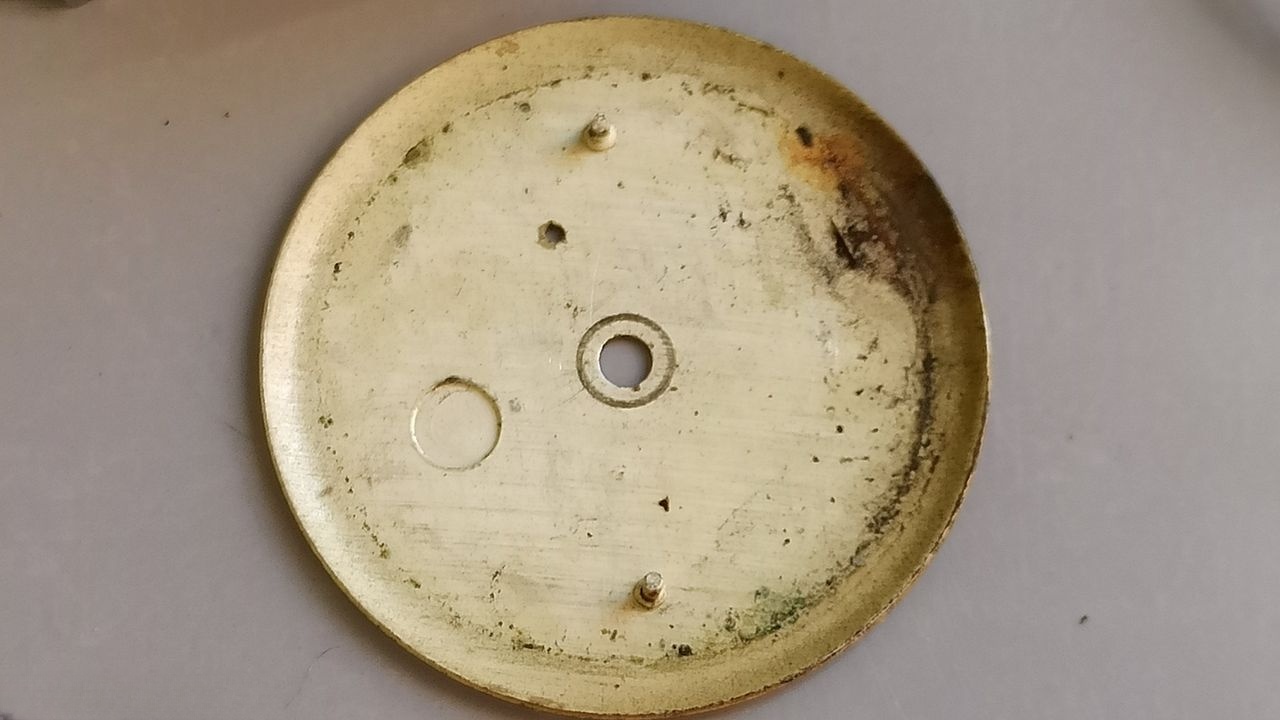
The movement lifts out and the dial releases via its foot screws. Note to replace the dial foot screws before setting the dial aside to prevent loss.
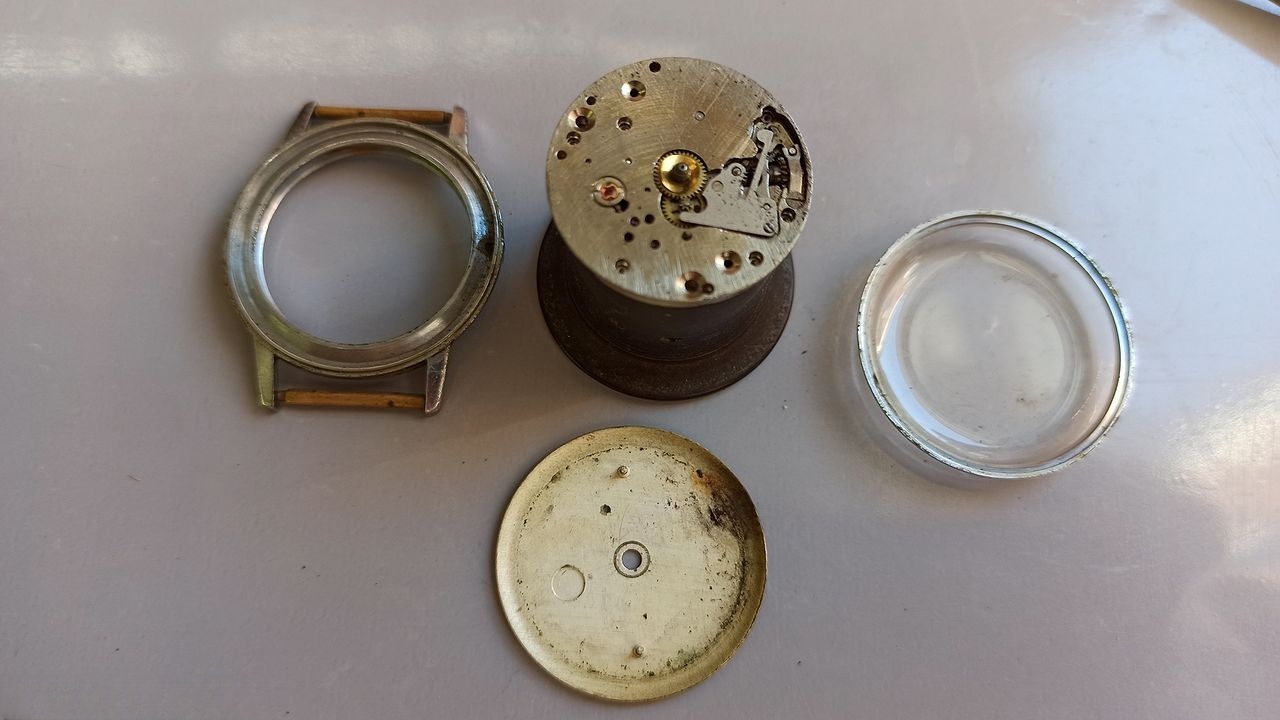
The contamination revealed beneath the dial confirms the need for service.
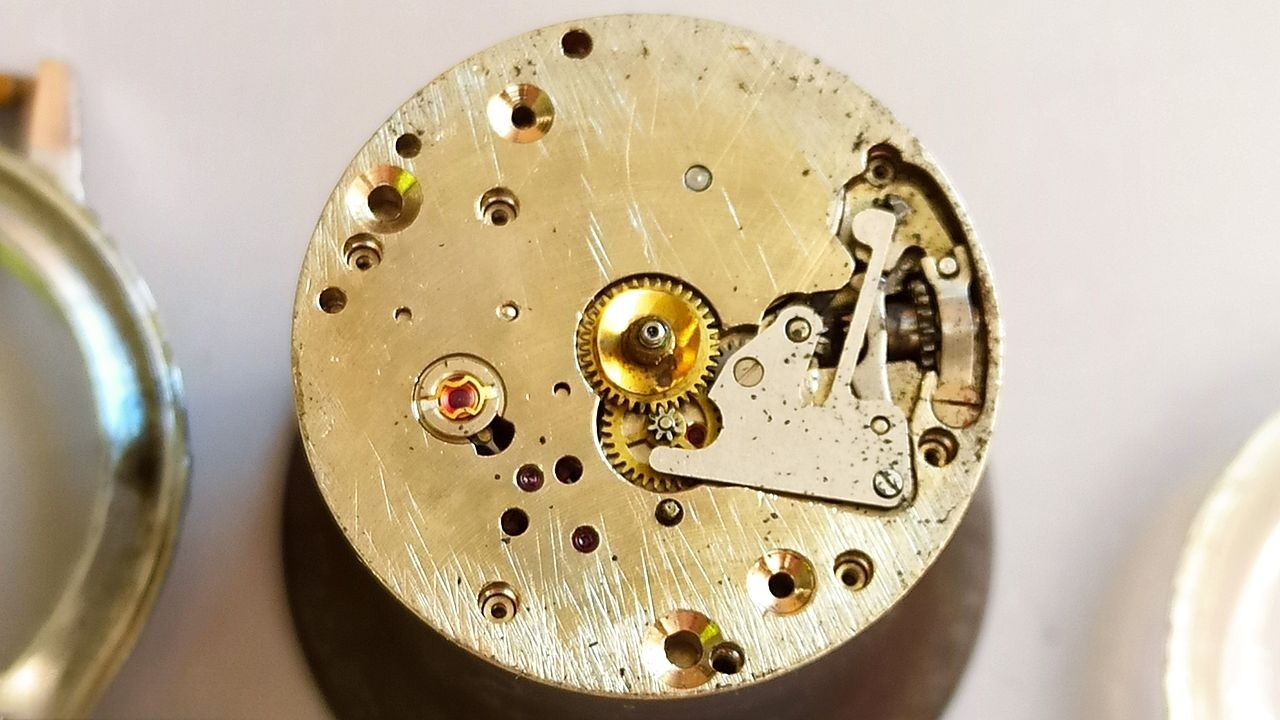
Movement Disassembly
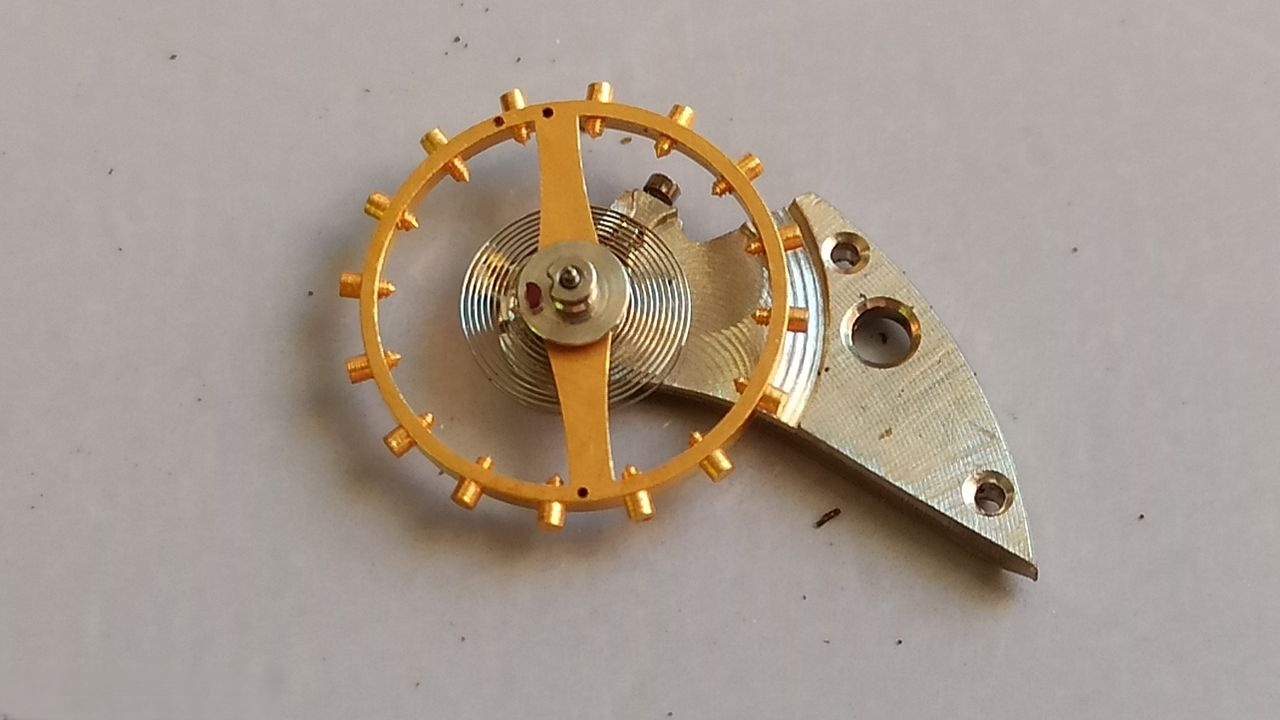
The balance removes first, set aside for later attention.
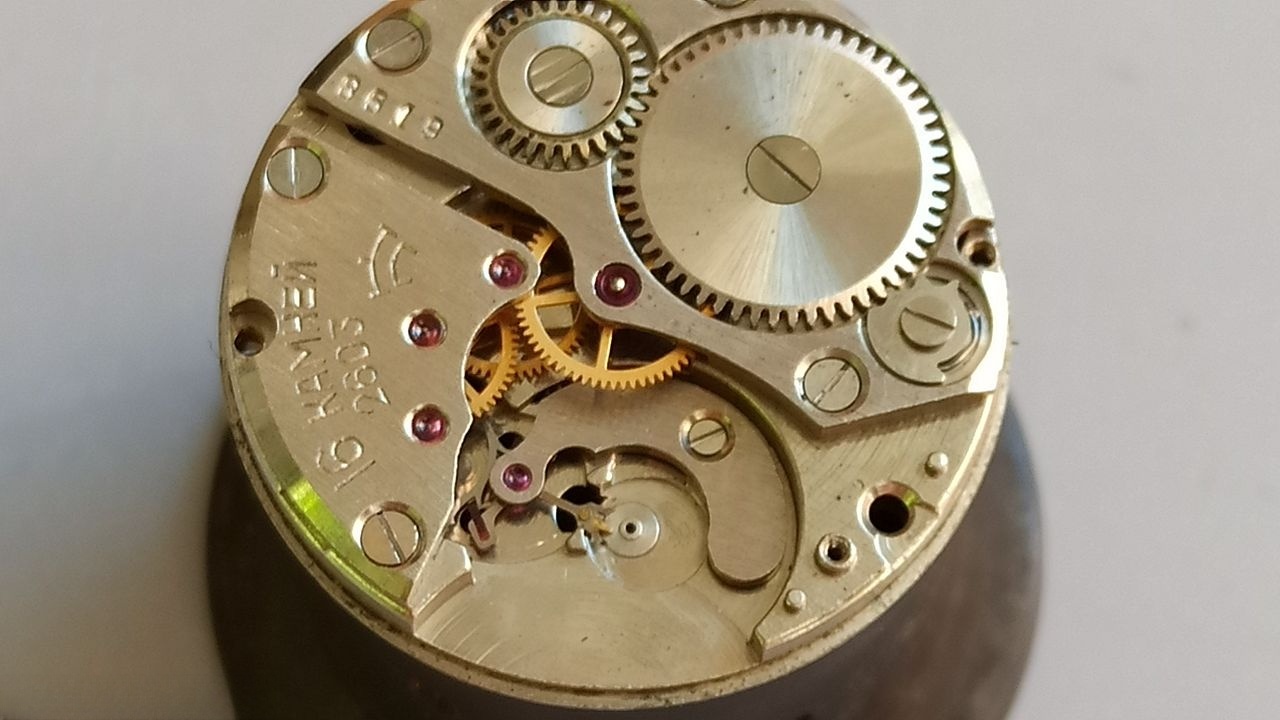
The ratchet wheel reveals contamination throughout the winding system.
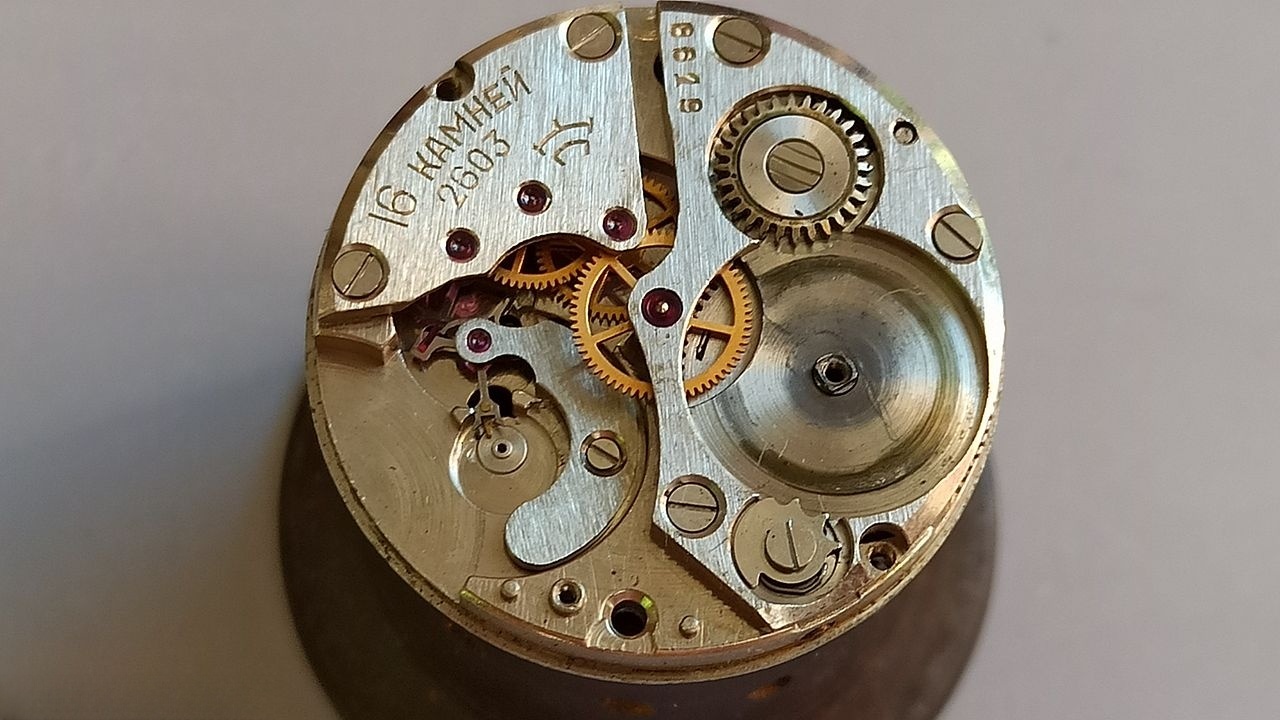
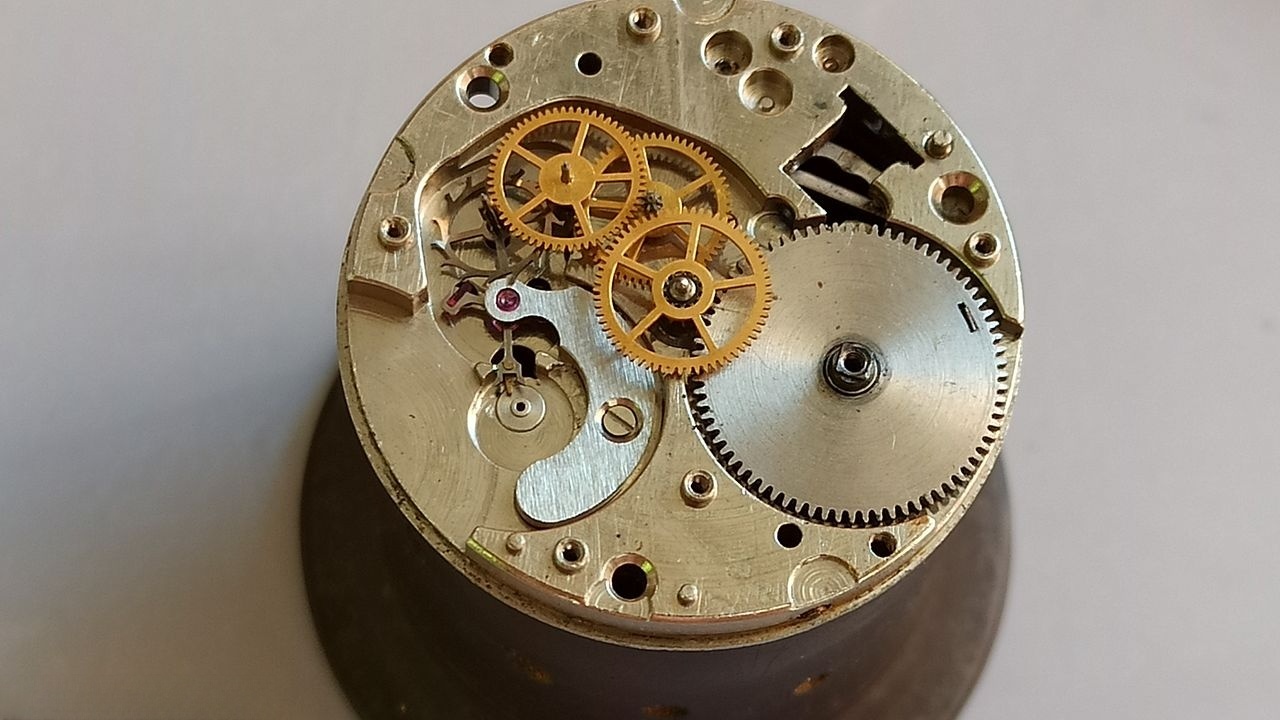
The train bridge and barrel bridge lift away, releasing the gear train. The minute wheel removes from the dial side. All components proceed to the cleaning solution.
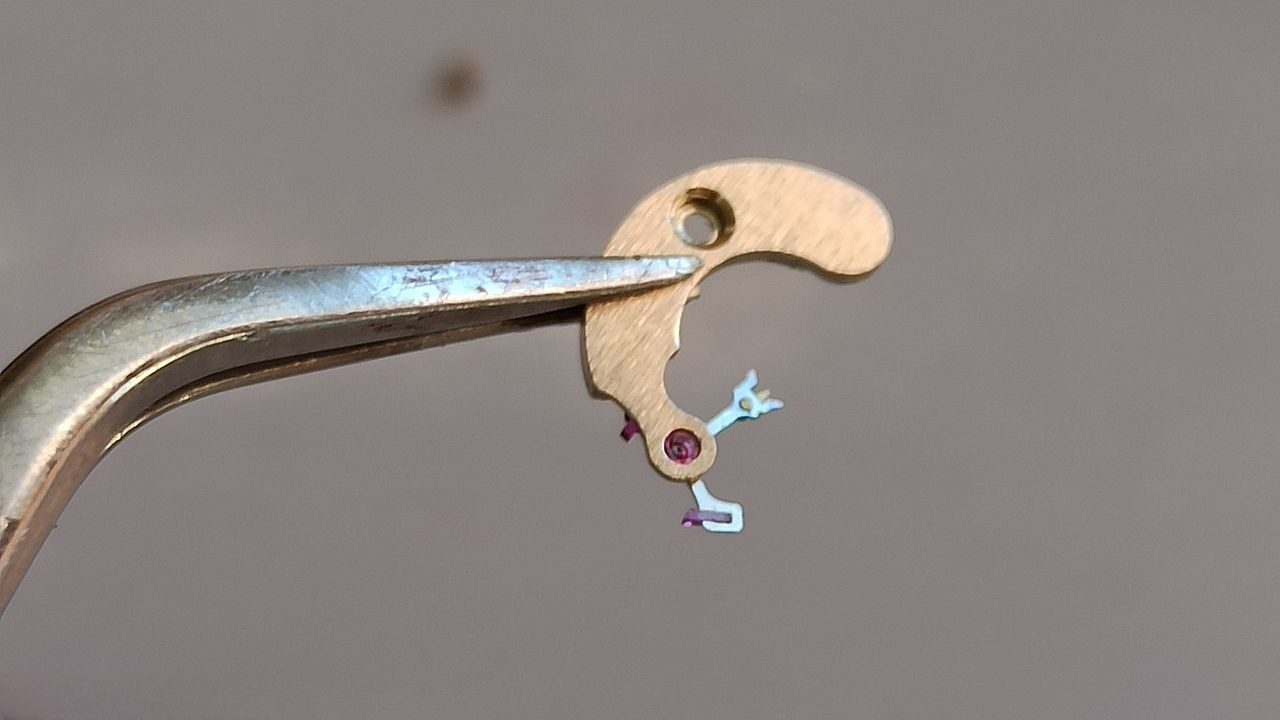
The pallet fork bridge reveals an alarming discovery: the pallet fork had adhered to its bridge with dried lubricant. That the watch ran at all in this condition speaks to the fundamental robustness of the design. A brief benzine bath and gentle manipulation separates the components.
The keyless works disassemble with attention to the R-shaped spring, which will attempt escape at every opportunity.
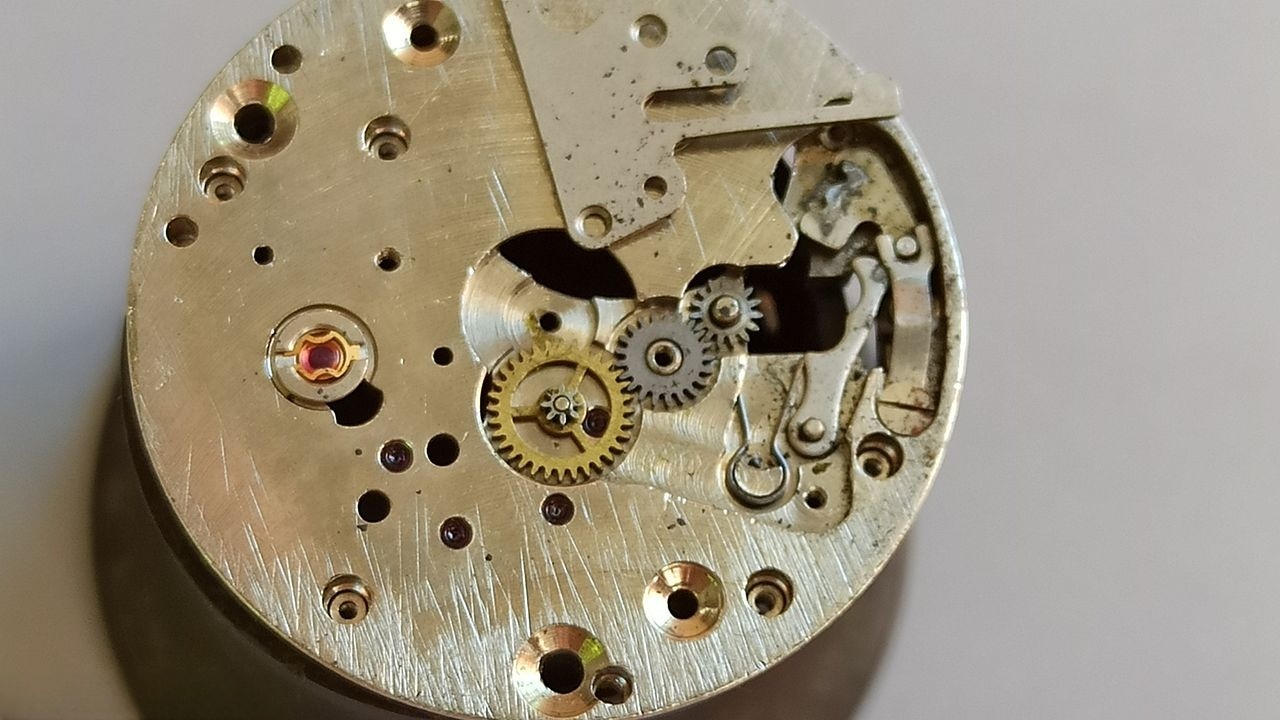
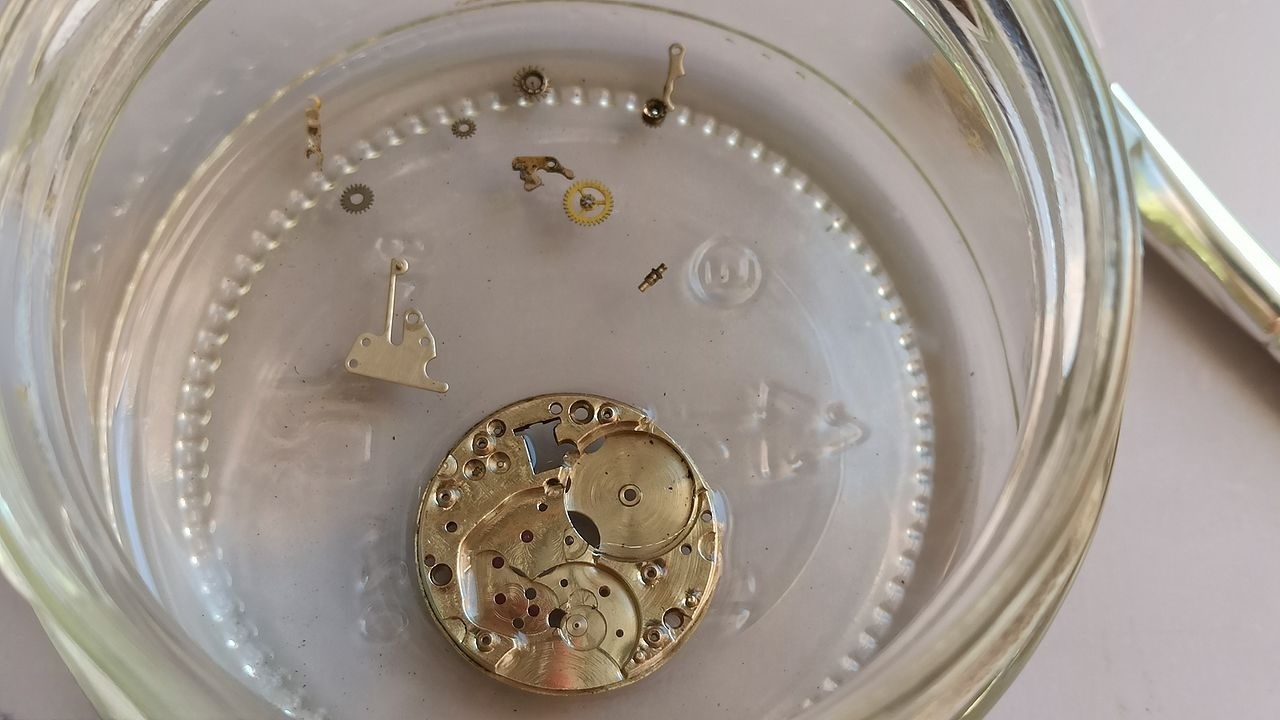
The stem release button had also seized with old lubricant. It eventually freed in the cleaning solution and was recovered from the container.
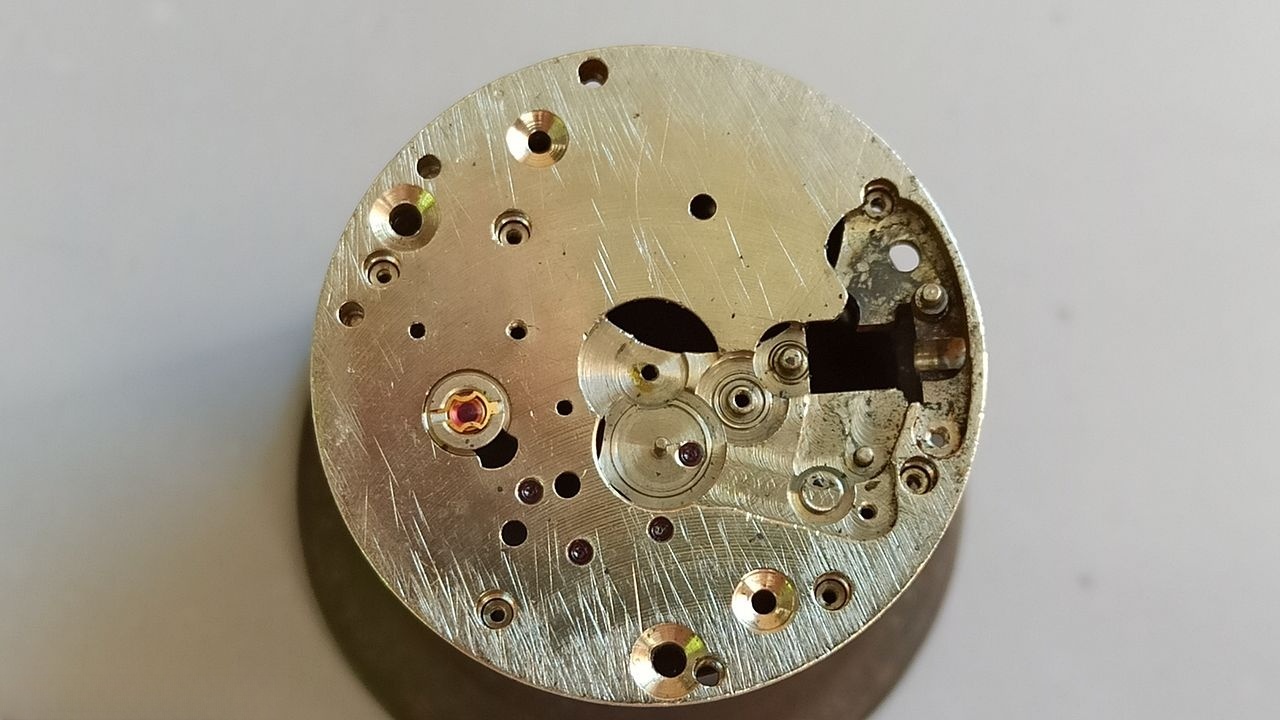
With the delicate components cleaned and drying, the main plate and heaviest contamination enter the benzine.
Mainspring Service
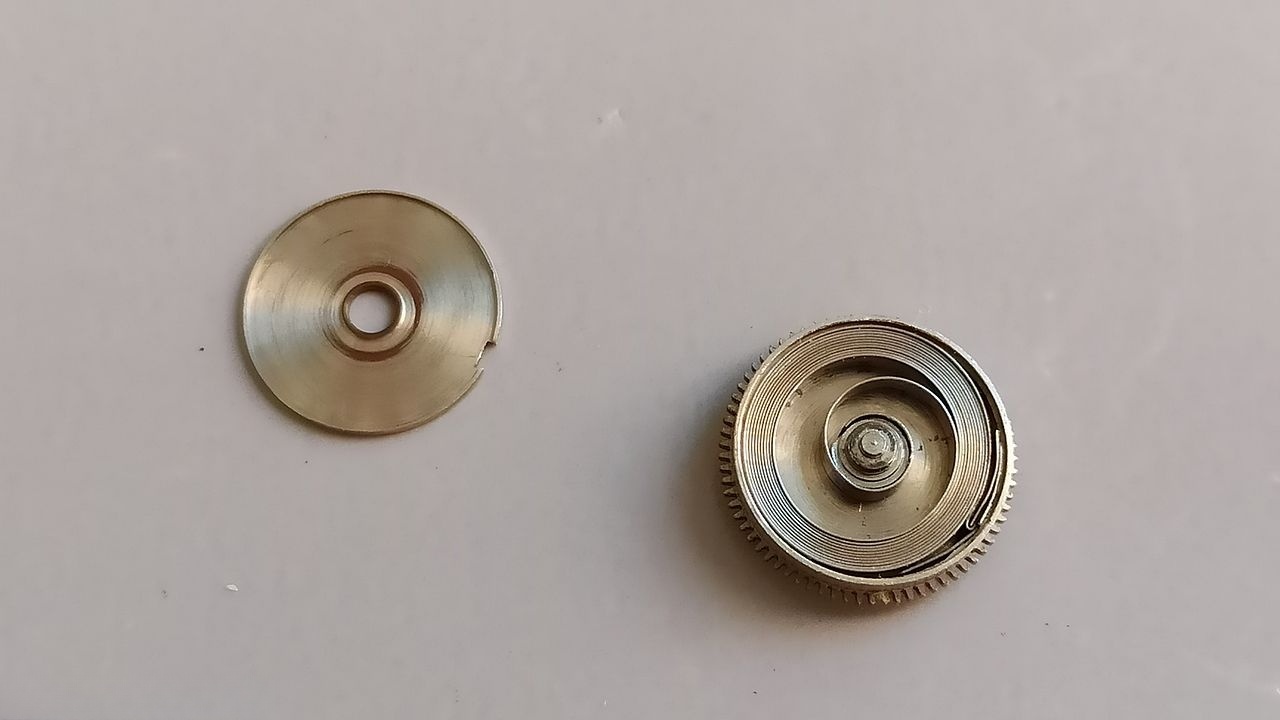
The barrel requires complete disassembly given the contamination level.
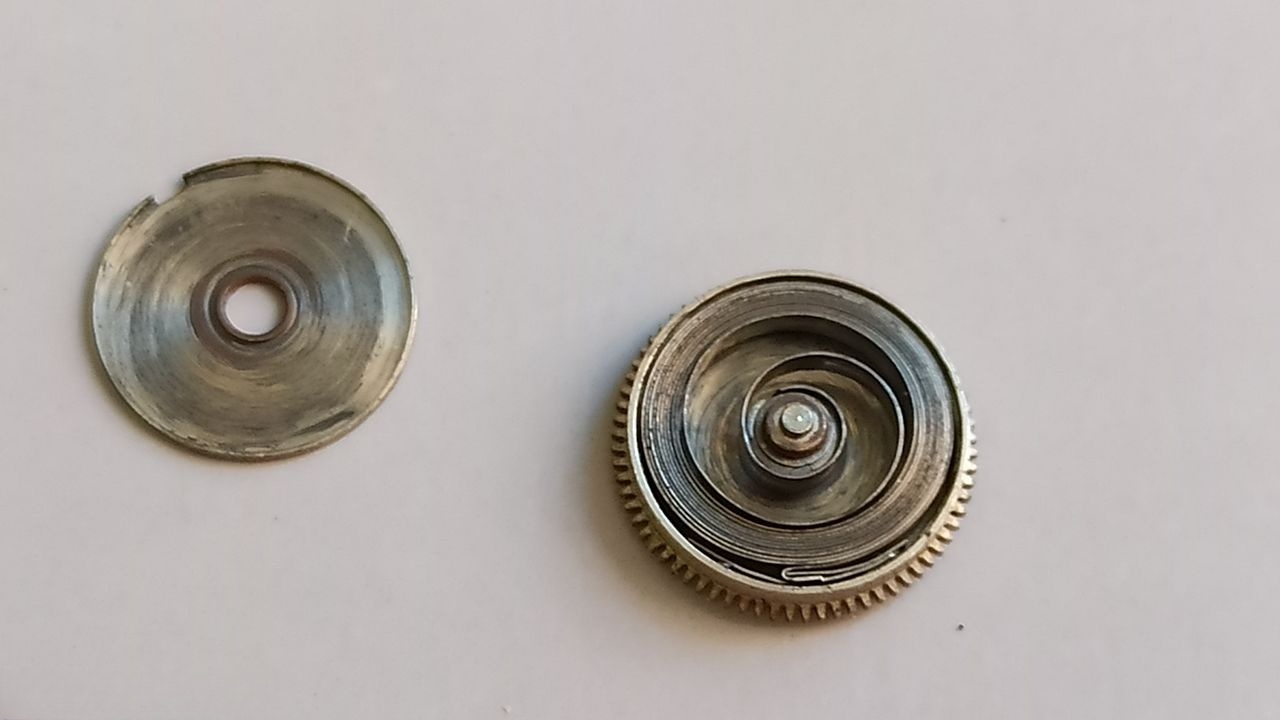
Examination shows evidence of previous repair: the mainspring hook had broken at some point, and the outer coil was wrapped around the bridle as a field repair. Functional, if inelegant.
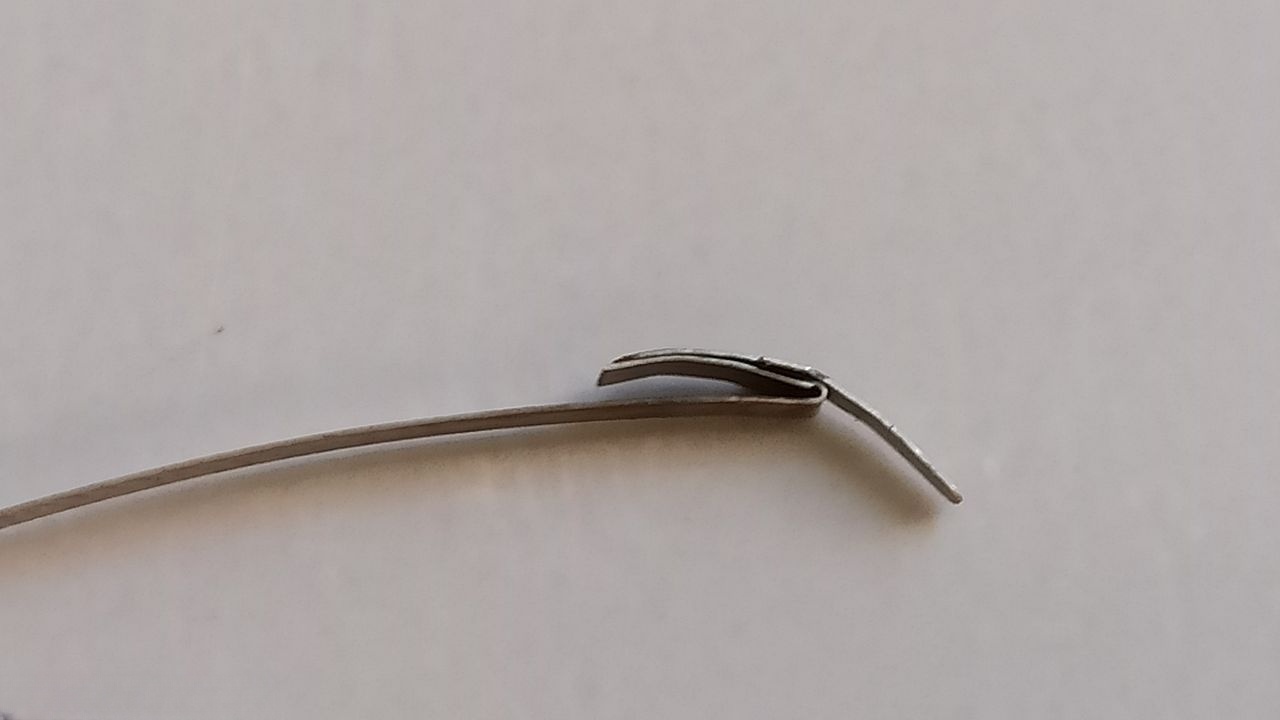
The mainspring requires both cleaning and straightening of deformed coils.
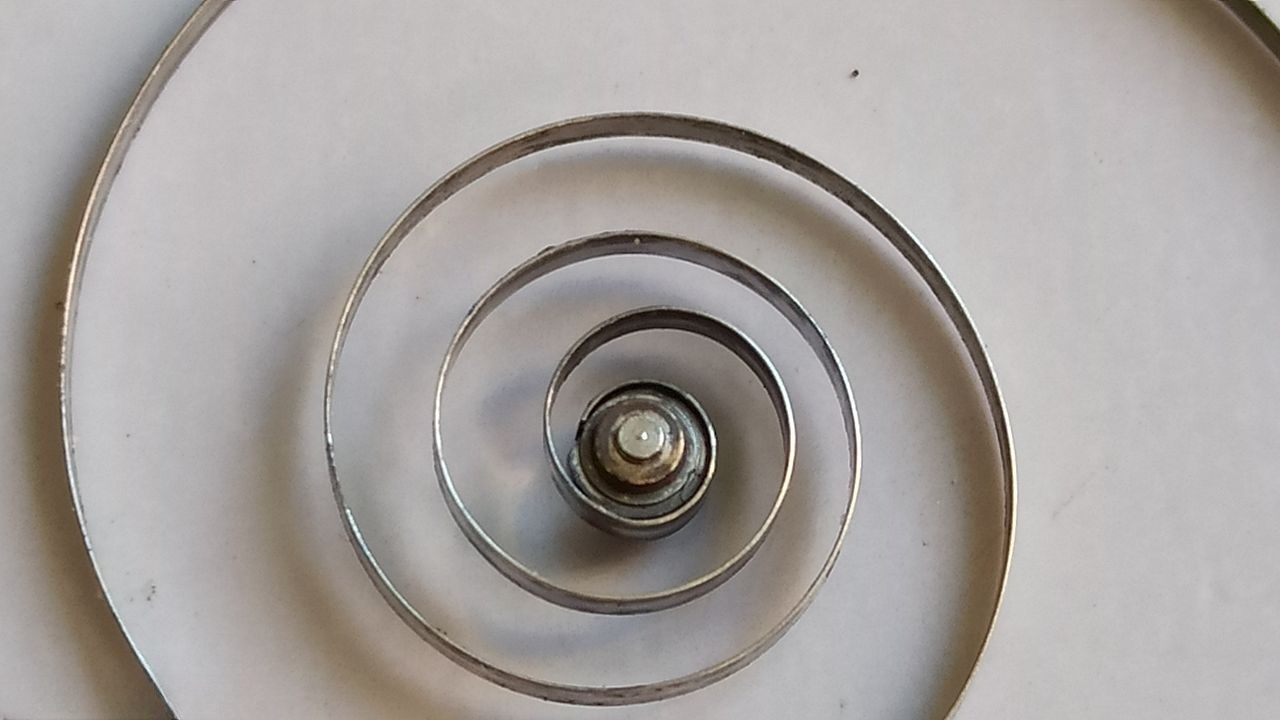
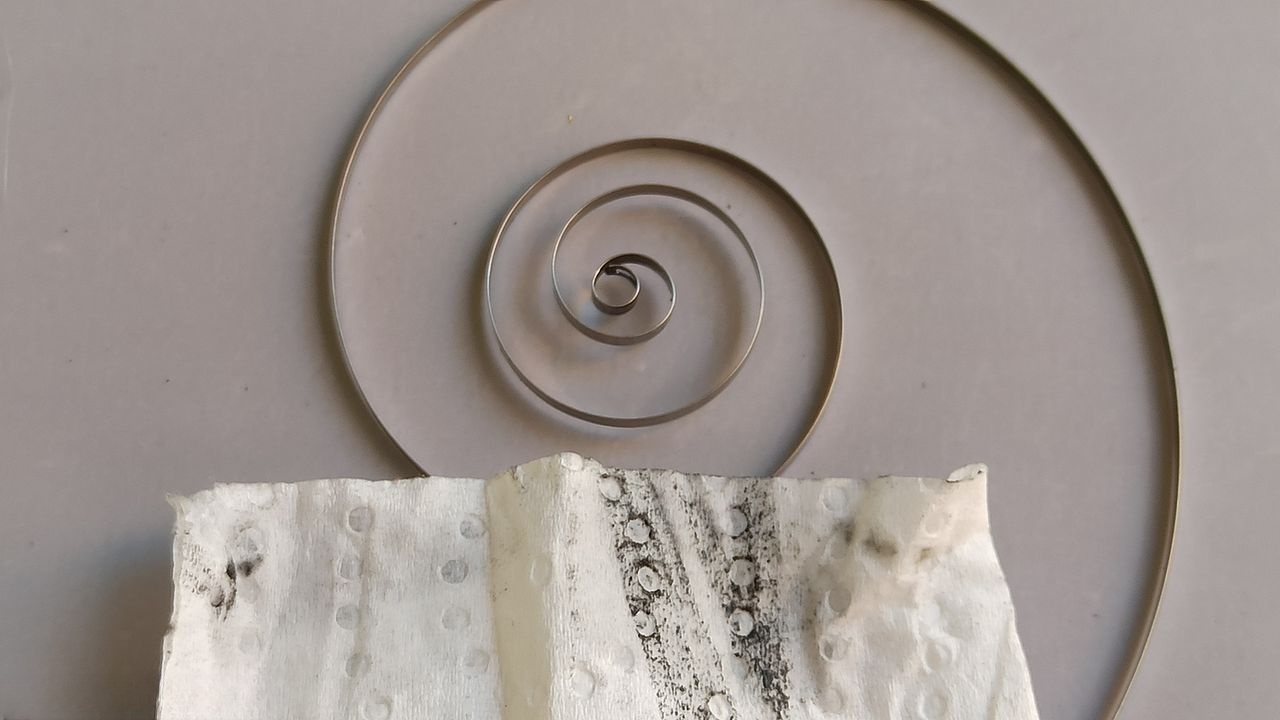
The barrel interior shows dark patches indicating metal wear from infrequent service. Fresh lubricant (MTs-N in this case) applies before the mainspring returns to the barrel.
Reassembly and Shock Jewel Service
With components cleaned, reassembly proceeds in standard fashion: gear train, barrel, bridges, keyless works. The balance receives a brief benzine bath before its shock jewel assemblies require attention.
The Incabloc system disassembles by releasing the lyre spring with a wooden tool (pegwood), then lifting the cap jewel assembly.
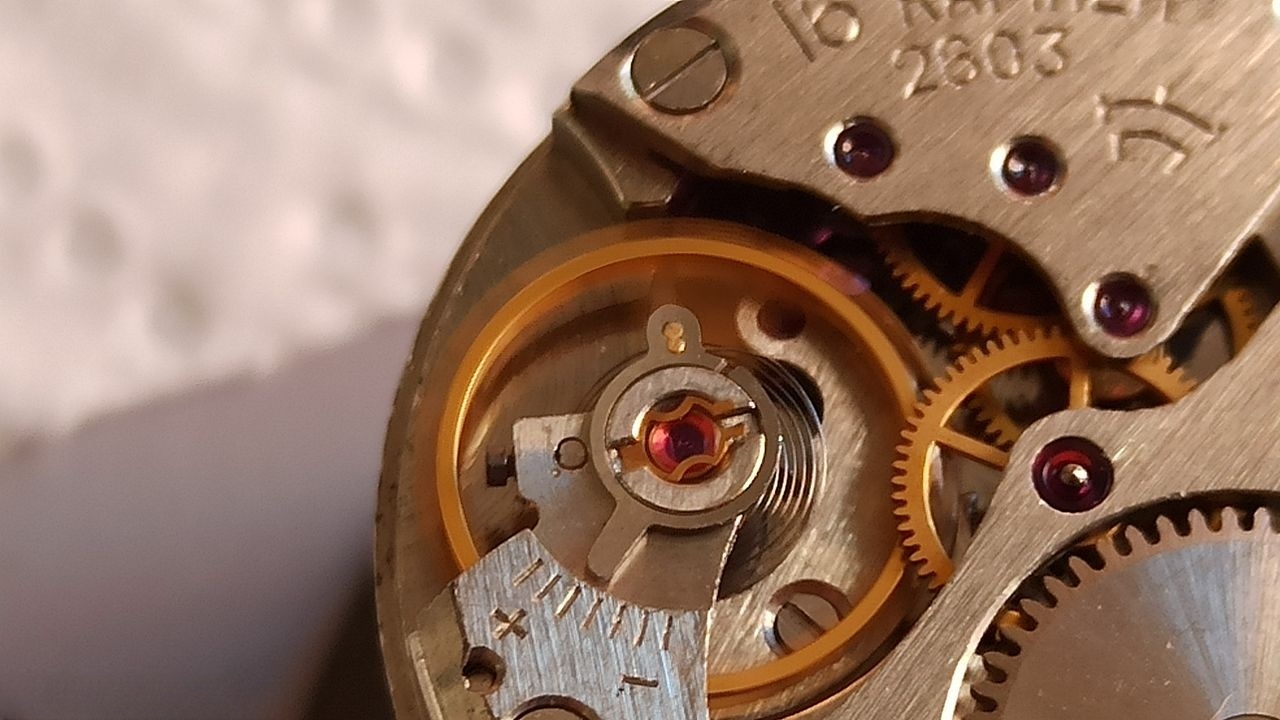
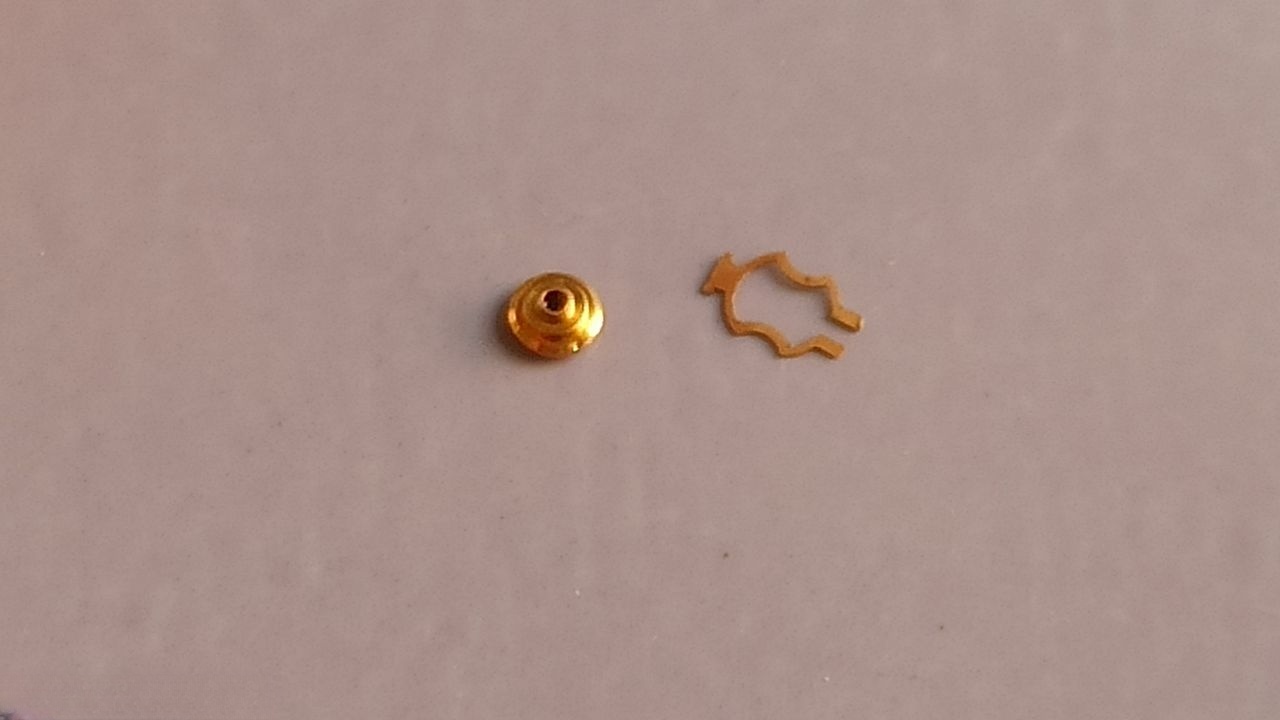
After drying, fresh lubricant applies to the cap jewel bearing surface before reassembly. The process repeats for the opposite shock jewel.
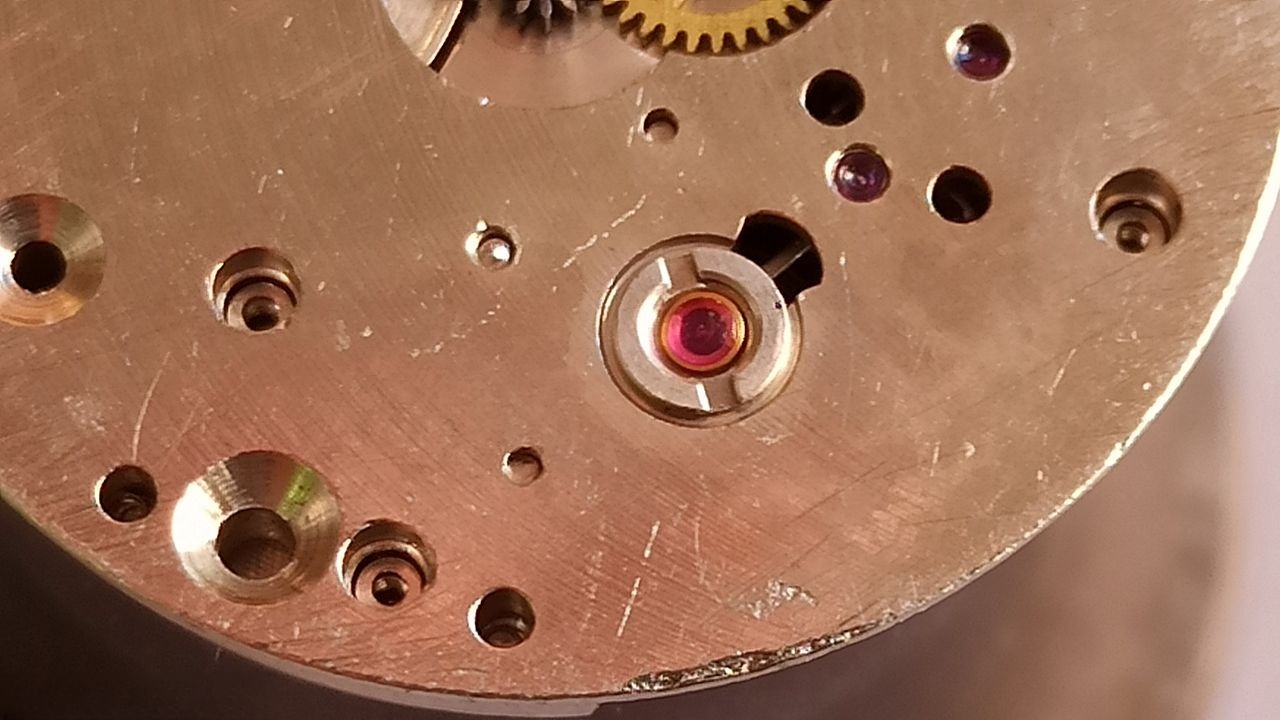
Dial and Final Assembly
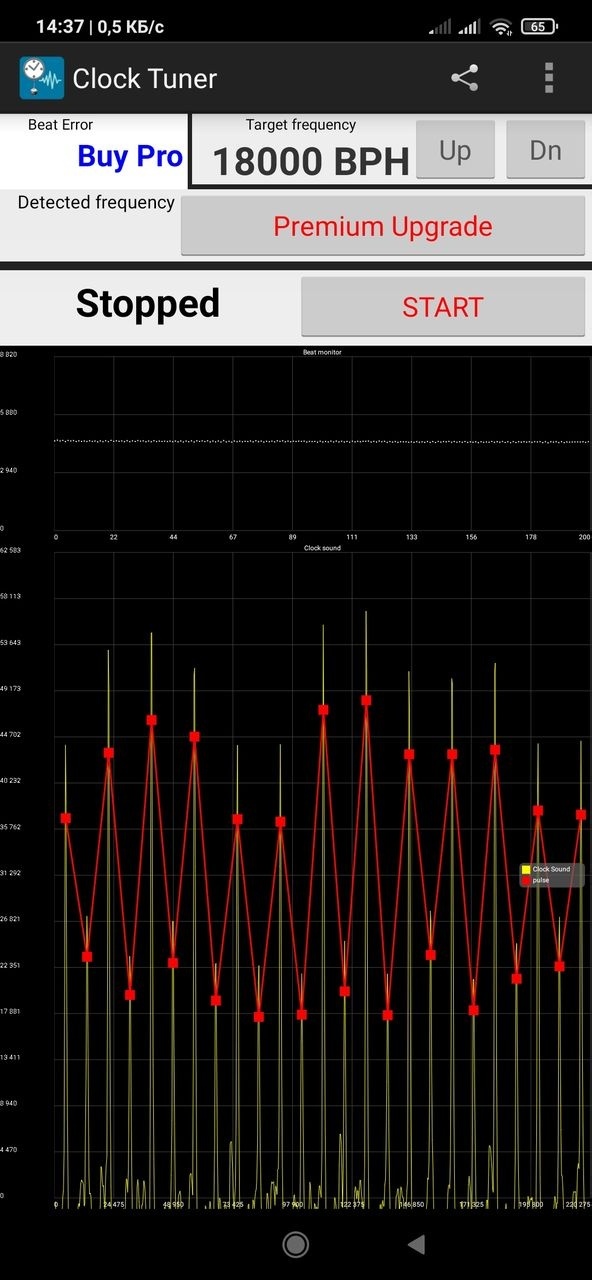
The balance now beats steadily. Attention turns to the dial. The original, long exposed to moisture, proved unrecoverable despite cleaning attempts.
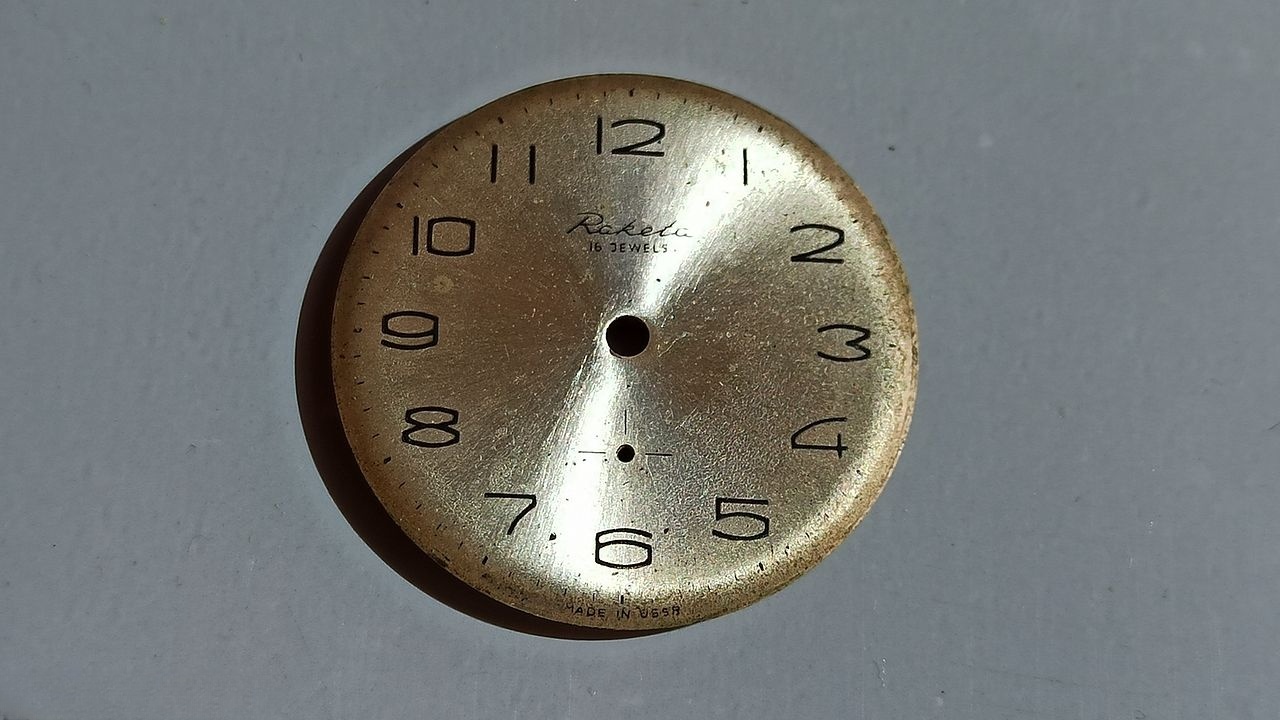
A donor dial from stock — slightly yellowed with age and minor enamel chips at the edges — provides a visually superior alternative.
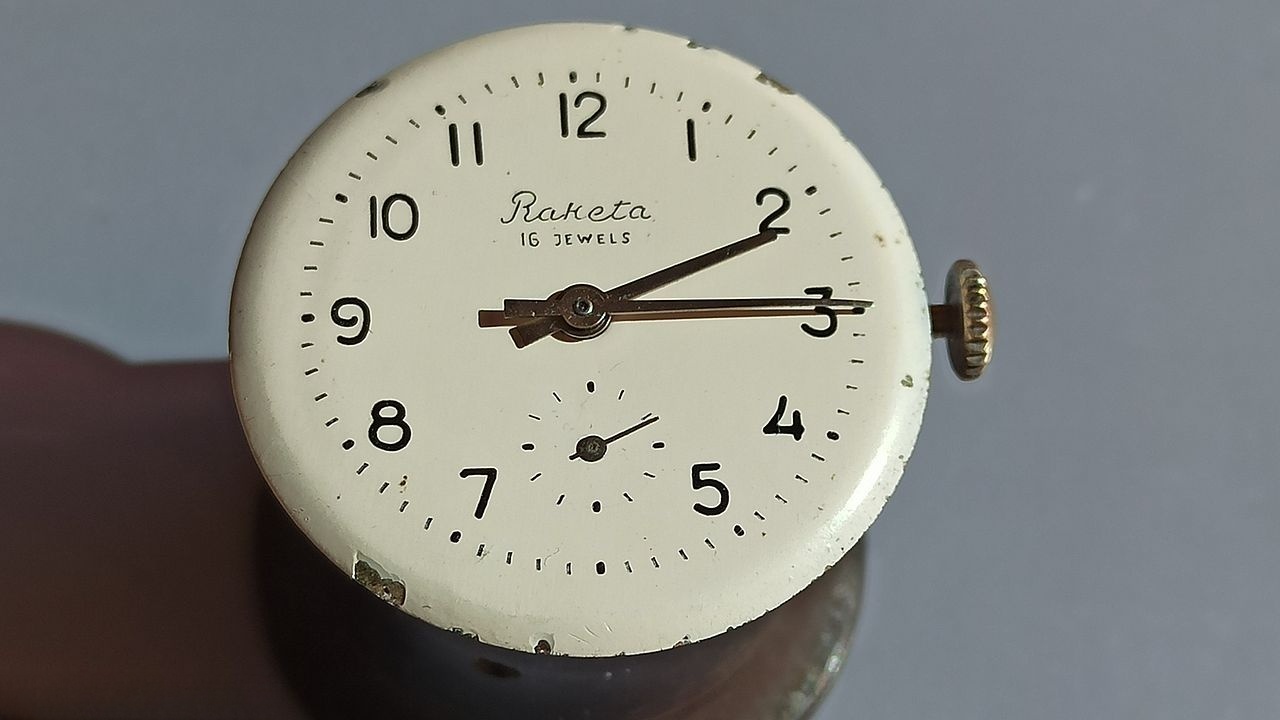
The case and crystal receive cleaning and polishing before final assembly.
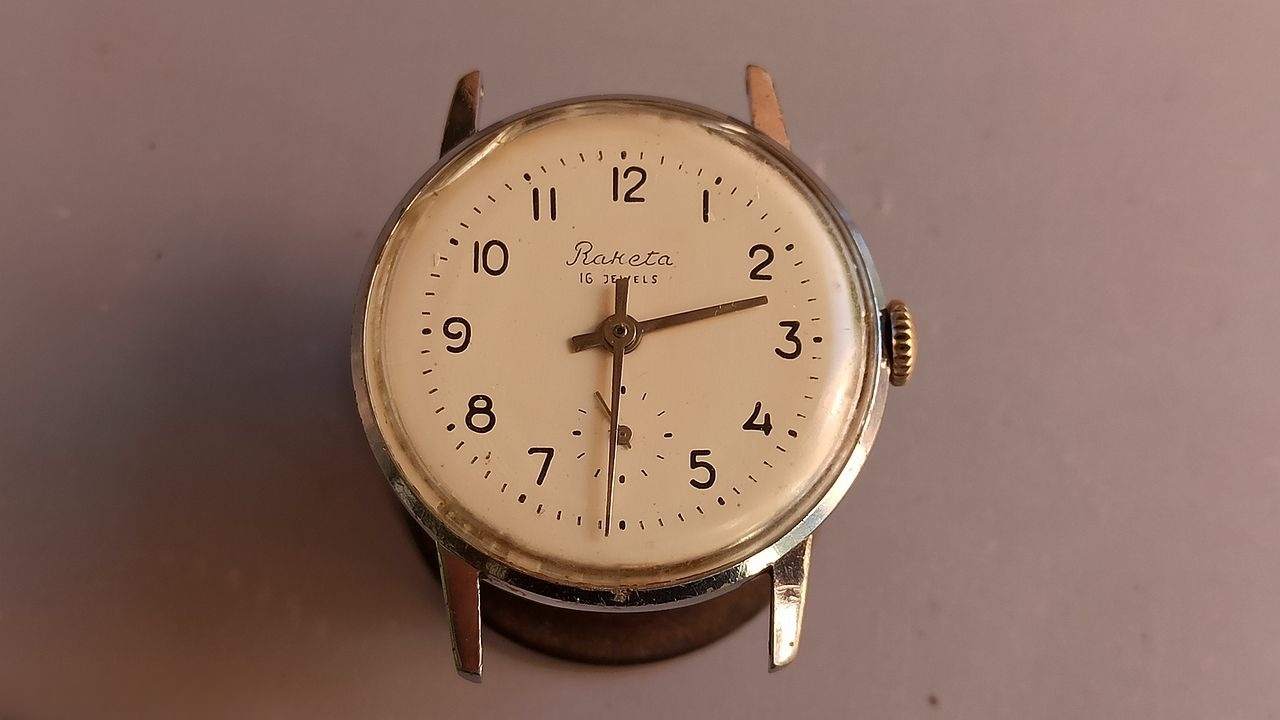
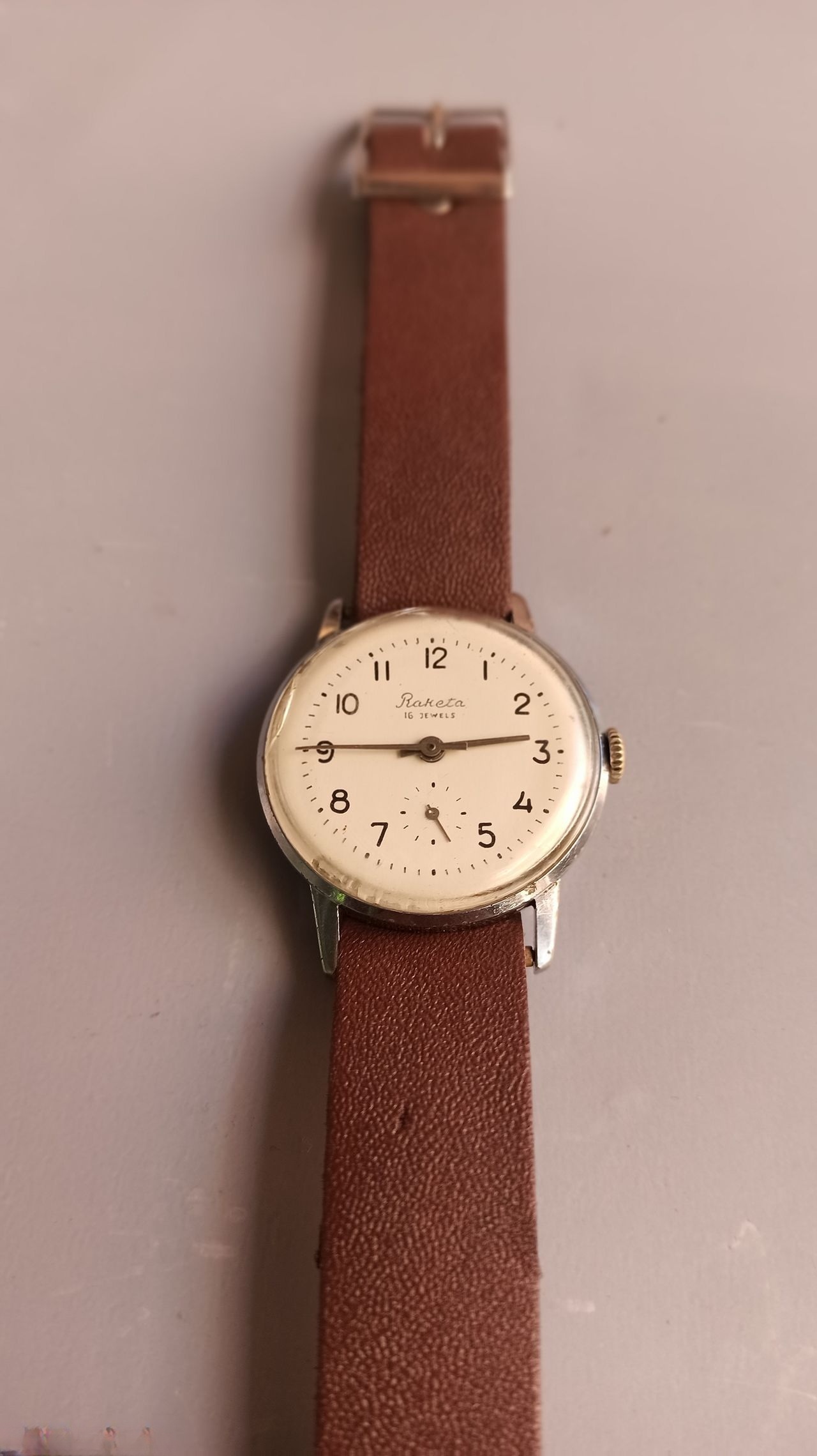
A new-old-stock leather strap completes the restoration authentically.
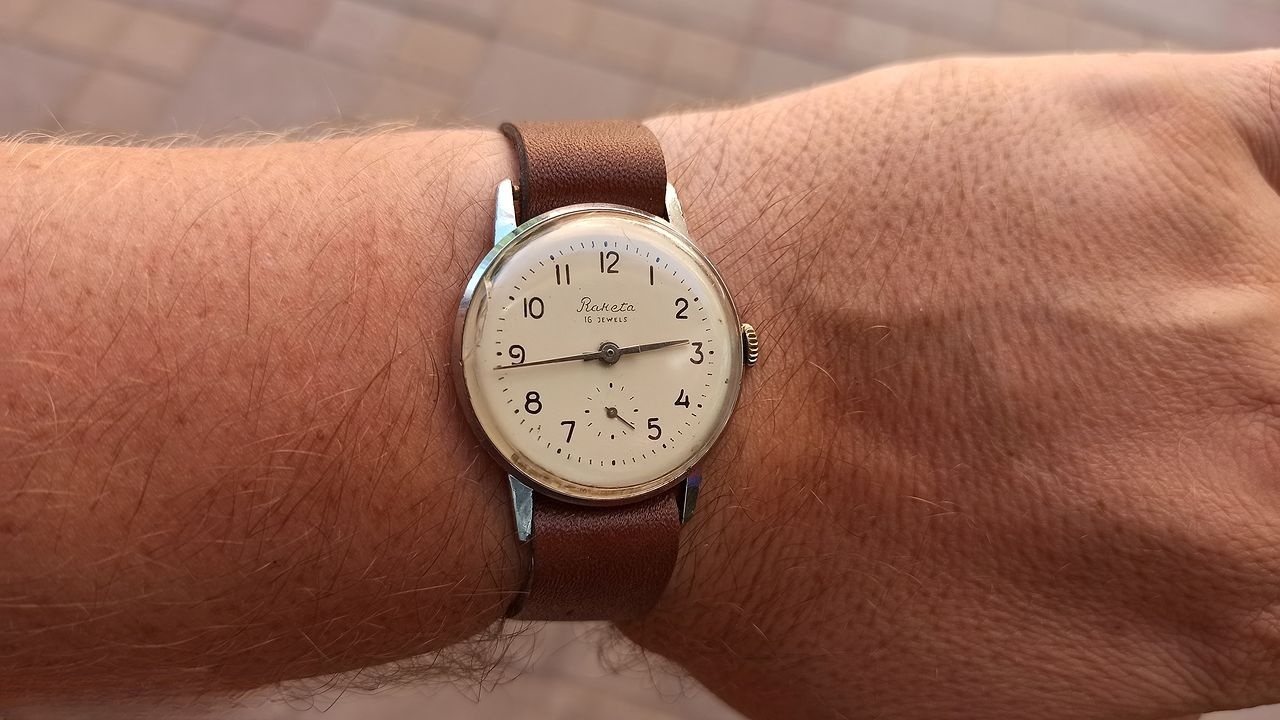
The Evidence of Neglect
The cleaning solution after servicing this single watch provides stark evidence of why regular maintenance matters for mechanical timepieces. Fresh benzine entered the container; this residue remained.
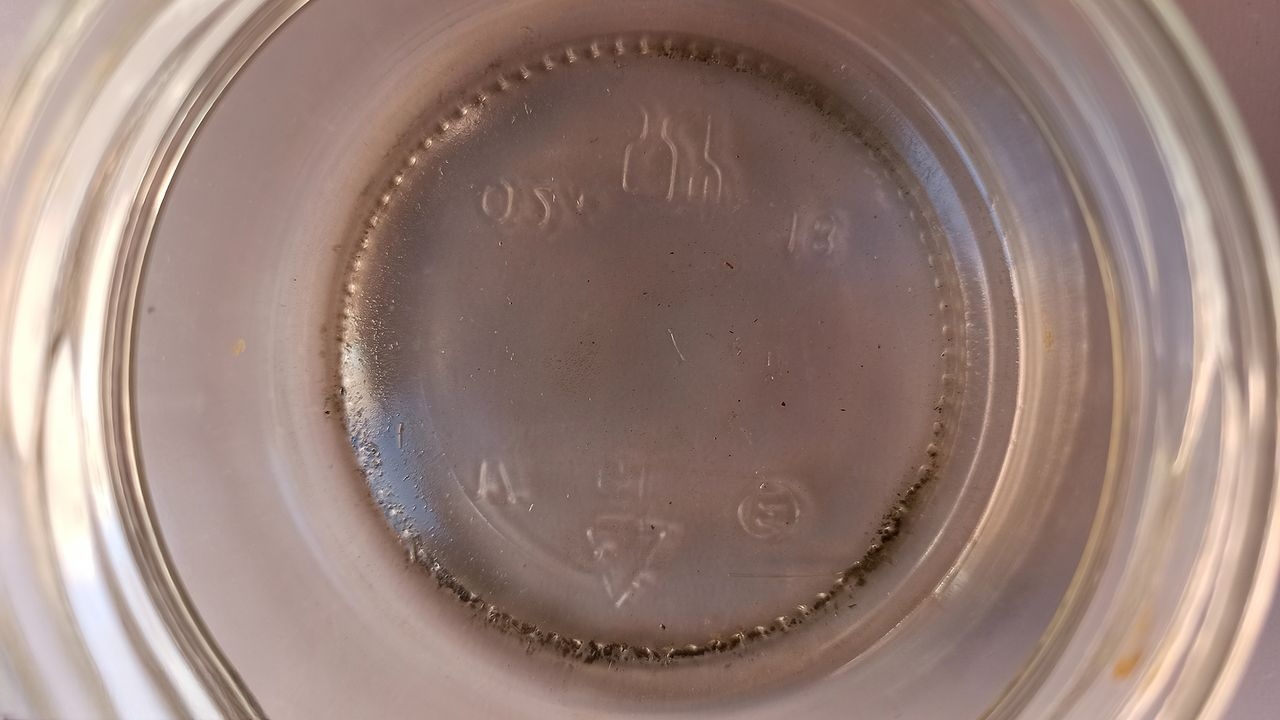
Regular service prevents this accumulation. Without it, lubricants degrade to adhesive contamination, accelerating wear on every bearing surface. This watch survived despite decades of neglect; not all do.
Observations
The caliber 2603 represents a transitional moment in Soviet watchmaking — the venerable K-26 architecture finally receiving modern shock protection. As detailed in our Raketa 2603 caliber history, the Petrodvorets factory version added the center wheel jewel bearing that earlier variants lacked. These movements appear frequently in vintage Soviet watch collections, often still running despite decades without service. Their survival rate speaks to fundamental mechanical soundness.
For those seeking subsidiary seconds in a new watch, current Vostok production offers this feature in more modern calibers. But for enthusiasts of vintage Soviet movements, the 2603 provides an accessible entry point to K-26 family service with the added interest of early shock protection systems.
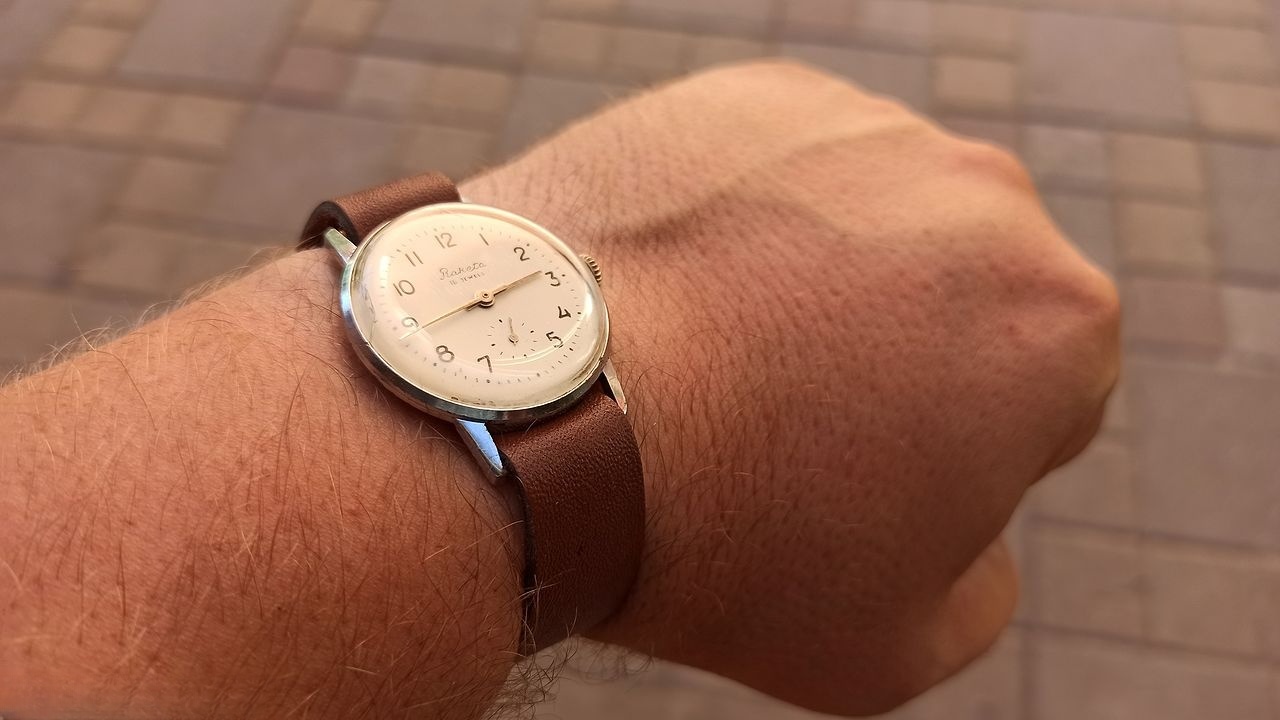
The crystal deserves eventual replacement; learning to press new crystals remains a future project. For now, the polished original serves adequately for a watch returned to daily wearability after half a century of neglect.
Related Reading
For more on the Raketa 2603 and its place in Soviet horological history:
The Raketa Caliber 2603: A Transitional Soviet Movement Between Pobeda and Modern Raketa — Complete historical context, the evolution from K-26 through 2602 to 2603, comparison of factory variants, and the technical improvements that distinguished each generation.
Comments
Write a comment